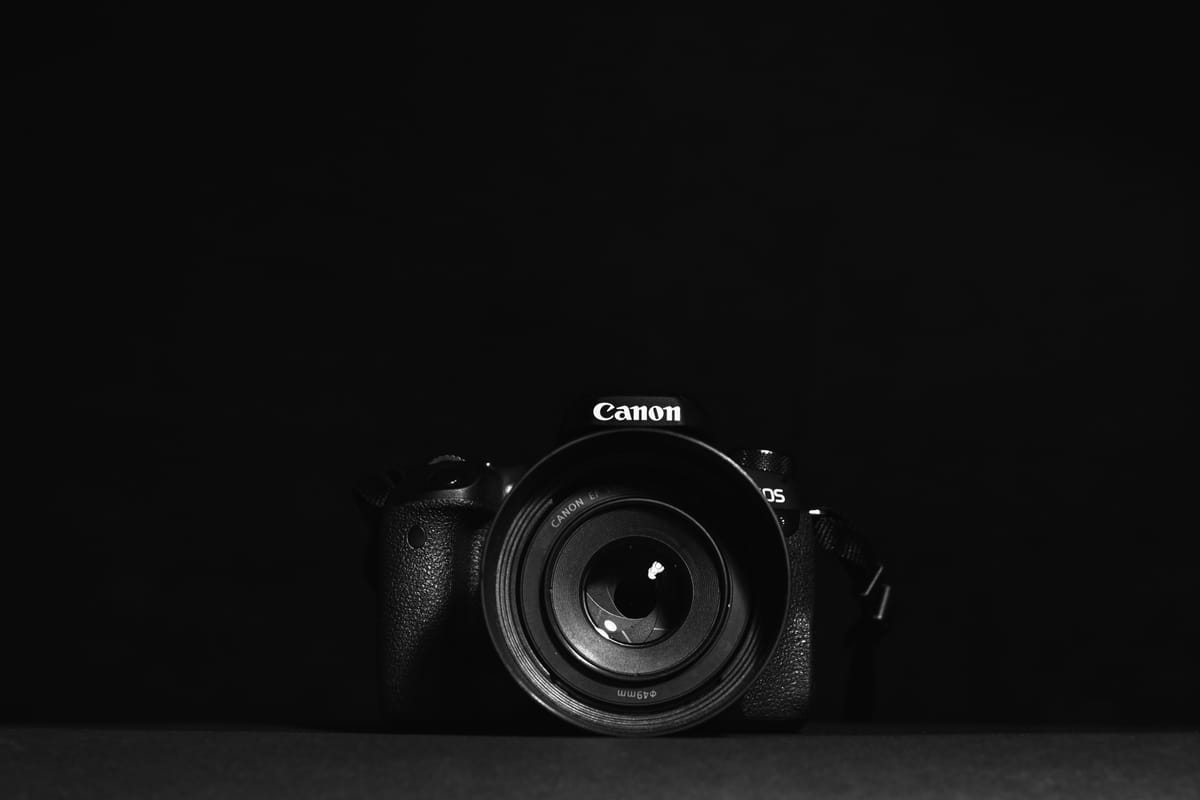


Canon is marking the 30th anniversary of its PowerShot camera line, a milestone that underscores the lasting impact compact cameras have had on digital photography, video creation, and everyday storytelling. First introduced in 1996, PowerShot cameras helped define what accessible, consumer-friendly digital imaging could look like long before smartphones became the default camera for most people.
The anniversary arrives at a moment when compact cameras occupy a more specialized role, yet remain influential in shaping how creators think about portability, ease of use, and image quality.
How PowerShot Changed Digital Imaging
When Canon launched the original PowerShot, digital photography was still in its early stages. Early adopters were often professionals or hobbyists willing to navigate complex systems and high price points. PowerShot cameras offered something different: a streamlined, all-in-one device that delivered reliable image quality without requiring interchangeable lenses or extensive technical knowledge.
Over time, the PowerShot line evolved rapidly, introducing higher-resolution sensors, improved autofocus, optical zoom lenses, and eventually video recording capabilities. These cameras became staples for travelers, journalists, educators, and creators who needed dependable results in a compact form factor.
The Bridge Between Still Photography and Video
While PowerShot cameras are often remembered for still photography, their role in the evolution of video should not be overlooked. As video features improved, compact cameras became a gateway for aspiring filmmakers and content creators experimenting with motion for the first time.
Models like the PowerShot G series offered manual controls, strong low-light performance, and respectable video quality at a time when smartphones were still limited. For many creators, these cameras served as an accessible entry point into video production, helping build skills that later translated to larger cinema and mirrorless systems.
Compact Cameras in a Smartphone World
The rise of smartphone photography dramatically changed the camera market, pushing many manufacturers to rethink or retire compact camera lines. Yet PowerShot has endured by shifting focus toward higher-end use cases, including enthusiast photography, vlogging, and professional backup cameras.
Recent PowerShot models emphasize features that smartphones still struggle to match consistently, such as optical zoom, larger sensors, physical controls, and dedicated audio and video capabilities. For creators, this reinforces the idea that compact cameras are no longer general-purpose devices, but specialized tools designed for specific workflows.
Why PowerShot Still Matters to Creators
The PowerShot legacy is closely tied to accessibility. These cameras lowered the barrier to entry for digital creation, making it possible for more people to document stories, produce videos, and learn visual storytelling without investing in complex gear.
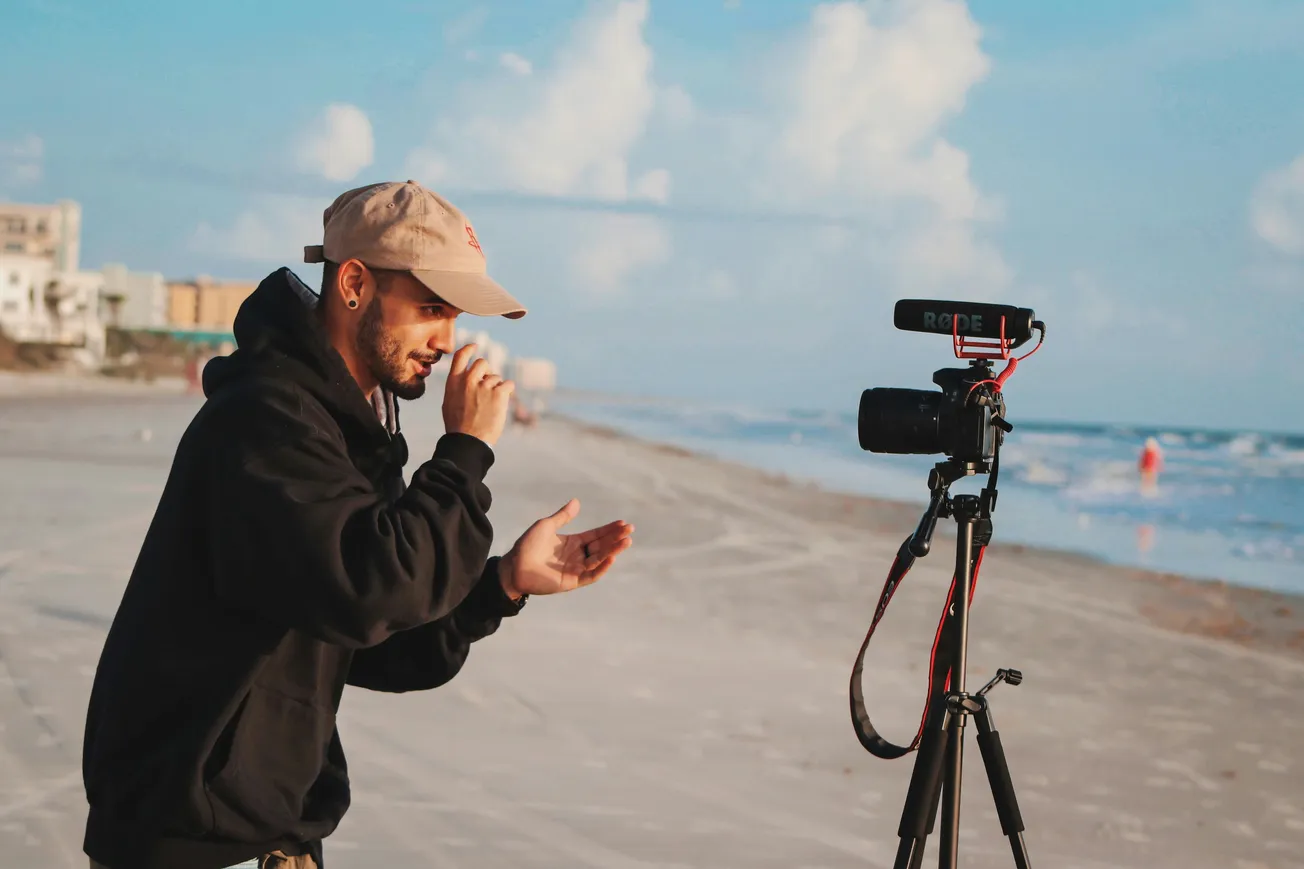
That philosophy continues to resonate in today’s creator economy. As podcasters, YouTubers, and small teams build content across platforms, the demand for simple, reliable tools remains strong. Compact cameras like PowerShot models often serve as secondary angles, travel cameras, or dedicated video rigs where portability and speed matter more than modularity.
A Broader Industry Reflection
Canon’s 30-year PowerShot milestone also reflects a broader truth about media technology: even as formats evolve, foundational design ideas persist. Ease of use, portability, and creative flexibility remain central to how tools are adopted, regardless of whether the final output is a photograph, a vlog, or a branded video.
For video and podcast creators, the PowerShot story is a reminder that innovation is not always about adding complexity. Often, it is about removing friction and enabling more people to tell stories with confidence.
Looking Ahead
As Canon looks beyond the PowerShot anniversary, the future of compact cameras will likely continue to focus on niche but meaningful creator needs. Whether as high-quality vlogging tools, travel-friendly production cameras, or reliable backups, compact cameras still play a role in modern content workflows.
Thirty years after its debut, PowerShot remains a symbol of how thoughtful design can shape an entire generation of creators — and how even small cameras can have a big impact on visual storytelling.
More about Canon:
 Staff Report
 Staff Report
 Staff Report