
Roger Deakins is one of cinema’s most respected cinematographers, known for defining visual storytelling across decades of films from No Country for Old Men to Blade Runner 2049 and 1917.
While his recent reflections stress concern for the craft’s future, they also offer foundational lessons on camera shots and composition that every creator—whether shooting narrative, documentary, or branded content—can apply today.
Camera Shots Are More Than Aesthetics; They Serve Emotion
Deakins emphasizes that cinematography is not just “making things look pretty”; it’s about communicating emotion and narrative through how a shot is composed and lit. He asks fundamental questions like, “How can I tell the story visually in the frame?” — underscoring that every shot should serve the story rather than call attention to itself.
For creators, this means planning shots with intention. Before choosing a close-up or wide shot, consider what emotion or information you want the audience to feel: intimacy, vulnerability, isolation, or context. Shots aren’t decorative—they’re narrative tools.
Use Light and Shadow to Shape a Scene
Deakins’ work is celebrated for its natural, painterly use of light—preferring scenarios where light reveals meaning rather than distracts from it. While digital cameras make exposure easier, Deakins warns against flat lighting and over-dependence on post-production fixes, because that can dull the emotional impact of a shot.
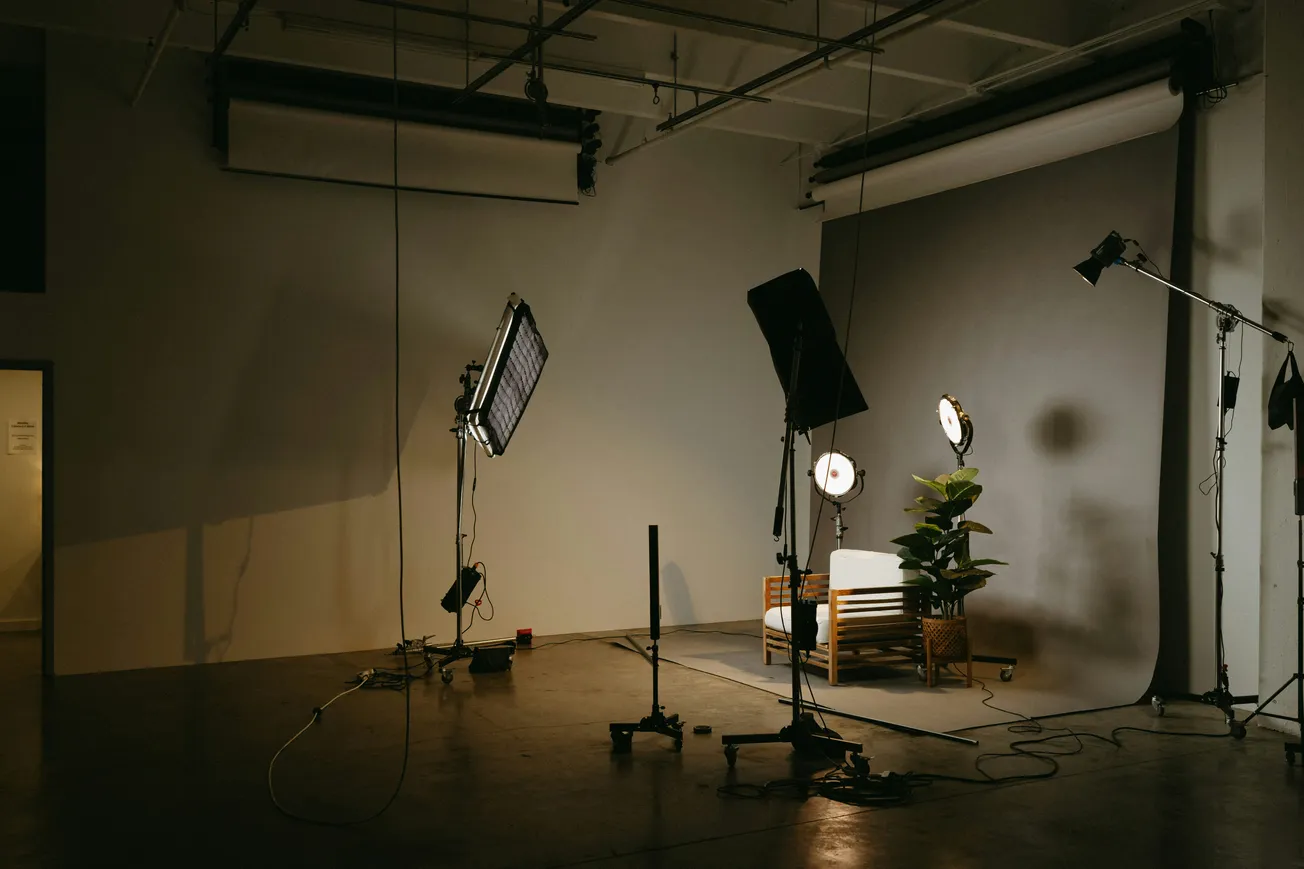
As a practical takeaway, creators should think about lighting as a storytelling element. Hard shadows can heighten drama; softer fill light can create warmth or calm. Even with minimal gear, understanding how light recalls form and tone in a frame elevates the quality of each shot.
Framing and Composition Shape What the Audience Sees
Deakins values simplicity and precision in framing—the idea that shots shouldn’t be flashy for their own sake. Hallmarks of his style include careful placement of subjects in the frame and the use of natural elements (windows, doorways, landscapes) to create visual depth and focus.
For example:
- Master shots (wide shots showing full scene context) establish geography and relationships.
- Close-ups draw the viewer into a character’s internal experience.
- Medium shots balance character and environment.
Thoughtful composition helps guide the audience’s eye and supports storytelling without overwhelming. Even simple rules like the rule of thirds or using leading lines can improve shot design dramatically.
Camera Movement Should Have Purpose
Deakins prefers precision and purpose in camera movement. He has critiqued shots that move simply because technology allows it, suggesting that movement should only serve narrative or emotional functions.
This lesson is valuable for creators working with stabilizers, gimbals, or drones: ask why the camera is moving in a scene. Does a slow push-in heighten tension? Does a tracking shot follow a subject’s emotional journey? Avoid movement that distracts or feels ornamental.
Learn From the World Around You
One of Deakins’ most resounding points is that life experience enriches a creator’s visual storytelling palette. Shoots that reflect real human experiences—movement, light, texture, environment—often resonate more deeply than those confined to technical invention alone.
Creators should try shooting in varied environments, exploring how natural light shifts, or how different angles change emotional meaning. That kind of exploration builds visual intuition and opens up more expressive shot choices.
Balance Innovation With Craft Fundamentals
While innovation like drone shots and advanced digital tools opens new visual possibilities, Deakins cautions against relying on technology to substitute for thoughtful shot design. His preference leans toward decisions grounded in narrative need and visual clarity.
For creators, this means mastering basics—composition, lighting, lens choice, and movement—before layering on technology. A solid foundation ensures that tools support rather than overshadow the story.
Summary Takeaways for Creators:
- Plan shot types based on emotional and narrative intent.
- Use light and shadow deliberately to shape mood.
- Frame and compose with simplicity and clarity.
- Make camera movement purposeful.
- Draw inspiration from real life to inform visual decisions.
- Prioritize craft fundamentals over gimmicks.
Roger Deakins’ philosophy teaches that great camera shots aren’t just technical—they are expressive choices that deepen connection between the audience and the story being told. By embracing intention and simplicity, creators at every level can elevate the impact of their visuals.
More about filmmaking:
 Staff Report
 Staff Report
 Staff Report