
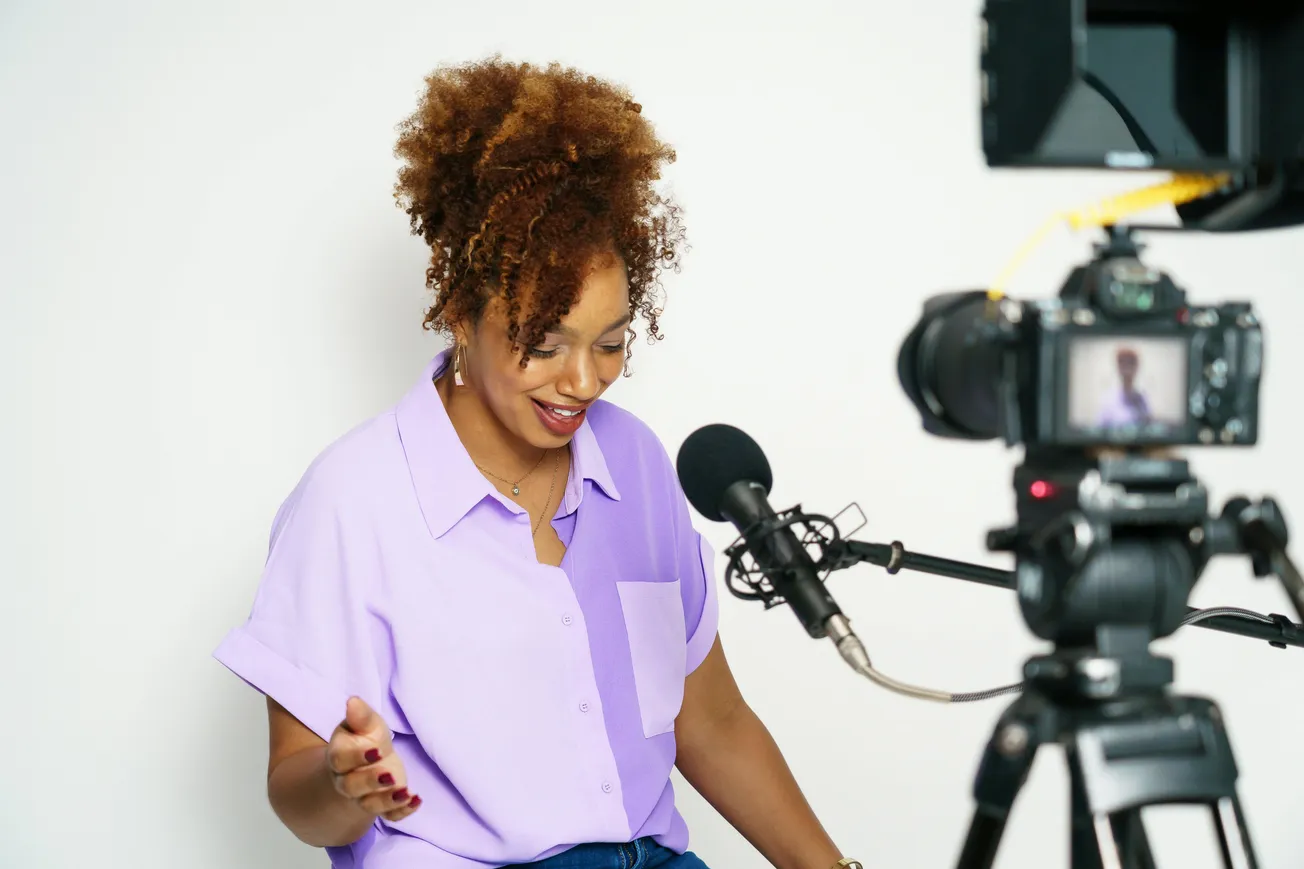
In the evolving landscape of media, podcasts have become a vital platform for Black creators to share unfiltered stories, preserve history, and drive social change. With the ability to bypass traditional media gatekeepers, these creators are using audio storytelling to center voices often excluded from mainstream narratives.
Podcasts like Resistance, The Stoop, Truth Be Told, and Black History Year offer nuanced discussions about racial equity, systemic injustice, and cultural identity. They blend personal storytelling with journalism, activism, and education—connecting listeners with lived experiences that challenge societal norms and inspire action.
Many Black podcasters use their platforms to uplift community voices, highlight grassroots movements, and explore policy issues through accessible, human-centered conversations. Episodes often feature organizers, scholars, and artists who are building change locally and nationally.
This medium's flexibility also allows creators to respond quickly to current events—whether it's police brutality, voting rights, or economic inequality. Because podcasting is inherently intimate, it builds trust and empathy, encouraging deeper listener engagement with complex topics.
Importantly, many of these shows are produced independently or through Black-led studios, retaining ownership and creative control. This autonomy ensures authenticity and strengthens long-term impact.
As businesses and media platforms reflect on how to support justice and equity, amplifying and funding Black-created content is a clear, measurable action. These creators aren't just producing content—they're documenting culture, sparking conversations, and moving audiences from awareness to action.