Video podcasting is no longer a niche format. In 2026, it has become a mainstream content strategy for creators, brands, educators, and B2B teams looking to expand reach and deepen audience engagement. With major platforms investing heavily in video infrastructure, choosing the right video podcast platform now affects discoverability, monetization, and workflow efficiency.
Whether transitioning from audio-only podcasting or launching a show from scratch, the best platform depends on distribution goals, recording needs, and revenue strategy. Here is an updated look at leading video podcast platforms in 2026 and what sets each apart.
Comparing the Leading Video Podcast Platforms
Spotify for Creators: Best Free Video Podcast Hosting
Spotify continues to position itself as a major video podcast destination. Through Spotify for Creators, the platform offers free hosting and premium revenue tools for eligible creators. Video podcasts must meet specific technical requirements, typically including HD resolution and supported formats such as MP4.
Spotify’s strength lies in keeping video native within its app experience, allowing users to switch between audio-only and video seamlessly. However, video distribution remains largely confined to Spotify’s ecosystem. For creators focused on in-app engagement and subscription revenue, it remains a strong option.
YouTube: Best for Built-In Discovery and Live Streaming
YouTube remains the dominant platform for video podcast discovery in 2026. With billions of monthly users and increasingly podcast-friendly features, it offers free unlimited hosting, ad monetization, memberships, live streaming, and Shorts integration for clips.
YouTube excels at discoverability through search and algorithmic recommendations. It is especially strong for creators who want live audience interaction and ongoing audience growth. The trade-off is increased competition and the need for consistent thumbnail, SEO, and content optimization strategies.
Libsyn: Best for Cross-Platform Video Distribution
Libsyn has expanded its video capabilities to support distribution across multiple platforms, including YouTube and social media. It appeals to podcasters who want centralized hosting and automated distribution workflows.
While Libsyn does not offer built-in video recording tools, it provides reliability and long-standing experience in podcast hosting. Pricing tiers vary depending on storage and features, making it more suitable for established shows with consistent output.
Podbean: Best for Repurposing and Monetization Options
Podbean supports creators who want to convert video into audio podcasts and monetize through ads, premium subscriptions, and creator marketplaces. It works well for podcasters who begin on YouTube and want to expand into traditional podcast apps.
Video hosting options are available, but distribution flexibility can be more limited compared to YouTube-first strategies. Advanced monetization tools typically require upgraded plans.
Zencastr: Best for Remote Multi-Guest Video Recording
Zencastr remains a popular choice for remote video podcast recording. It supports multi-guest sessions, separate audio and video tracks, AI-powered editing, and automated clip generation for social media.
For interview-driven shows and distributed teams, Zencastr simplifies production. However, it is primarily a recording and production platform rather than a distribution hub, so creators will still need hosting elsewhere. Pricing varies by resolution and feature set.
CoHost and Emerging B2B Tools
Platforms like CoHost continue developing video-forward features aimed at business podcasters. Video distribution tools, automated clip scheduling, and audio extraction features are becoming standard. These tools are particularly relevant for B2B marketing teams repurposing long-form video podcasts into short-form content for LinkedIn and other professional platforms.
Many emerging tools are still refining video workflows, so creators should evaluate feature maturity before committing.
Essential Equipment for Video Podcasting in 2026
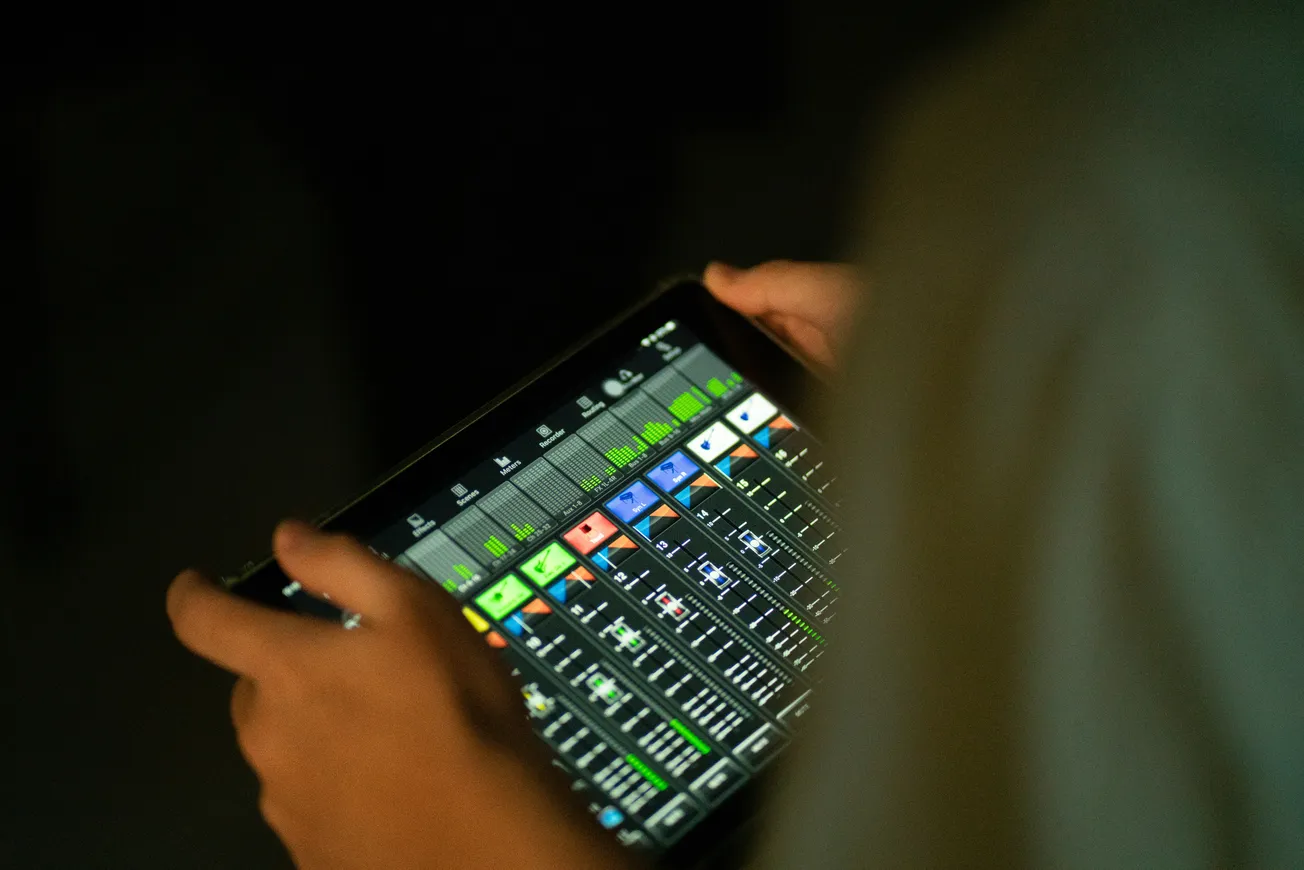
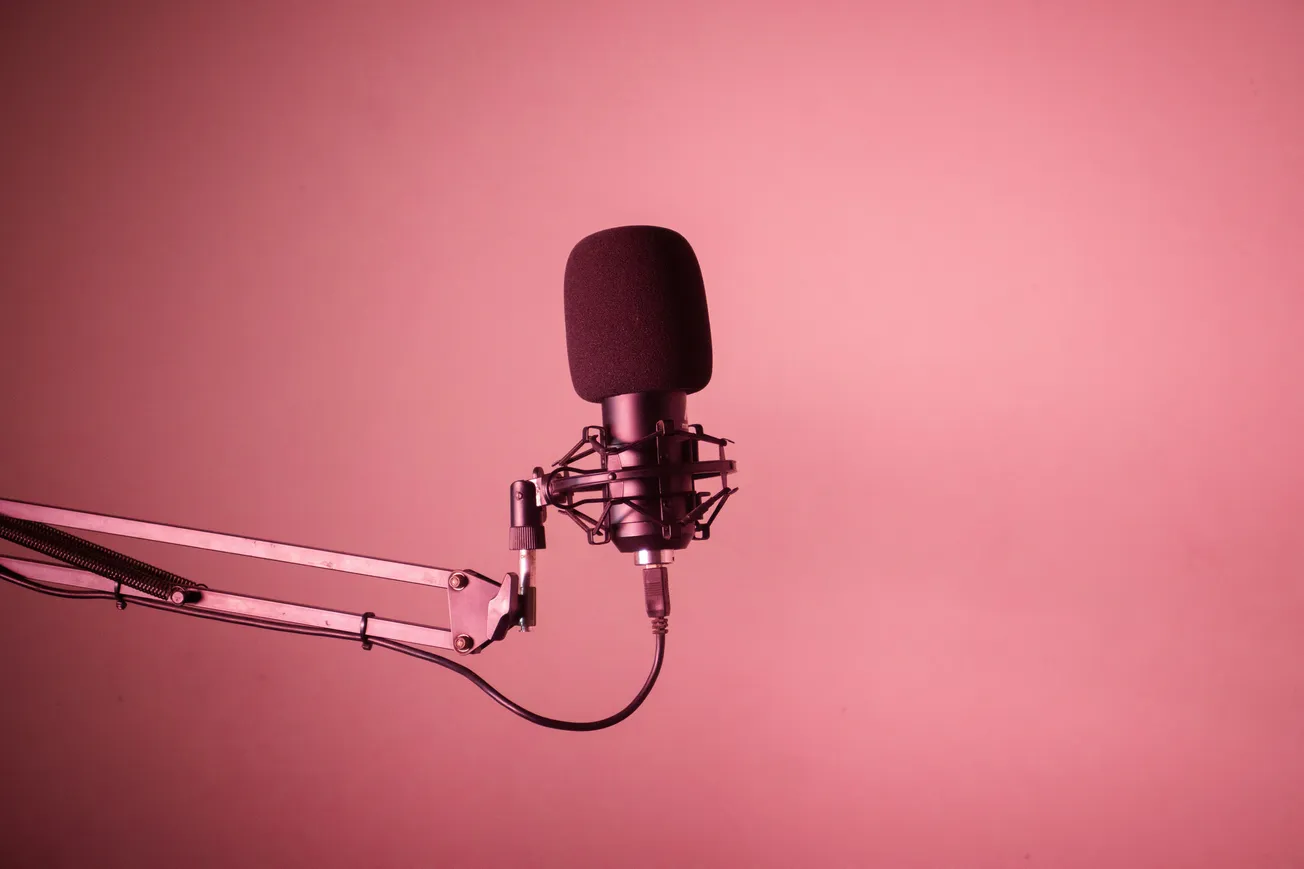
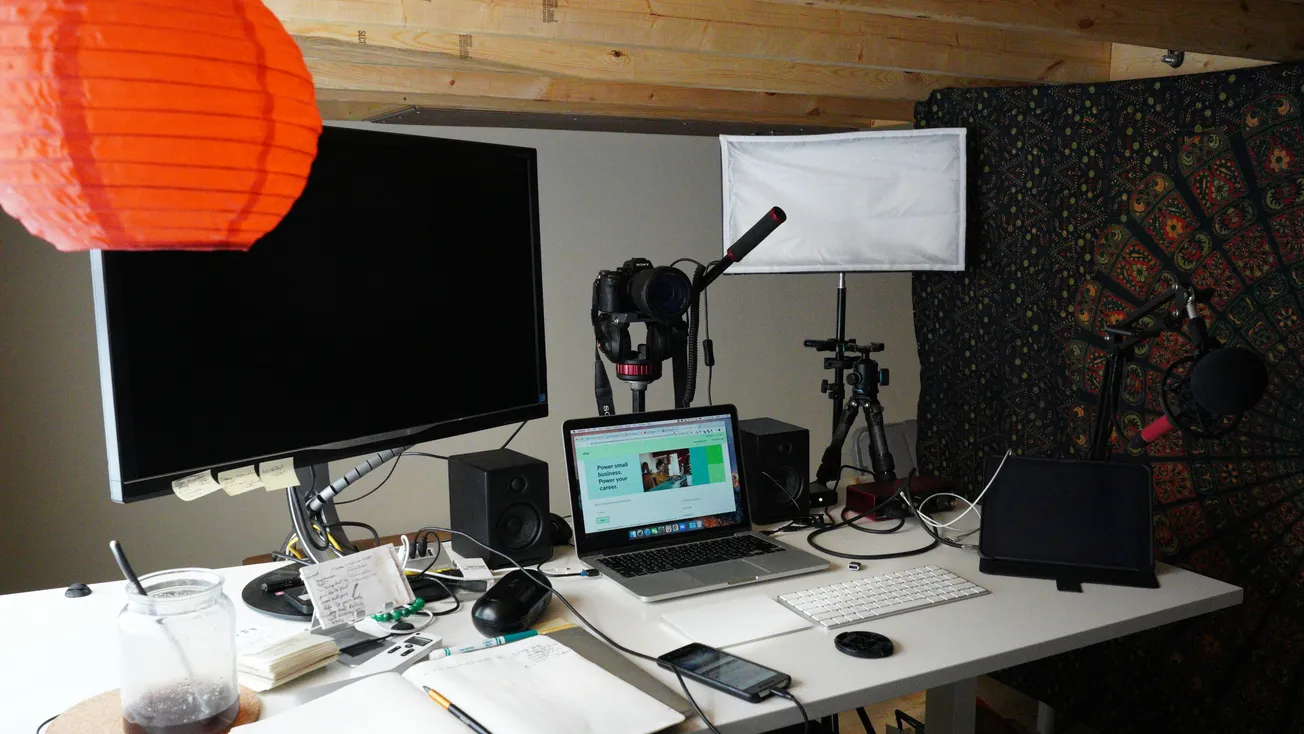
Platform choice matters, but production quality still drives audience retention. A reliable USB or XLR microphone remains the most important investment. Audio interfaces provide more control for professional setups.
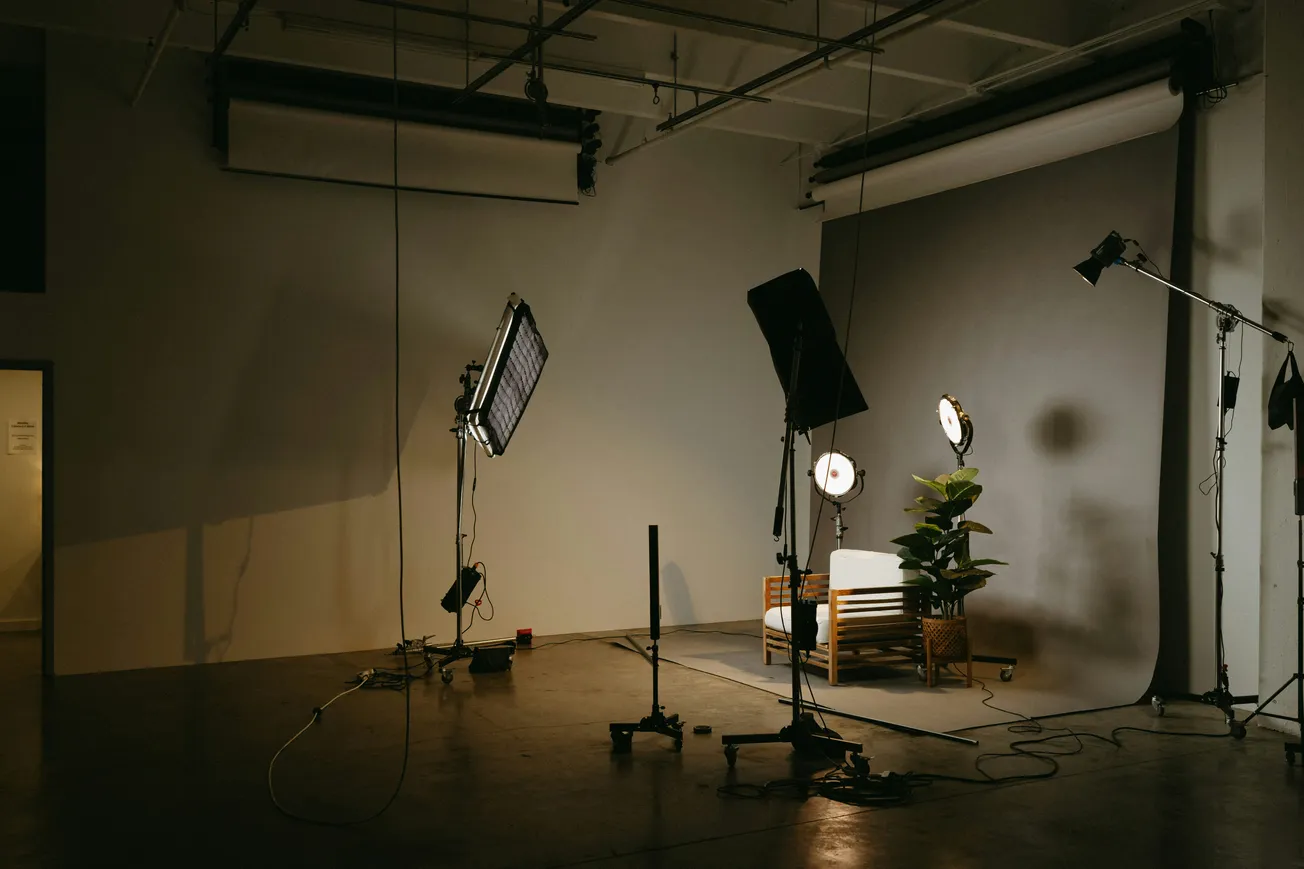
Camera options range from high-end smartphones and 4K webcams to mirrorless and DSLR cameras for greater depth and color control. Good lighting—often from LED panel kits—and simple acoustic treatment dramatically improve production value.
A quiet, visually clean recording space enhances credibility, especially for business and educational podcasts. Even minimal upgrades in lighting and sound treatment can significantly elevate perceived professionalism.
Conclusion
Video podcasting in 2026 offers more distribution flexibility and monetization options than ever before. Spotify and YouTube dominate free hosting and audience reach, while Libsyn and Podbean support broader distribution strategies. Zencastr and similar tools simplify remote recording, and emerging B2B platforms are refining repurposing workflows.
The right choice depends on audience behavior, revenue goals, and production style. By aligning platform capabilities with workflow needs and investing in core equipment, creators and businesses can build scalable video podcast strategies that drive engagement and long-term growth.
More about video podcasts:
 Staff Report
 Staff Report
 Staff Report