
Australia this week became the first nation in the world to enforce a nationwide ban on social media use for children under 16 — a regulatory milestone that could ripple across global internet governance.
What the New Law Requires
Under the Online Safety Amendment (Social Media Minimum Age) Act 2024, which officially takes effect December 10, 2025, social‑media platforms such as Instagram, TikTok, YouTube, Facebook, Snapchat, X (formerly Twitter), Reddit, Twitch, Kick, and other major platforms must block access for under‑16 users or face fines of up to A$49.5 million (≈ US$33 million).
Platforms must show they have taken “reasonable steps” to verify users’ ages — ranging from selfie or document uploads to age‑estimation tools — though they are not required to age‑verify every individual user.
Why It Matters
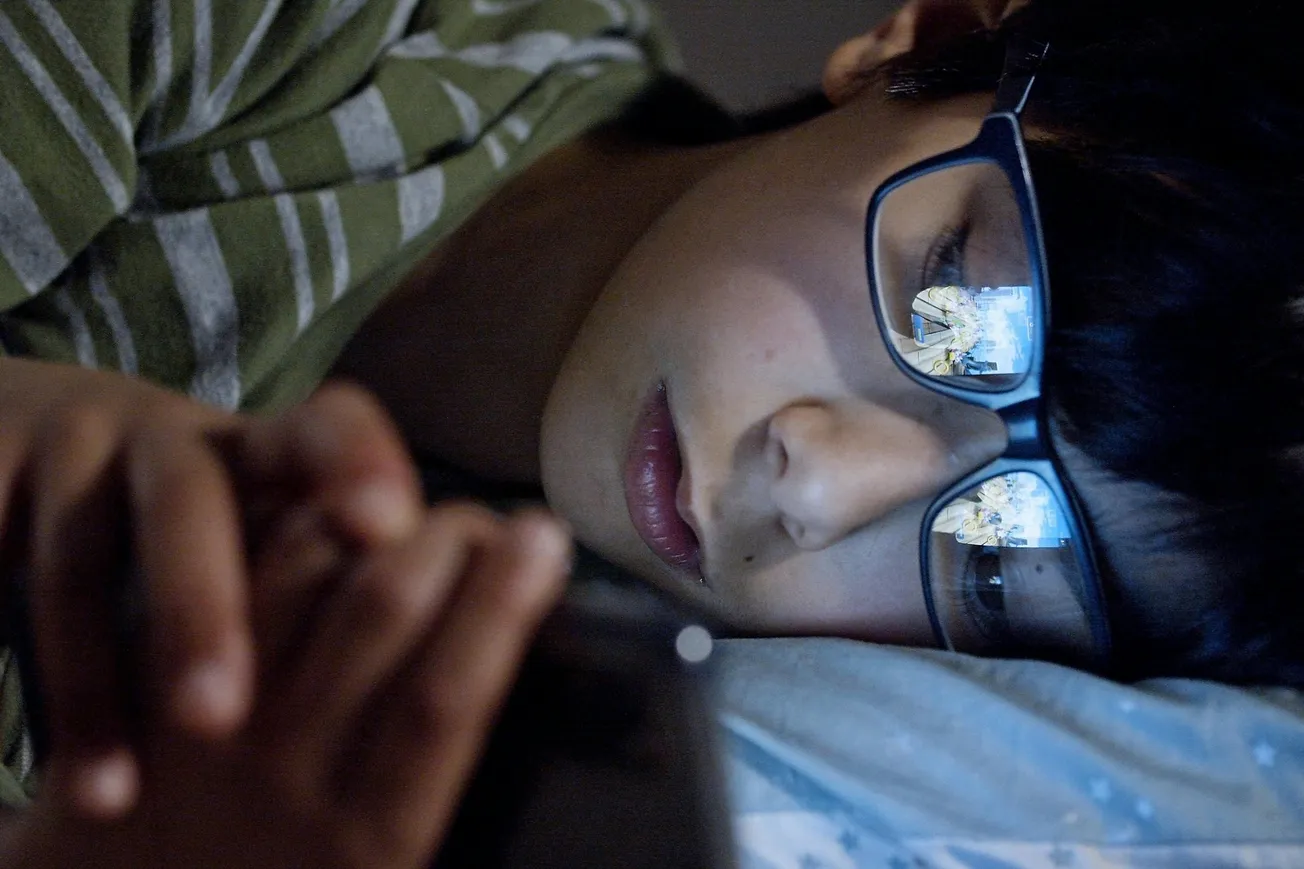
The move reflects mounting concern over the impact of social media on children’s mental health, wellbeing, and exposure to harmful content. Many adolescents in Australia had already turned to platforms like TikTok, YouTube, and Instagram — with some estimates showing a large majority of kids under 15 using social media regularly.
Supporters say the ban could curb cyberbullying, addiction to endless feeds, and exposure to content that may harm mental health or body image.
The government has framed the law as a protective step comparable to age restrictions on alcohol or movies.
Criticism, Concerns, and Global Watch
But critics — including tech companies and free‑speech advocates — argue the ban is overly broad, difficult to enforce effectively, and risks pushing young people toward “darker,” less‑regulated corners of the internet.
Others warn it may limit positive aspects of online life, like access to creative communities, digital literacy development, and social connections among teens.
There is also skepticism around enforcement: platforms must merely show “reasonable steps” — not perfect compliance — and age‑verification accuracy is technically challenging.
What comes next
Compliance dead‑lines are tight: many platforms have already begun removing under‑16 accounts; for example, Meta began purging users from Instagram and Facebook earlier this month.
Meanwhile, the law’s long‑term effects will be tracked by government regulators, academics, and privacy‑watch groups worldwide — as other nations watch closely to see whether Australia’s experiment succeeds or stumbles.