
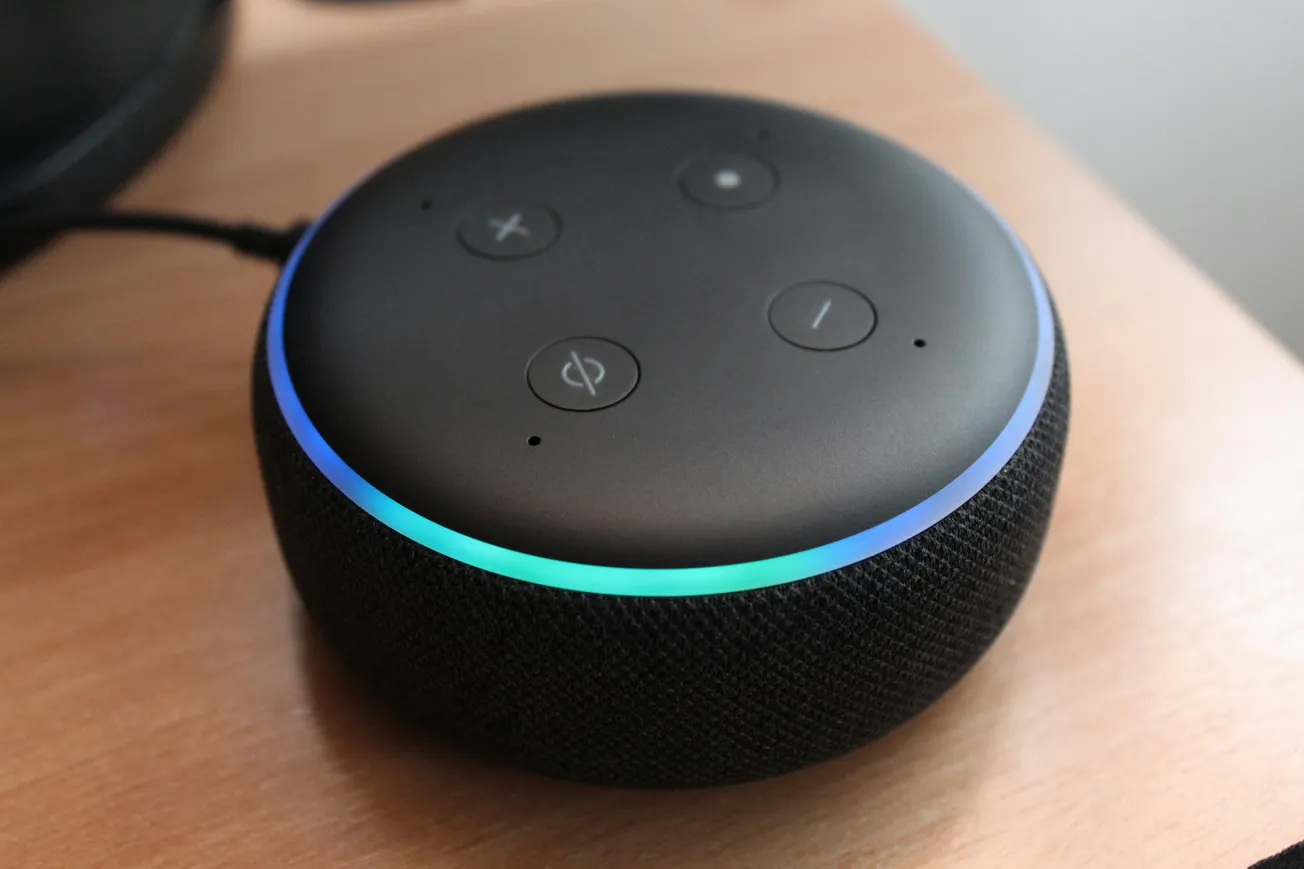
The evolution of smart assistant technology is moving toward a dedicated mobile presence that prioritizes voice interaction over traditional screen-based navigation. Recent industry reports suggest Amazon is exploring the development of a smartphone-like device built specifically around the Alexa ecosystem. This move signals a shift in how professionals and creators might interact with audio tools and communication software while on the go. For small businesses and content teams, a dedicated voice-first device offers a way to reduce screen fatigue while maintaining high levels of productivity through seamless audio integration.
Voice-first technology has historically been confined to stationary smart speakers or tethered to smartphone applications that compete for user attention through notifications and visual distractions. A mobile device designed with an Alexa-centric interface suggests a more streamlined approach to task management and content capture. This transition is particularly relevant for the growing number of professionals who rely on voice notes, dictated outlines, and audio-based project management to keep workflows moving outside of a traditional office environment.
For those involved in media production, the potential for a high-quality, voice-activated recording interface is significant. Most standard smartphones prioritize camera optics and screen resolution, often leaving microphone quality and audio processing as secondary considerations. If Amazon focuses on the audio capabilities of a dedicated Alexa device, it could serve as a portable hub for capturing high-fidelity interviews or field recordings that automatically sync with cloud-based editing platforms. This integration would eliminate several steps in the traditional file transfer process, allowing creators to move from recording to post-production with minimal friction.
The application of this technology extends into internal business communications and corporate training. Companies increasingly use private podcasts and audio briefings to keep distributed teams informed. A device that simplifies the creation and consumption of these audio assets could improve engagement rates among employees who spend a significant portion of their workday commuting or performing manual tasks. By lowering the barrier to entry for recording professional-quality audio, businesses can empower subject matter experts to share knowledge without requiring them to master complex recording software.
Marketing teams also stand to benefit from more accessible audio tools. The rise of social audio and short-form voice content requires a fast turnaround from idea to publication. A mobile device optimized for Alexa could allow marketers to draft scripts, record clips, and publish to various platforms using only voice commands. This hands-free approach enables content creation in environments where using a laptop or a screen-heavy smartphone is impractical.
As the landscape of generative artificial intelligence and voice processing continues to expand, the hardware used to access these tools must also evolve. A dedicated device reduces the processing overhead often found on multi-purpose smartphones, potentially leading to faster response times and more accurate voice-to-text transcription. For creators who prioritize speed and efficiency, these incremental gains in performance can lead to a more sustainable production schedule.
The development of new mobile hardware by Amazon reflects a broader trend toward specialized devices that serve specific user needs rather than attempting to be an all-in-one solution for every digital task. By focusing on the strengths of the Alexa platform, this rumored device could become a staple tool for those who view audio as their primary medium for communication and storytelling. Keeping an eye on these hardware shifts is essential for any business or creator looking to stay ahead in an increasingly audio-centric digital economy.