
In 2025, creators shifted their focus from exploring new AI tools to integrating them into their core workflows, prioritizing reduced friction over novelty. The data reveals a move from AI as an experimental add-on to an indispensable part of content creation, particularly in audio and voice editing, enabling creators to overcome technical hurdles and focus on their ideas.
The Shift from Experimentation to Dependence
Last year marked a significant evolution in how creators utilized AI. Instead of initial curiosity-driven experimentation, AI tools became embedded in the workflow, primarily accessed when creators encountered friction.
This friction often manifested as audio imperfections, overwhelming editing tasks for long recordings, voice inconsistencies, or less-than-ideal recording environments. AI tools were increasingly used to salvage and refine existing content, rather than abandoning projects.
Most-Used Tools Highlight Creator Priorities
The usage data from 2025 clearly indicates a hierarchy of AI tool adoption. AI Text to Speech led with 84,767 uses, followed by AI Transcription (34,633 uses) and AI Audio Enhance (23,038 uses). Tools like AI Voice Cloning, Noise Reduction, and Auto Leveling also saw tens of thousands of uses, underscoring their role as foundational elements in modern creator workflows.
The popularity of text-to-speech and transcription points to creators thinking in multiple formats simultaneously, seamlessly transitioning between text and audio. The widespread use of audio enhancement tools reflects a pragmatic approach to recording, where creators rely on AI to clean up audio captured in less-than-ideal conditions.
Audio Cleanup: The Real Workhorse
Audio emerged as the area where creators experienced the most significant impact from AI in 2025.
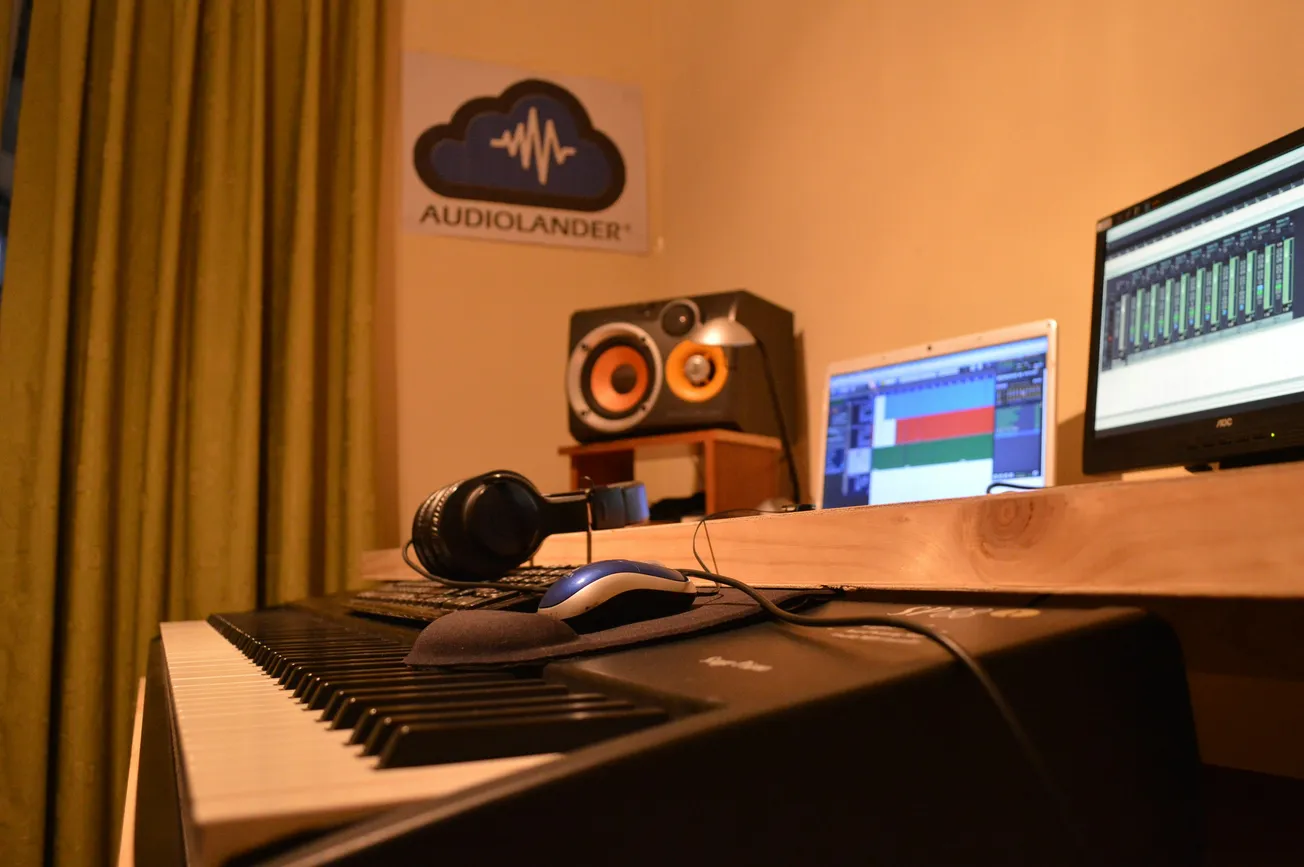
The availability of tools that made audio problems fixable post-recording transformed workflows. Instead of striving for perfect mic technique or multiple retakes, creators leaned on AI to enhance existing audio. In 2025, 109,390 audio projects were enhanced with AI, with AI Audio Enhance, Noise Reduction, and Auto Leveling being heavily utilized.
This focus on audio cleanup addressed common issues like background noise, fluctuating volume, and awkward silences, which often lead to stalled post-production.
Voice Tools: Reducing Pressure, Enhancing Consistency
Voice tools played a crucial psychological role, acting as a "confidence layer" for creators. Knowing that voice recordings could be edited, enhanced, or corrected later reduced the pressure to achieve perfection in the first take.
Tools like AI Voice Enhancer were used to smooth inconsistencies and improve clarity without altering the natural voice.
AI Voice Cloning, with 18,517 voices cloned, became vital for maintaining consistency across long-term projects like podcasts and YouTube series, allowing creators to update scripts or fix minor errors without re-recording entire sections.
Video Improvements: Lowering Barriers, Not Just Raising Value
While used less frequently than audio tools, video enhancements in 2025 focused on lowering the emotional and technical barriers to being on camera.
Tools like Eye Contact AI (1,386 uses) and background blur features helped creators feel more present and focused on their message, rather than being distracted by their recording environment or the need to stare directly into the lens.
These improvements were about removing excuses for not publishing, making video just another accessible way to communicate.
What 2025 Taught Us About Creators
The data from 2025 highlights several key truths about creators: reliability trumps novelty, cleanup is more valuable than complexity, systems are more effective than motivation, and consistent publishing is prioritized over perfect publishing.
AI content creation tools proved most effective when they quietly supported creativity, enabling creators to build momentum and share their ideas more consistently.