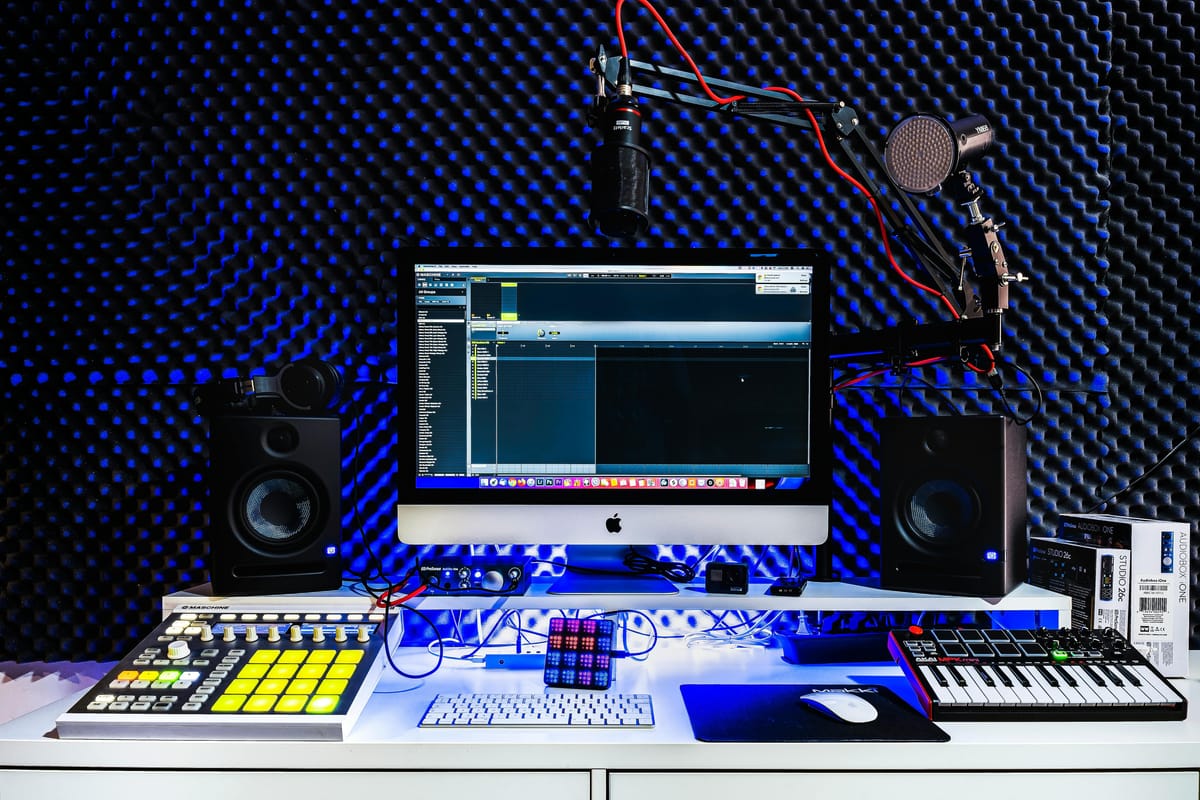

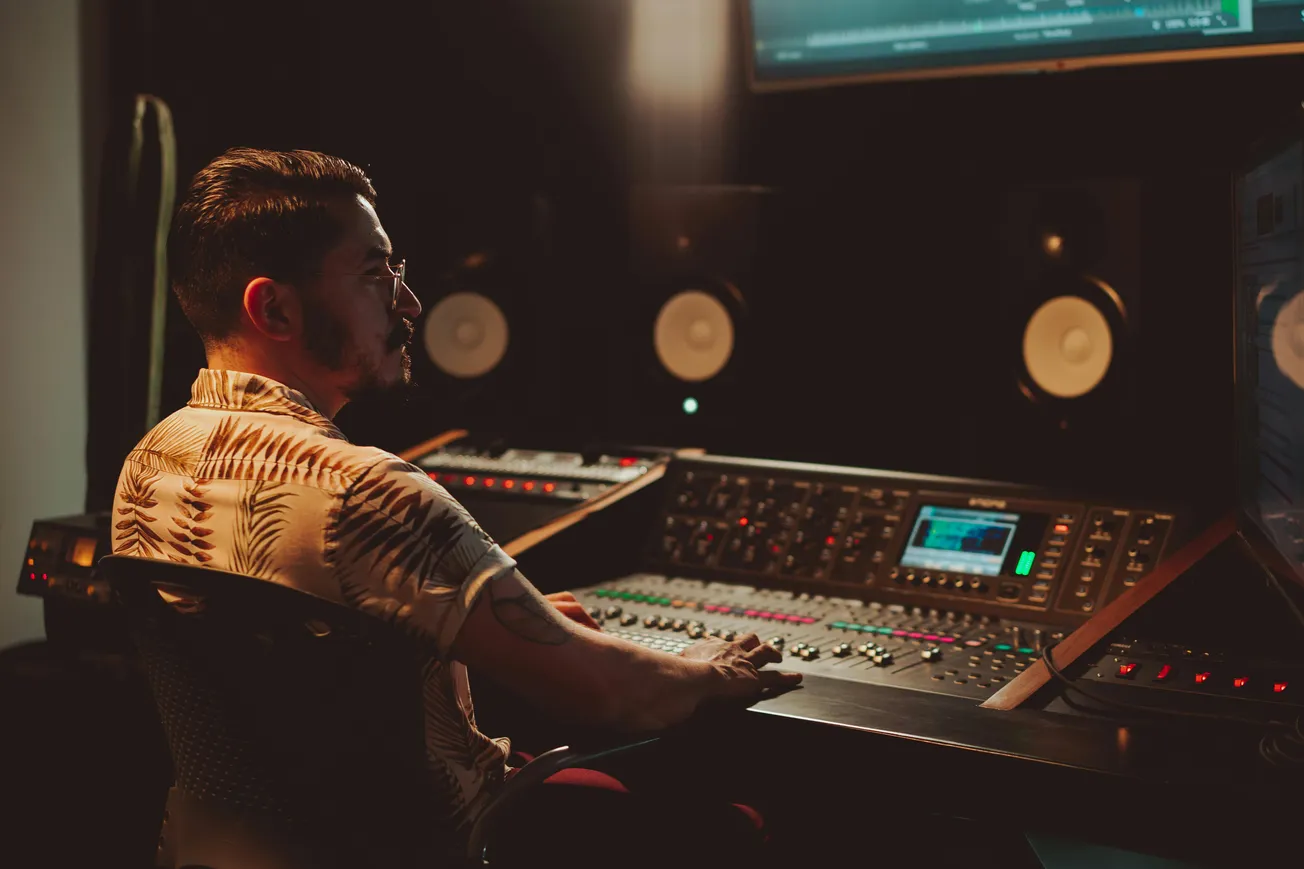
Mixing audio for video often requires accurate sound reproduction, and selecting appropriate monitoring tools can influence the quality of final mixes. While headphones remain useful for detailed tasks such as editing dialogue, they are not typically recommended as the sole reference for full project mixing.
Studio monitors are employed to evaluate audio on speakers, helping ensure that mixes translate across a range of playback systems.
Why Reference Monitors Matter
Headphones are common for close listening, but mixing primarily on headphones can lead to decisions that do not align with how sound is perceived on loudspeakers. Reference monitors aim to reproduce audio with minimal coloration, providing a neutral baseline that supports accurate judgment of tonal balance and imaging. Neutral sound reproduction helps mixers make decisions that hold up across consumer devices, from earbuds to home stereo systems.
Historically, high‑end monitor systems could be costly. For example, certain setups that include premium near‑field monitors and a subwoofer have retail values exceeding several thousand dollars, which may be impractical for creators who are not primarily focused on audio production. The market has expanded to include more competitively priced options that still target professional performance.
Among these, Adam Audio’s A7V near‑field monitors present a position as a mid‑to‑high‑end choice at a lower price point than some legacy premium systems.
The Impact of the Listening Environment
The acoustic characteristics of a room significantly influence how monitors perform. Even reference‑grade speakers can yield inaccurate results in untreated or poorly configured spaces. Key factors include:
- Speaker Placement: Positioning relative to walls and listening position affects frequency response and stereo imaging.
- Acoustic Treatment: Panels and bass traps can reduce problematic reflections and standing waves, contributing to a flatter in‑room response.
- Room Correction Tools: Measurement and correction software can analyze room response and apply filters to compensate for acoustic anomalies.
Adjustments such as careful placement and room correction software can improve accuracy even when full acoustic treatment is not feasible, which is often the case in smaller or multipurpose spaces.
Features of the Adam Audio A7V Monitors
The Adam Audio A7V monitors incorporate several design elements intended to support accurate monitoring:
- X‑ART Ribbon Tweeters: Adam Audio’s proprietary tweeter design uses a ribbon element to reproduce high frequencies, with the goal of reducing distortion compared to conventional dome tweeters.
- Hardware EQ Tuning: Integrated controls on the speaker chassis allow users to adjust equalization settings to better match room conditions.
- Ethernet Connectivity: Network connection and dedicated control software enable remote adjustment of monitor settings from a computer.
- Built‑In DSP for Room Correction: The A7V supports loading room correction profiles directly into its internal digital signal processing. This feature can maintain correction independently of external software during playback.
- Warranty: The manufacturer offers a standard limited warranty, extendable with registration.
Performance Considerations
Evaluations of the A7V monitors focus on their ability to deliver a neutral response across relevant audio content, including music and dialogue. Measurements and listening tests in treated environments suggest that the A7V can provide a relatively flat in‑room response, particularly when combined with room correction profiles.
Compared with larger legacy monitor setups that include subwoofers, the A7V may not reach the lowest bass frequencies, but it performs competitively in the midrange and high frequencies at a substantially lower cost. The monitors offer sufficient output and headroom for typical video audio mixing tasks, allowing levels to be increased without introducing noticeable distortion.
Conclusion
For users engaged in video audio mixing who require accurate reference monitoring, the Adam Audio A7V monitors represent a competitive option within their price segment.
Their combination of neutral response characteristics, room adaptation features, and network control capabilities positions them as a viable choice for both professional and enthusiast users.
The effectiveness of any monitor ultimately depends on integration with the user’s room and workflow, and consideration of room acoustics and placement remains essential regardless of the monitor model selected.
More about studio audio:
 Staff Report
 Staff Report
 Staff Report