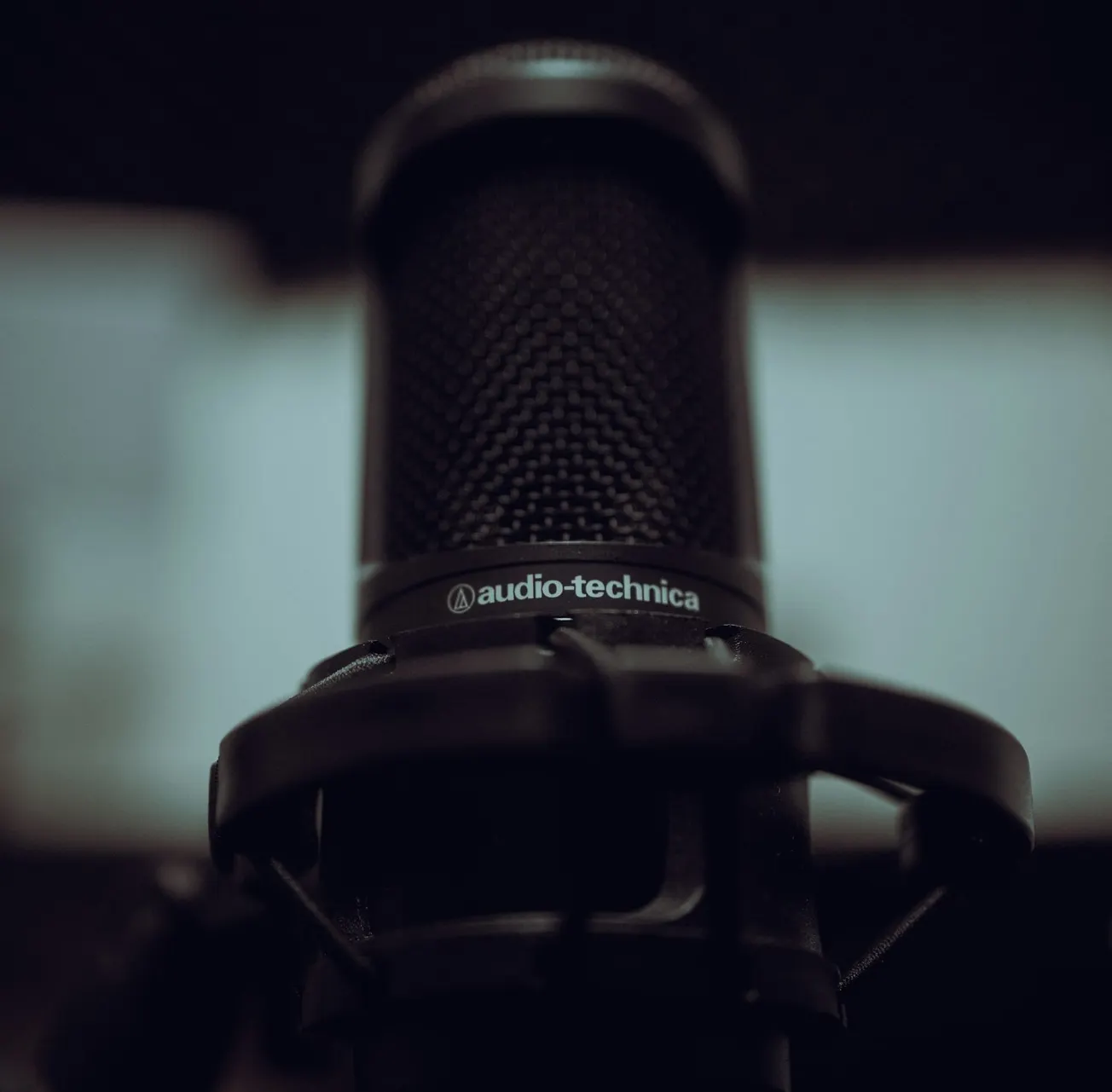


Ribbon microphones are not the usual first choice for voice-over work, but they offer a distinctive sound and a few useful production benefits. In this informal look at the RØDE NTR, we explore how ribbon microphones work, why they can sound rich and natural, and what creators should know before using one for dialogue.
Key takeaways
- Ribbon microphones use a very thin metal ribbon suspended between magnets.
- Modern active ribbon microphones, such as the RØDE NTR, include built-in amplification.
- They can produce strong proximity effect and a rich, “voice of God” sound.
- Their figure-eight pickup pattern makes room treatment especially important.
- A softer high-frequency response may help reduce sibilance.
- Ribbons are more delicate than most dynamic and condenser microphones.
What makes ribbon microphones different?
Ribbon microphones have been around since the early days of recorded sound. Commercial models first appeared in the 1930s, and they quickly became popular in radio, film, and music recording because of their broad, natural sound.
The basic design is simple, although the parts are extremely delicate. A thin metal ribbon sits between two strong magnets. As sound moves the ribbon inside that magnetic field, it creates a small electrical signal. A transformer then transfers and increases that signal.
The ribbon inside the RØDE NTR is just 1.8 microns thick. That is incredibly thin. The material is formed into a small accordion-like shape, which lets it move in response to sound.
Ribbon microphones have traditionally been used for instruments such as brass, woodwinds, guitar cabinets, and other sources that benefit from a smooth, full tone. They are less common in voice-over, but that does not mean they have no place there.
Passive and active ribbon microphones
Older ribbon microphones were passive. Their output was very quiet, so they needed a preamp with a large amount of clean gain. In some cases, that meant using around 70 dB or more just to reach a practical recording level.
Modern designs often solve this problem by adding an active preamp inside the microphone. The RØDE NTR uses this approach. It requires phantom power, which activates the internal electronics and produces a stronger signal for standard microphone preamps, recorders, and interfaces.
This is an important distinction. Phantom power can damage many older passive ribbon microphones, but an active model is designed to receive it. Always check the microphone’s requirements before connecting power.
For production setups using equipment such as Sound Devices MixPre recorders, an active ribbon is much easier to work with than a vintage passive design. You still need some gain from the recorder or interface, but not an extreme amount.
 Staff Report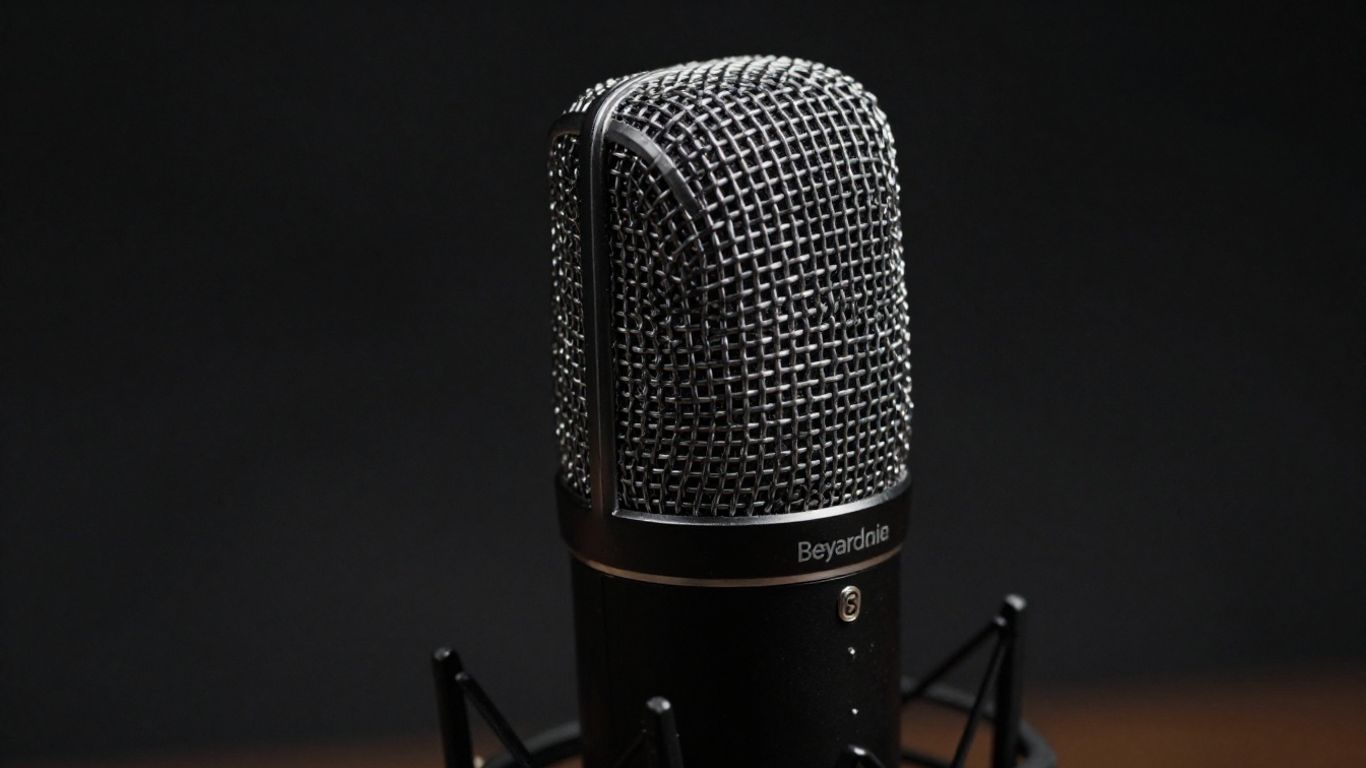
Ribbons need careful handling
Ribbon microphones are more fragile than most condensers and dynamics. Strong blasts of air can stretch or damage the ribbon. Plosive sounds such as “P” and “B” are a particular concern when the speaker is close to the microphone.
A pop filter is still a good idea, even when the microphone has a protective grille. The RØDE NTR includes a useful internal design, but additional protection makes sense for voice-over sessions.
A practical setup might include:
- A sturdy stand or boom arm.
- A pop filter placed between the speaker and microphone.
- A treated room or vocal booth.
- Enough working distance to avoid excessive plosives and bass buildup.
Working distance and proximity effect
One interesting feature of ribbon microphones is how much proximity effect they can produce. As you move closer to the microphone, the low end becomes much stronger. The result can be a deep, powerful sound that works well for dramatic narration or a “voice of God” style delivery.
That effect is not right for every project. It can make a voice sound thick or muddy if overused. Still, the ability to work a little farther away while keeping a healthy amount of bass can be useful.
A greater working distance also gives the talent more room to move. The microphone does not have to sit directly in front of the speaker’s face, leaving more space for a script and making the session feel less cramped.
 Staff Report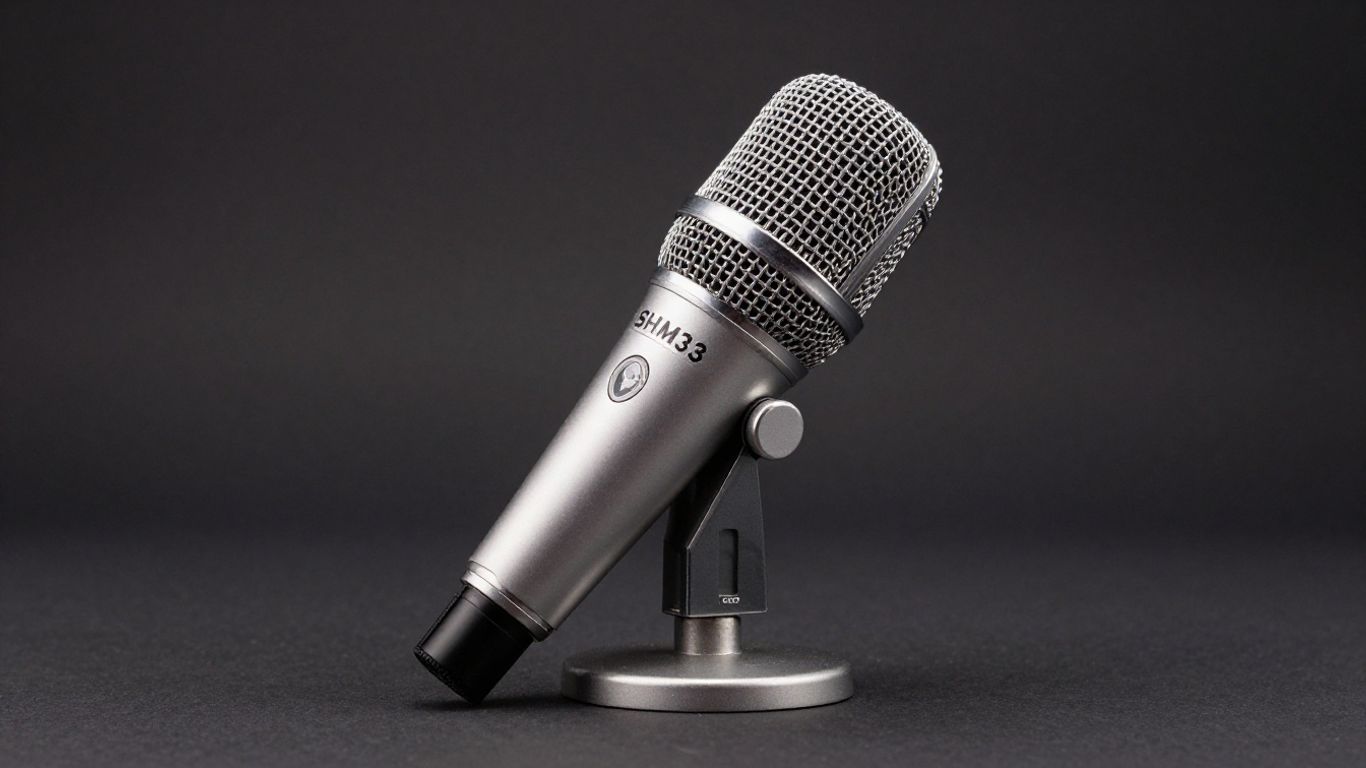
The figure-eight pickup pattern
Traditional ribbon microphones usually have a figure-eight polar pattern. They are sensitive at the front and back, while rejecting sound from the sides.
This is very different from the cardioid microphones often used for voice-over. A cardioid microphone rejects much of the sound behind it. A figure-eight ribbon, by contrast, can pick up reflections, computer noise, or other unwanted sound from the rear.
For that reason, a ribbon microphone is not usually the best option for a desk in an untreated room. It works better in a vocal booth or a space with controlled acoustics.
The strong side rejection can still be useful. Early film productions reportedly positioned ribbon microphones so their sides faced noisy movie cameras. This helped reduce camera noise while capturing dialogue from the front.
A smoother high-frequency response
Many ribbon microphones roll off the highest frequencies sooner than typical condenser microphones. This can give them a darker, smoother character.
That softer top end may be helpful when recording a voice with strong sibilance. Condenser microphones can sometimes emphasize “S,” “T,” and similar sounds, forcing the editor to spend more time on de-essing and dialogue processing.
The RØDE NTR has a fairly even and natural response through much of the audible range, with the high end falling away more noticeably above roughly 12 to 15 kHz. It will not suit every voice, but it can produce a pleasing result when a condenser sounds too sharp.
RØDE NTR design details
The NTR includes several design choices that make it easier to use in modern production:
- Internal shock mount: The ribbon motor is suspended inside the microphone, reducing the need for a large external shock mount.
- Open basket: The grille is designed to limit unwanted resonances that could color the sound.
- Active electronics: Phantom-powered circuitry provides a stronger output signal.
- Custom transformer: RØDE impedance-matched the transformer to the ribbon motor rather than relying on a standard off-the-shelf part.
- Laser-cut ribbon: The ribbon is designed to reduce tiny rough edges and improve long-term durability.
RØDE also backed the microphone with a 10-year warranty, which is notable for a product built around such a delicate component.
Is a ribbon microphone right for voice-over?
A ribbon microphone is not a universal replacement for a condenser or dynamic microphone. It needs a suitable room, careful handling, and a voice that benefits from its darker, fuller character.
Still, the RØDE NTR shows why modern ribbon microphones deserve attention from voice-over artists, filmmakers, and podcast producers. They can offer natural detail, reduced sibilance, useful proximity effect, and a less clinical sound.
For creators comparing microphones and improving dialogue workflows, this is the kind of tool worth testing rather than judging by category alone. As with any piece of production gear, the room, the voice, and the final project matter just as much as the microphone itself.