The Shift Toward Video-First Podcasting
The boundaries between traditional television and digital audio continue to blur as video becomes the dominant format for audience engagement. Recent data indicates that YouTube has reached a milestone of 100 million hours of podcast content viewed daily, solidifying its position as a central hub for long-form storytelling. This surge in viewership reflects a fundamental change in how consumers interact with media, moving away from audio-only experiences toward multi-sensory engagement.
Apple Podcasts is also accelerating this transition with the rollout of HTTP Live Streaming (HLS) video support. This technology allows listeners to switch seamlessly between audio and video playback depending on their environment. Hosting providers like Buzzsprout have already confirmed integration, providing creators with more robust tools to manage hybrid content. These updates ensure that video integrates naturally into existing show workflows without disrupting the traditional RSS-based distribution model.
Maximizing Ad Reach Through Strategic Reallocation
For businesses and marketing teams, the efficiency of podcast advertising is becoming impossible to ignore. A recent case study by Edison Podcast Metrics and Nielsen Media Impact suggests that moving just 5% of a traditional television advertising budget into podcasts can significantly expand brand reach. In a sample pharmaceutical campaign, this modest shift allowed a brand to reach an additional 26 million people without increasing the total expenditure.
This outsized result is attributed to the highly focused nature of podcast audiences, which often include demographics that are harder to reach via linear broadcast or cable. By treating podcasts as a core component of a media plan rather than an experimental add-on, businesses can achieve better penetration and brand recall. The study highlights that success in modern marketing often comes from optimizing existing resources rather than simply spending more.
New Hardware and Software Choreography
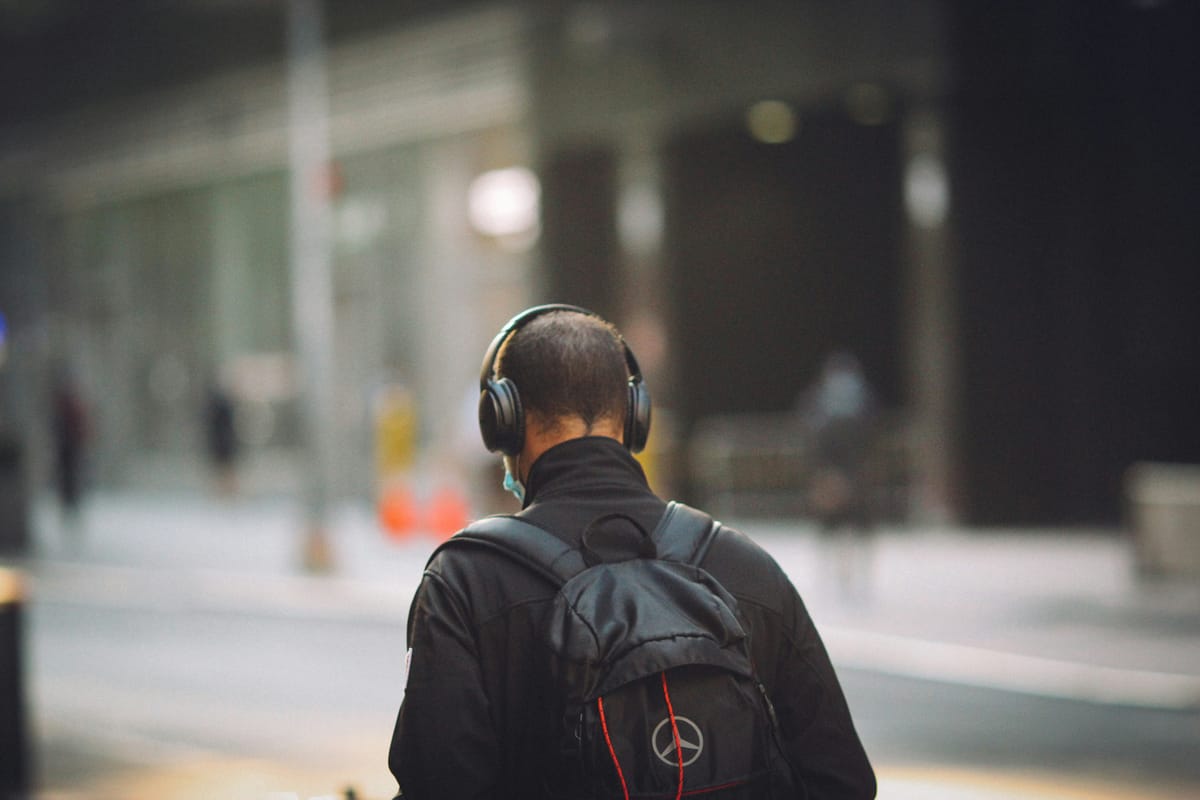
The technical landscape is also preparing for significant updates with the expected release of iOS 26.4. Industry analysts suggest this software update will coincide with the launch of the new Apple AirPods Max 2 headphones. The hardware and software are designed to work in tandem to support advanced features such as live translation and refined audio controls via the Digital Crown.
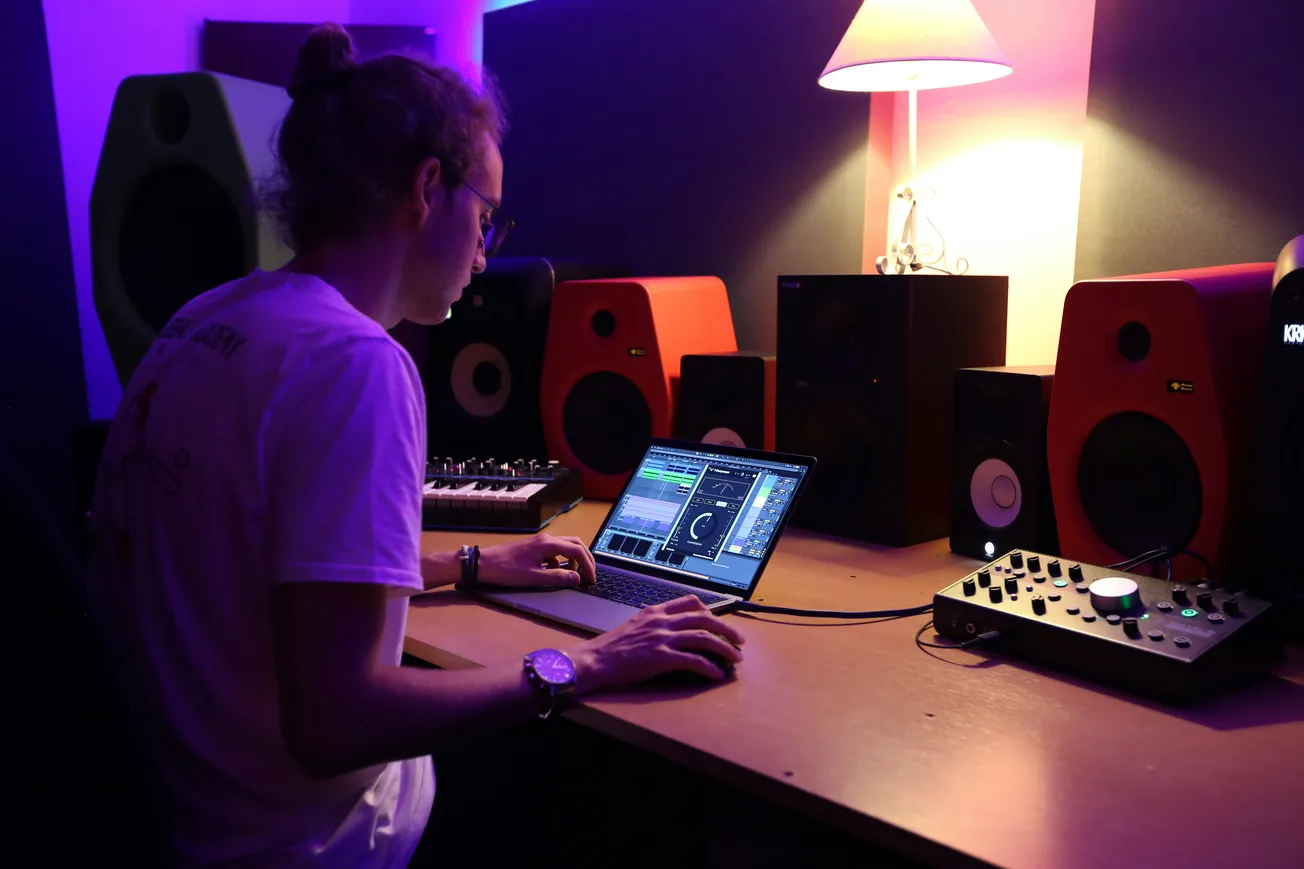
For creators, these hardware advancements offer improved monitoring capabilities and more immersive sound design options. As noise cancellation and voice isolation technologies improve, the barrier to producing professional-grade audio in non-traditional environments continues to lower. This trend supports the broader mission of making high-quality production accessible to independent teams and small businesses.
Recognizing Independent Excellence
The inaugural Indie PaC Awards at SXSW 2026 recently highlighted the impact of creators operating outside traditional media structures. Winners included The Diary of a CEO for Best Independent Interview Show and Kill Tony for Best Independent Comedy. These awards serve as a reminder that independent creators are now competing directly with major networks in terms of cultural influence and production quality.
New narrative releases like Going Clean is Dirty Business further demonstrate the ambition of independent storytelling. The series explores a decade-long saga regarding failed clean energy technology, showcasing how narrative podcasts can tackle complex, investigative subjects. Meanwhile, The Worst Podcast features comedians sharing their professional failures, emphasizing the authenticity and vulnerability that audiences increasingly crave in their digital media.
More about video podcasts:
 Staff Report
 Staff Report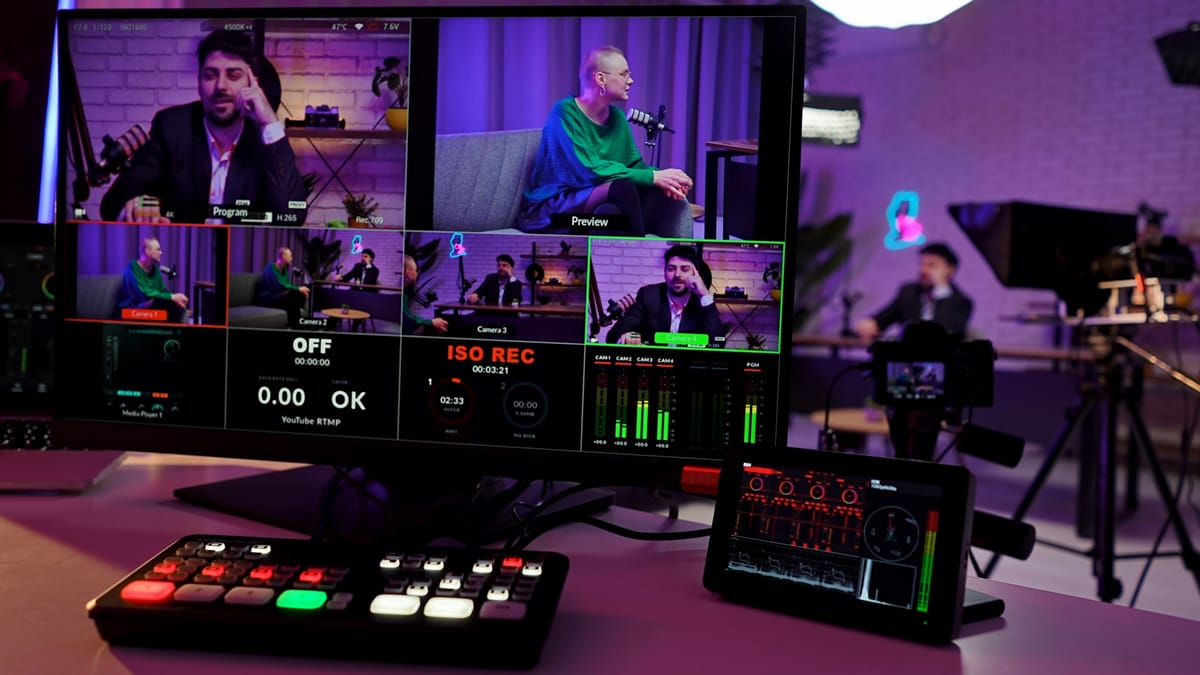
 Staff Report