In audio production, mixing is an art grounded in science — but both the physical environment and human perception can mislead engineers into making imperfect decisions.
Research reveals how studio setups, visual interfaces, and psychological factors can “trick” us into misjudging what we hear. Understanding these influences helps producers refine their mixes so they translate well across different systems and audiences.
Visual Distractions and the Screen Effect
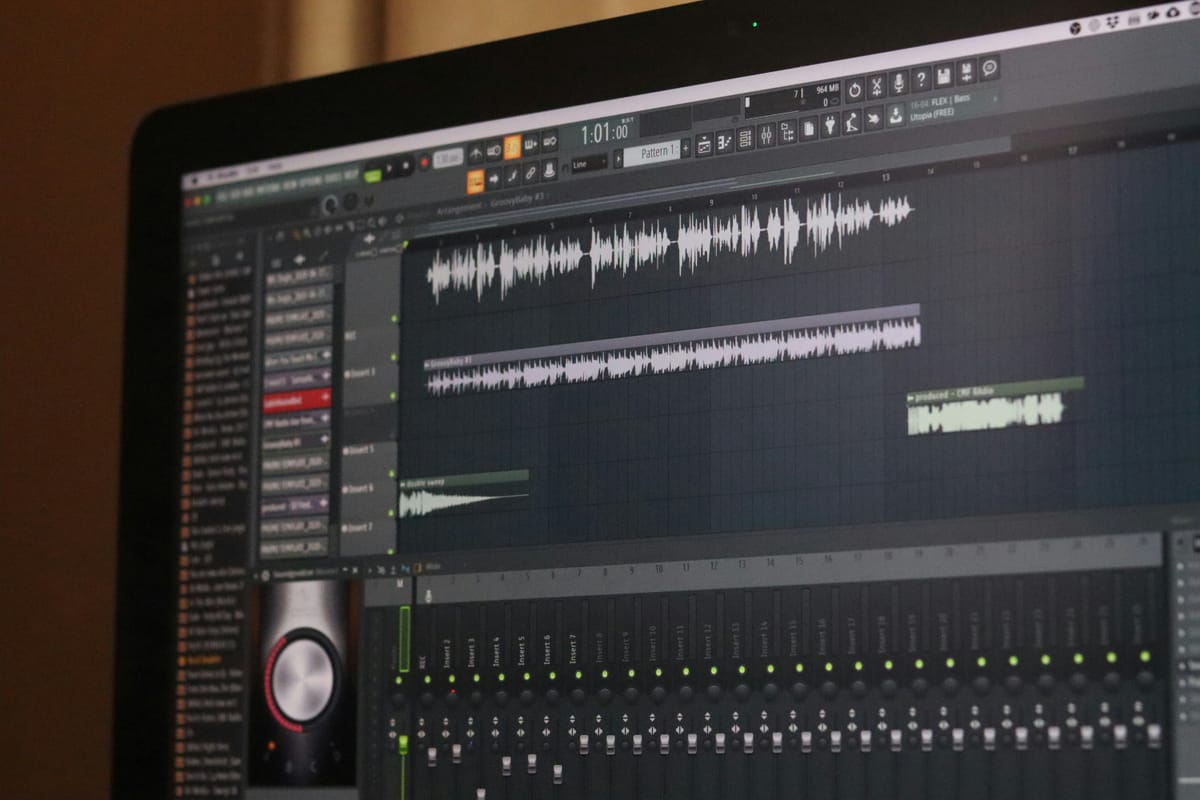
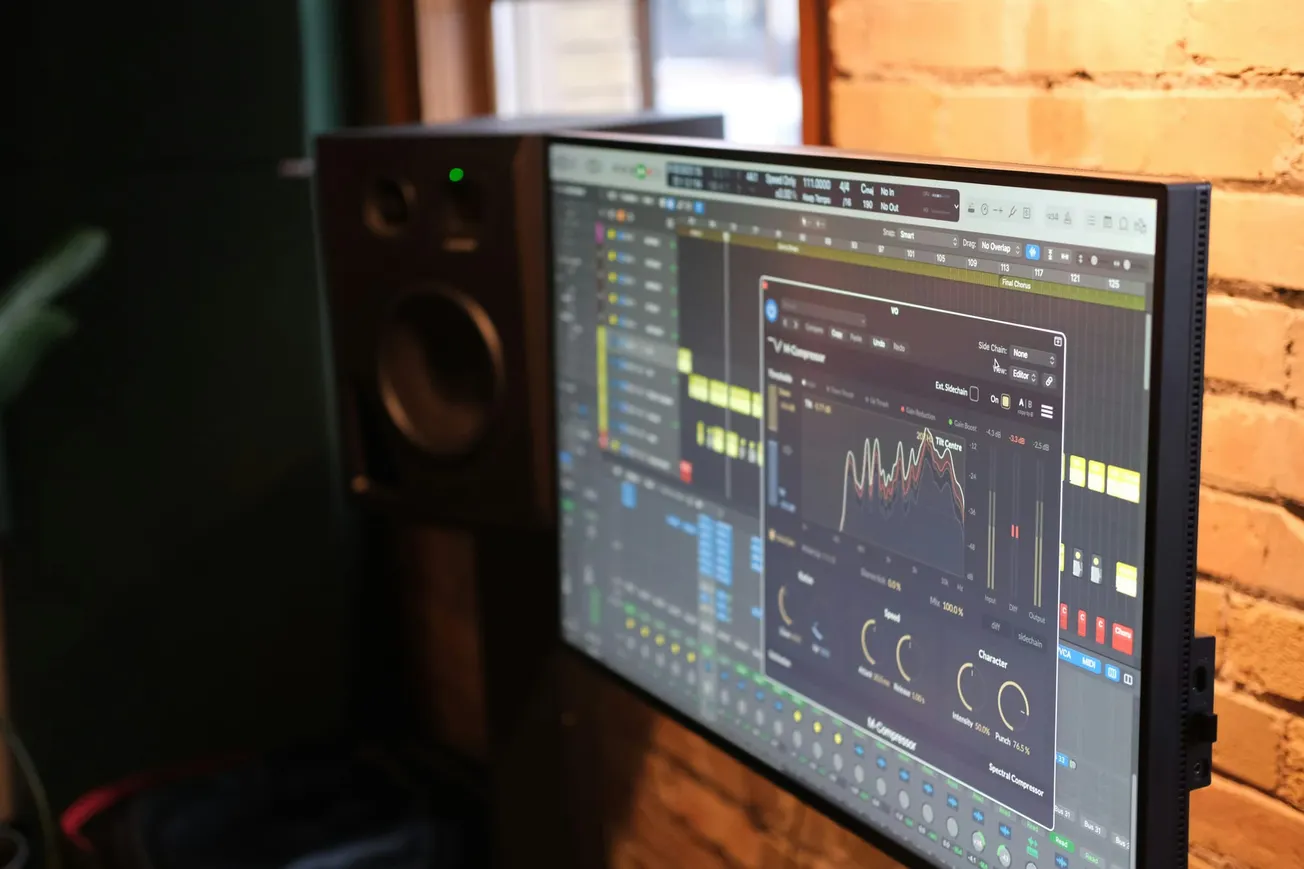
One subtle factor that can distract mixers is the presence of computer screens and graphical user interfaces (GUIs) in digital audio workstations (DAWs).
According to an article from Production Expert, visual elements in the DAW — meters, plugin displays, and session views — can draw attention away from purely listening, creating a form of sensory overload where the brain struggles with competing inputs. Some engineers suggest temporarily removing visual stimuli, for example by turning off the display during critical listening, to focus more on sound rather than the “paraphernalia” of the application.
This isn’t just a matter of preference: dense visual feedback can skew decision-making, leading engineers to make changes guided by what they see rather than what they hear. Emphasizing listening with minimal visual distraction can often lead to more musically satisfying results.
The Listening Environment: More Than “Just a Room”
The physical space in which mixing happens plays a massive role in shaping perception. Studio acoustics — how sound waves reflect, absorb, and interact in a room — can cause certain frequencies to be exaggerated or diminished, leading engineers to unintentionally color their mixes.
A room without proper acoustic treatment can misrepresent low-end frequencies or create misleading reflections, causing a mix that sounds balanced in the studio but falls apart elsewhere. Regularly checking mixes in different spaces (e.g., headphones, car speakers, small speakers) can expose these problems and help avoid being “tricked” by your room.
The Brain’s Role in Hearing
Even without environmental factors, the human auditory system itself can deceive us. Research in psychoacoustics shows that the brain actively shapes what we hear — prioritizing certain elements like vocals and reorganizing overlapping sounds into distinct streams — which means the same audio can be perceived differently depending on attention and context.
This means that after long mixing sessions or hard listening work, the brain’s interpretation of sound can change. Ear fatigue, for example, reduces sensitivity over time, often leading engineers to make over-compensated changes. Taking breaks and resetting your listening perspective are practical ways to counteract this.
Tools Can Help — When Used Wisely
Visual tools like spectrum analyzers and meters are helpful — but they shouldn’t replace critical listening. Production Expert highlights that relying too heavily on visual cues from plugins can lead to decisions that look technically correct on screen but don’t sound right by ear.
Instead, use visual aids to confirm what you already hear. First trust your ears to make the initial judgment, then refine with analytical tools as needed. This approach balances human perception and technological insight.
Monitoring Practices to Counter Perception Bias
Consistent monitoring levels and environments are key for reducing deceptive influences. Keeping playback at a moderate volume helps avoid the cognitive distortions associated with too-loud or too‐quiet listening, which can inhibit creative thinking and accurate auditory evaluation.
Further, mixing with well-treated monitors positioned in a correct listening “sweet spot” — the precise area where speaker output aligns acoustically with the listener — improves fidelity and consistency.
Practical Takeaways for Better Mixing
Whether working in a professional facility or a home studio, mixers can take specific steps to mitigate perceptual tricks:
- Minimize visual distractions during critical listening phases.
- Acoustically treat your room and regularly test mixes on multiple playback systems.
- Take listening breaks to avoid ear fatigue and perceptual bias.
- Use visual tools as confirmation, not as the primary decision maker.
- Maintain consistent monitoring levels to avoid cognitive distortions.
By recognizing that your environment, your tools, and your own brain can all influence what you think you hear, audio professionals can make smarter choices that lead to mixes that translate beautifully — not just in the studio, but everywhere they’re played.
More about audio:
 Staff Report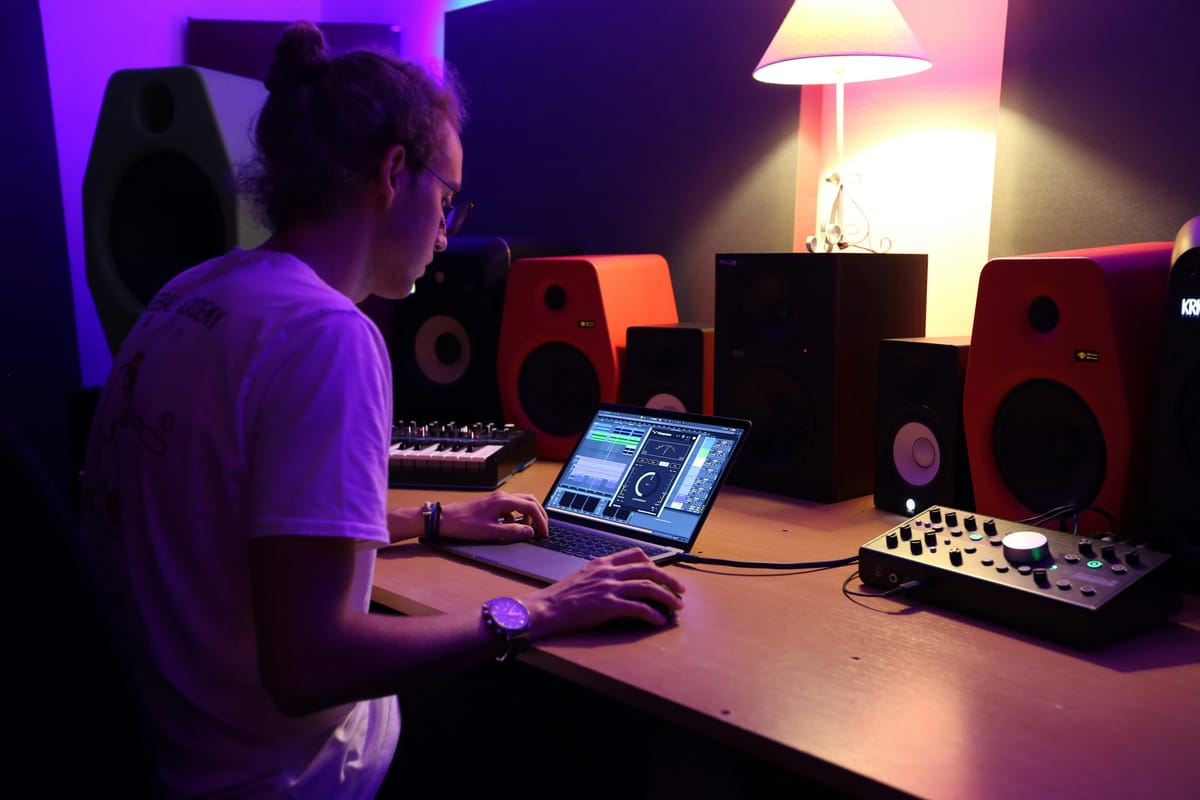
 Staff Report
 Staff Report