
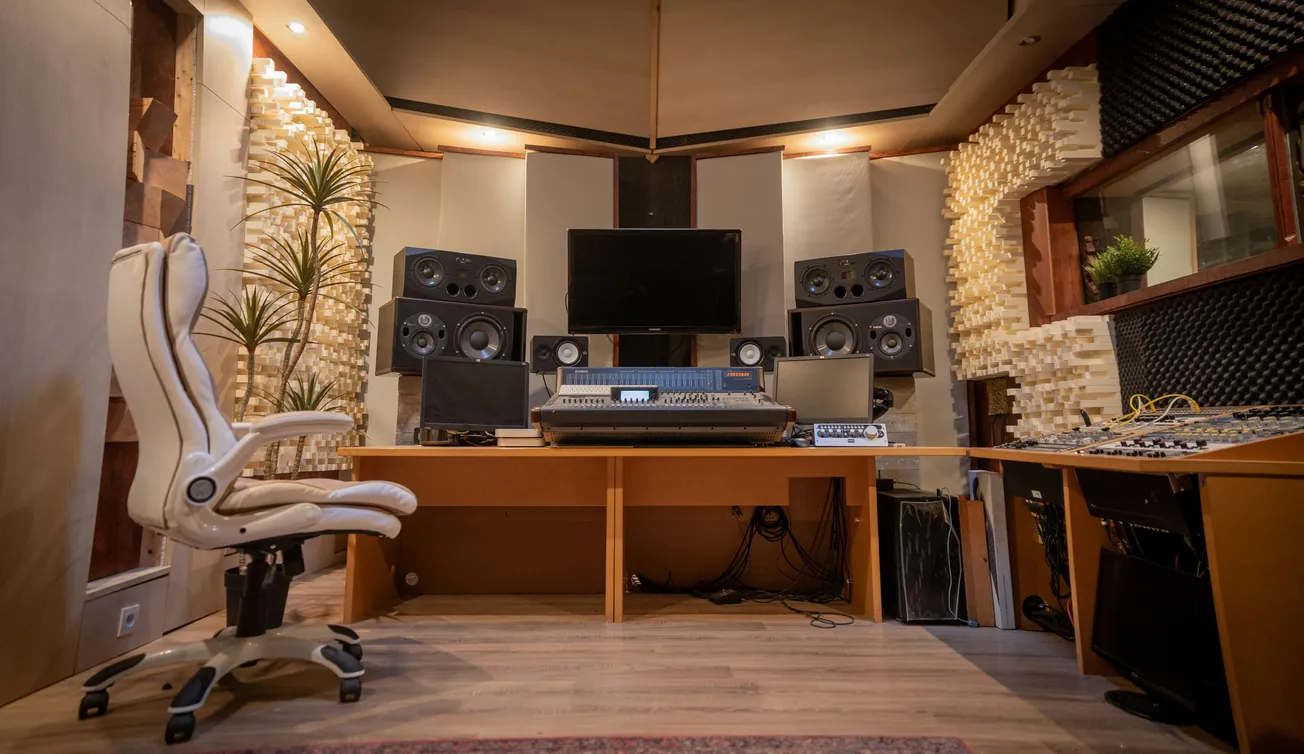
Great microphones and monitors mean little in a poorly treated room. In 2026, studio acoustic treatment remains one of the most overlooked but high-impact investments for podcasters, producers, video creators, and hybrid content teams. Whether building a dedicated control room or improving a home office studio, the right acoustic treatment reduces reflections, controls low-frequency buildup, and improves overall recording and mix accuracy.
A recent roundup from Production Expert highlighted six studio acoustic treatment brands worth exploring this year, reflecting a mix of established leaders and design-forward innovators shaping modern studio environments (Production Expert).
Here is a closer look at what makes each brand relevant in 2026—and how creators and businesses can evaluate the right fit.
Why Acoustic Treatment Still Matters
Acoustic treatment is often confused with soundproofing. Treatment manages how sound behaves inside a room, improving clarity and translation. Soundproofing, by contrast, focuses on isolation between spaces.
For podcasters, untreated rooms can introduce comb filtering and echo. For video creators, room reflections can make dialogue sound distant or boxy. For music producers, uncontrolled bass leads to inconsistent mixes that fall apart on other systems. Strategic use of absorption panels, bass traps, and diffusers addresses these problems at the source.
Auralex Acoustics: Accessible and Proven
Auralex remains one of the most recognizable names in studio acoustic treatment. Known for foam-based absorption products and modular bass traps, the brand continues to serve home studios, project studios, and commercial spaces alike.
In 2026, Auralex stands out for accessibility. Its product lines are widely available, and installation is typically straightforward, making it a practical entry point for podcasters and small production teams upgrading from untreated rooms.
GIK Acoustics: Performance-Focused Broadband Control
GIK Acoustics has built a reputation around broadband absorption and serious low-frequency management. Rather than focusing solely on mid and high frequencies, many of its panels are designed to extend performance into the bass range.
This makes GIK a strong option for control rooms, mix spaces, and multi-purpose studios where translation accuracy is critical. The company also offers room advice and layout guidance, which can be particularly useful for businesses designing new production spaces.
HOFA Akustik: Modular Flexibility
HOFA Akustik approaches acoustic treatment with a modular mindset. Its frame systems allow users to combine absorption and diffusion elements within the same structure.
That flexibility is valuable in hybrid spaces. Many content creators now operate rooms that function as podcast studios, video sets, and mixing environments. Modular acoustic systems make it easier to adjust the room’s response depending on the session type.
Vicoustic: Performance Meets Design
Vicoustic has become a popular choice for studios where aesthetics matter as much as acoustics. With sculpted panels, hybrid absorber-diffuser products, and architectural-friendly finishes, Vicoustic products often appear in visible camera shots.
For businesses using studios for branded video, livestreams, or executive communication, visually refined acoustic treatment helps maintain a professional on-screen presence without compromising performance.
Artnovion: Engineered Precision
Artnovion focuses on engineered acoustic solutions that combine measured performance with premium finishes. Frequently specified in high-end private studios and institutional builds, the brand emphasizes technical documentation and controlled acoustic behavior.
For larger commercial facilities or education environments investing in purpose-built rooms, Artnovion products support long-term acoustic planning rather than temporary fixes.
Primacoustic: Reliable Studio Standards
Primacoustic offers a wide range of panels, bass traps, and ceiling clouds that are commonly used in broadcast, education, and corporate production spaces. Its room kits simplify purchasing decisions by bundling products based on room size and application.
For teams that want predictable results without designing a treatment plan from scratch, these bundled systems reduce friction and accelerate setup.
How to Choose the Right Brand
The best acoustic treatment brand depends less on brand recognition and more on room goals.
Room size and geometry should guide panel thickness and bass control needs. Hybrid content rooms may benefit from modular systems. On-camera studios should consider visual design alongside acoustic performance. Budget, installation complexity, and long-term scalability also matter.
For creators scaling production or businesses building internal media capabilities, acoustic treatment should be viewed as infrastructure, not decoration. Accurate sound reduces editing time, improves mix decisions, and elevates perceived production quality across podcasts, training videos, marketing content, and internal communications.
As content demands grow in 2026, studios that invest in proper acoustic treatment gain a measurable advantage: clearer recordings, more consistent mixes, and a more professional experience for both creators and audiences.
More about studio acoustics:
 Staff Report
 Staff Report
 Staff Report