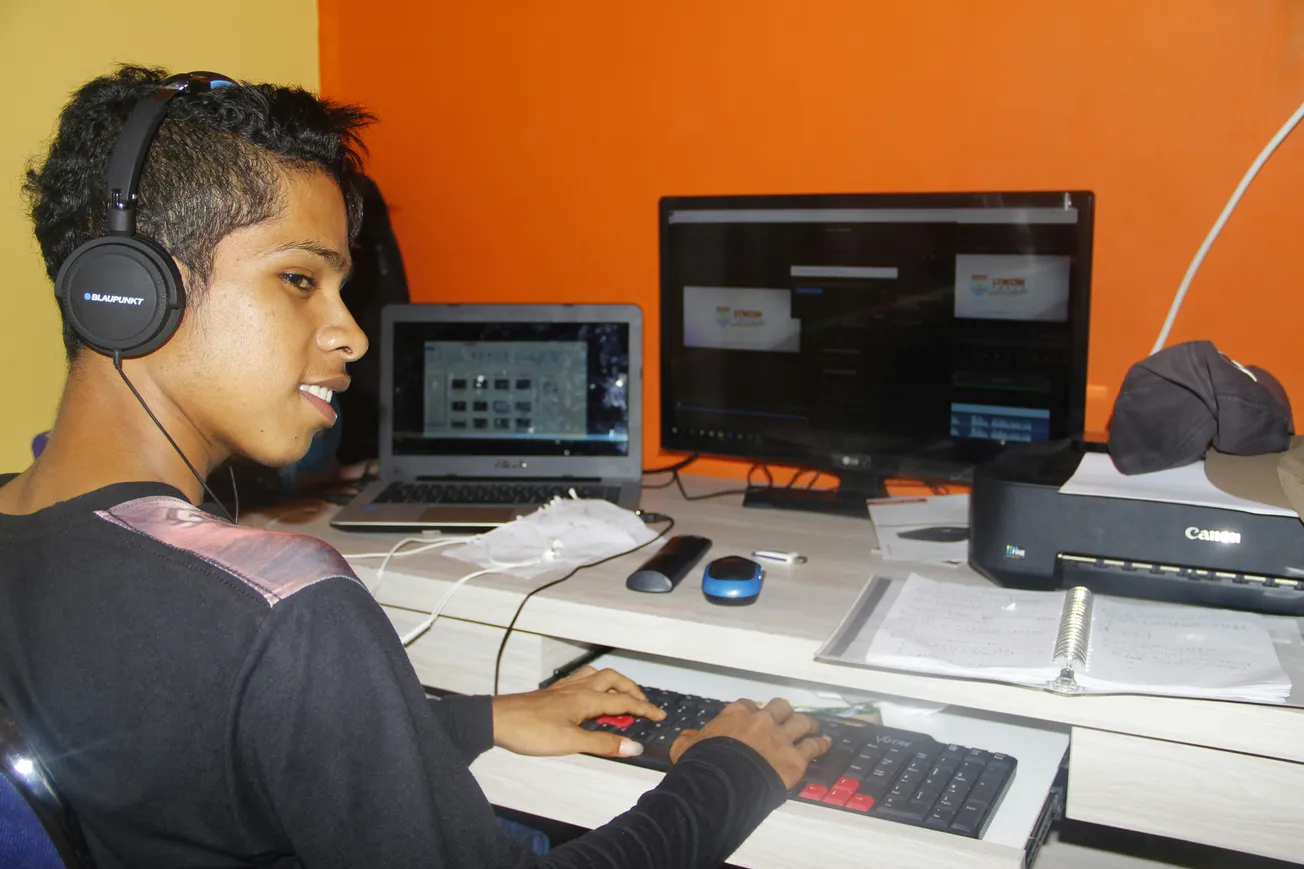


Starting a podcast can be a powerful way to grow an audience, build trust, and share your expertise — but launching one successfully takes more than just hitting record. Whether you're a business owner, coach, or content creator, here are 15 key things to consider before starting your podcast:
1. Why You’re Starting
What’s your goal? Brand awareness, education, lead generation, community building, or creative expression? Your “why” shapes everything.
2. Who It’s For
Define your target listener. Consider their age, interests, profession, and what they value in audio content.
3. Format & Structure
Will it be interview-based, solo, co-hosted, narrative, or panel-style? Plan how episodes will flow and how long they’ll be.
4. Episode Length
Short (10–15 min), medium (20–40 min), or long-form (1 hour+)? Choose a length that fits your audience’s listening habits.
5. Frequency & Schedule
Weekly, bi-weekly, or monthly? Consistency is more important than quantity — set a schedule you can stick to.
6. Name & Branding
Your podcast title should be memorable, clear, and searchable. Pair it with a strong cover image and brand tone.
7. Intro & Outro Style
Will you use music, a voiceover, or a scripted message? These bookends set the tone for your show.
8. Recording Setup
A quiet environment, a quality microphone, and headphones are the baseline. Consider software like Riverside or Zoom for remote interviews.
9. Editing Workflow
Will you DIY or outsource? Editing removes filler words, awkward pauses, and background noise — critical for listener retention.
10. Music & Licensing
If you use music, make sure it’s royalty-free or properly licensed to avoid takedowns or legal issues.
11. Hosting Platform
Choose a podcast hosting service (e.g., Libsyn, Buzzsprout, Podbean) to distribute your episodes to Spotify, Apple, etc.
12. Episode Titles & Show Notes
These impact discoverability and SEO. Write clear, keyword-rich titles and helpful summaries with links.
13. Promotion Strategy
Plan how you'll promote episodes — social media, email newsletters, guest cross-promotion, or paid ads.
14. Monetization (If Applicable)
Will you offer sponsorships, premium content, affiliate links, or use your podcast to drive business?
15. Long-Term Vision
Podcasting is a marathon, not a sprint. Think 6–12 months ahead — how will your podcast evolve or scale?
Before diving into podcasting, take time to plan. A thoughtful approach ensures your show aligns with your goals, serves your audience, and stays sustainable over time. Done right, podcasting can be one of the most personal, impactful, and scalable forms of content you’ll ever create.