
Improving your cinematography doesn’t need expensive gear, film school, or years of on‑set experience. According to cinematographer Spenser Sakurai and insights from No Film School, the most effective way to level up your visual storytelling is deliberate analysis—training your eye by studying film frames shot by shot and comparing them to your own work.
This approach may seem simple, but it builds a deeper understanding of how and why great cinematography works, helping you make more intentional creative choices. Here’s how to apply it to your own projects.
Why Analysis Matters More Than Gear
Many aspiring cinematographers fall into the trap of thinking gear will solve their problems: a better camera, a faster lens, a bigger lighting kit. While tools matter, the visual decisions behind how you use them make the real difference.
Breaking down existing film frames teaches you how professionals handle composition, light, color, depth, and movement—and gives you a framework to evaluate your own images.
Rather than guessing why a shot works, asking specific questions—like “Where is the light coming from?” or “Why is this character framed here?”—builds your visual intuition over time.
Start With Frame‑By‑Frame Breakdown
To begin analyzing like a cinematographer:
- Choose a scene you admire. Look for films known for strong visuals.
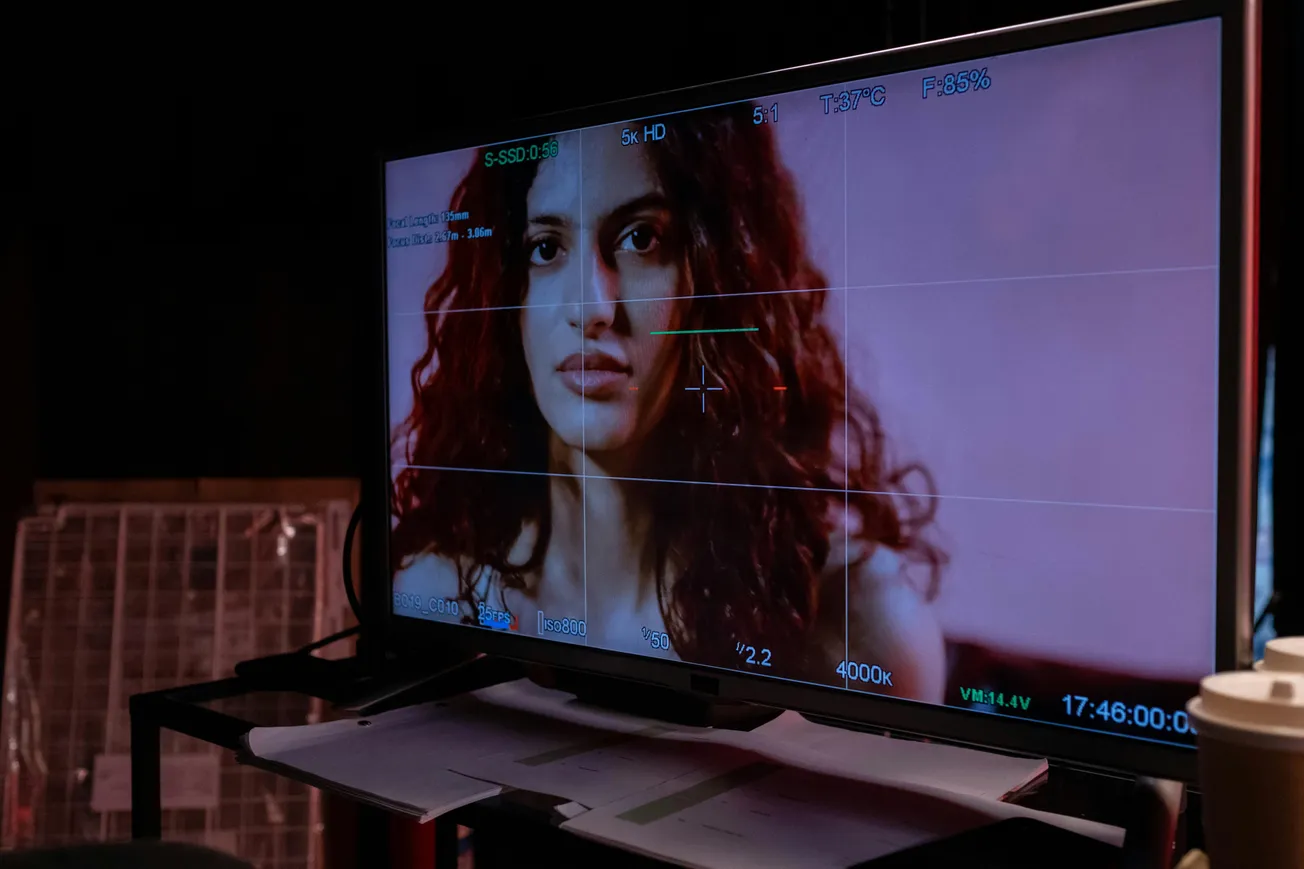
- Freeze the frame shot by shot. Study each image like a photograph.
- Ask key questions:
- What’s the lighting setup? How does it shape the subject?
- How’s the camera positioned and why?
- What does the composition communicate emotionally?
- Take notes. Write down what you see and how it affects mood, story, and character.
You’re not just watching—you’re reading the visuals the way a cinematographer would.
Compare Your Work to the Pros
Once you’ve dissected professional frames, apply that lens to your own footage:
- Place your frame beside the professional example.
- Notice differences in contrast, lighting direction, color, and framing.
- Ask yourself what’s missing or what could be improved.
Often the gaps in your work become obvious: perhaps your lighting feels flat or your subject lacks separation from the background. This comparison accelerates learning far more effectively than generic tutorials.
Study Lighting First
Lighting is central to cinematic imagery—it shapes mood, volume, and visual hierarchy. Break down how light behaves in your chosen films:
- Direction and source: Where is the light coming from?
- Intensity: How bright or soft is it?
- Motivation: Does it feel natural or stylized?
Start with fundamentals like three‑point lighting (key, fill, backlight) before moving into motivated or creative lighting strategies.
Understanding light is foundational because it affects everything else you do in a scene.
Plan Before You Shoot
This analytical practice shouldn’t just stay theoretical: use it in your pre‑production. When you know what you want a shot to look like, you can plan a lighting setup, camera placement, and movement with confidence instead of guessing on set. Sakurai emphasizes that walking onto a shoot with a visual plan dramatically improves execution.
Shot lists, storyboards, and reference stills from films you’ve analyzed all help translate insights into action.
Keep Learning From Diverse Work
Great cinematography isn’t one style or formula; it’s a range of visual languages that serve different stories. Study a variety of filmmakers—from Roger Deakins’ controlled, painterly lighting to more experimental approaches that break conventional rules. No Film School highlights both ends of the spectrum to show that understanding why a choice works gives you the freedom to choose it yourself.
The Payoff: Intentional Visual Storytelling
Deliberate practice through analysis builds a filmmaker’s most valuable skill: intentionality. Instead of relying on instinct alone, you’ll begin knowing what visual choices will elevate your narrative, mood, and emotional impact long before the camera rolls.
At its core, cinematography is the art of capturing light and movement to tell a story visually. Breaking down your favorite films shot by shot doesn’t just make you better—it trains you to think like a cinematographer.
More about cinematography:
 Nathan Sellars
 Nathan Sellars
 Staff Report