
Defining a New Category of Wireless Audio
The release of the Sennheiser HDB 630 represents a strategic pivot for the storied audio manufacturer, aiming to satisfy the demanding ears of audiophiles without the tether of a physical cable. While the market is saturated with consumer-grade noise-canceling headphones, the HDB 630 differentiates itself by prioritizing acoustic integrity and high-resolution transparency.
This model is not a direct successor to the popular Momentum series but rather a high-fidelity alternative designed for listeners who refuse to compromise on soundstage and detail while on the move.
Technical Architecture and Build Quality
At the heart of the HDB 630 lies a 42 mm dynamic transducer system manufactured at Sennheiser's state-of-the-art facility in Ireland. The chassis borrows ergonomic elements from the Momentum 4 but introduces significant internal modifications, including a new magnet damper and revised back volume to achieve Hi-Res certification.
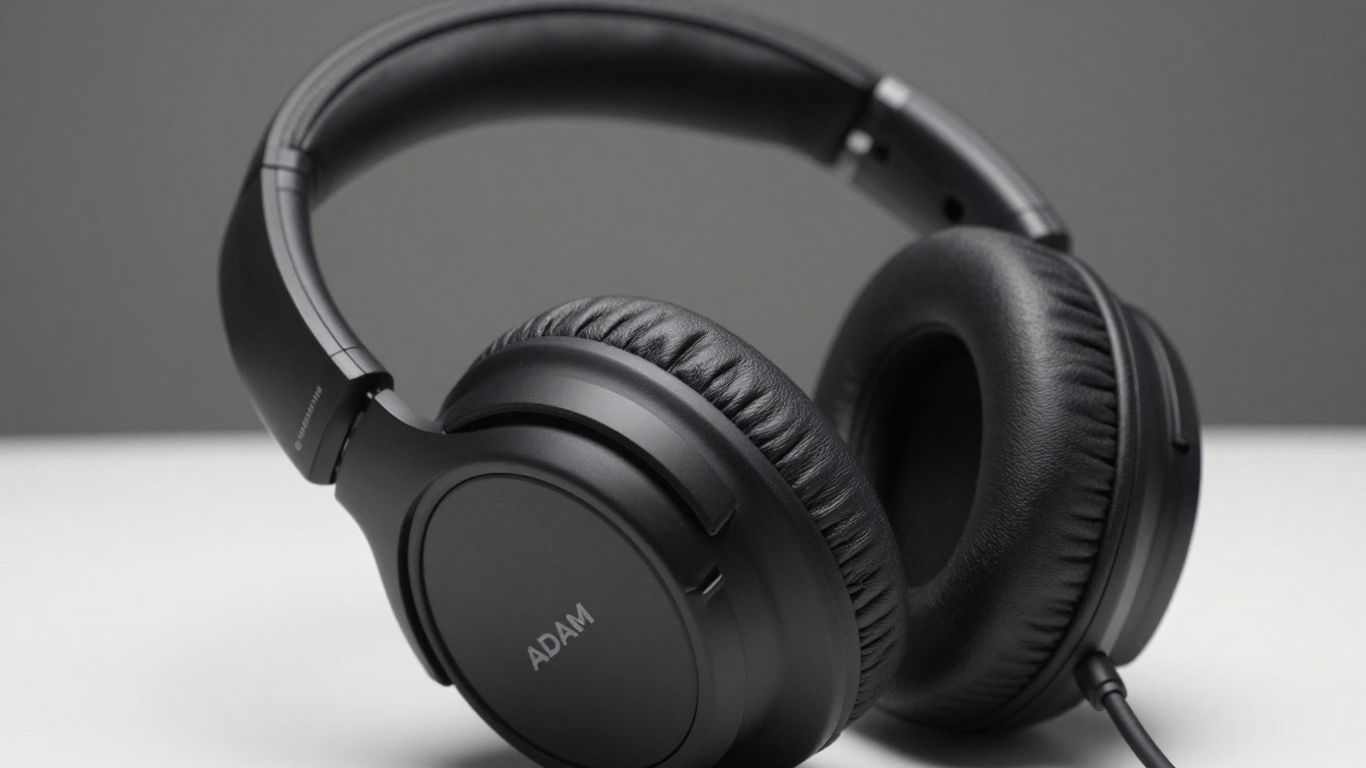
The exterior features a refined aesthetic with matte black finishes and silver accents, utilizing Japanese leatherette for the ear pads and headband. This combination ensures a durable, professional feel that remains comfortable during extended mixing or monitoring sessions.
Connectivity and the BTD 700 Advantage
One of the most notable inclusions in the HDB 630 package is the BTD 700 USB-C Bluetooth dongle. This accessory effectively upgrades any class-compliant source—such as a smartphone or laptop—into a high-resolution aptX Adaptive transmitter. This allows the headphones to maintain a stable, low-latency connection capable of 24-bit/96 kHz audio.
For professionals working in video editing or podcast production, this reduces the sync issues often associated with wireless monitoring. Additionally, the HDB 630 supports direct USB-C to USB-C audio, bypassing Bluetooth entirely for a completely uncompressed signal path.
Acoustic Performance and Innovative DSP
The sound signature of the HDB 630 is characterized by its neutrality and surgical precision. Unlike many consumer wireless headphones that emphasize sub-bass at the expense of clarity, the HDB 630 offers a tight, articulate low end that stays behind the midrange.
The midrange itself provides exceptional detail retrieval, making it easier to identify subtle vocal inflections or instrumental textures. Furthermore, the inclusion of a "Crossfeed" feature—inspired by the legendary HE 1 system—allows for a more natural, speaker-like stereo image by subtly blending the left and right channels, which is particularly useful for analyzing older, hard-panned recordings.
Advanced Control Through Smart Integration
Sennheiser has integrated a proper five-band parametric EQ into the Smart Control Plus app, granting users granular control over the frequency response. This is a significant departure from the standard "bass/mid/treble" sliders found in most apps, allowing creators to dial in specific Q-factors and frequencies to suit their environment or personal preference.
Despite its focus on fidelity, the HDB 630 does include Active Noise Cancellation (ANC), though it is tuned to be less aggressive than competitors to preserve the natural timbre of the music. With a 60-hour battery life and fast-charging capabilities, it is built for the rigors of modern content creation workflows.
Conclusion for Creators and Businesses
The Sennheiser HDB 630 serves as a bridge between the recording studio and the mobile office. For small businesses and content teams, it provides a versatile tool that can handle everything from high-stakes client calls to critical audio editing.
While the price point reflects its premium positioning, the combination of high-resolution wireless performance and professional-grade DSP makes it a compelling investment for those who view audio quality as a non-negotiable component of their brand identity.
Detailed technical specifications and frequency response charts can also be found in the full evaluation at The Absolute Sound.
More about headphones:
 Staff Report
 Staff Report
 Staff Report