
Remote Integration Model (REMI) production — also known as “at-home” or remote production — is transforming how live video events are created. As live streaming grows across business, education, entertainment, and events, REMI workflows are helping teams produce more with less by centralizing operations.
How REMI Production Works
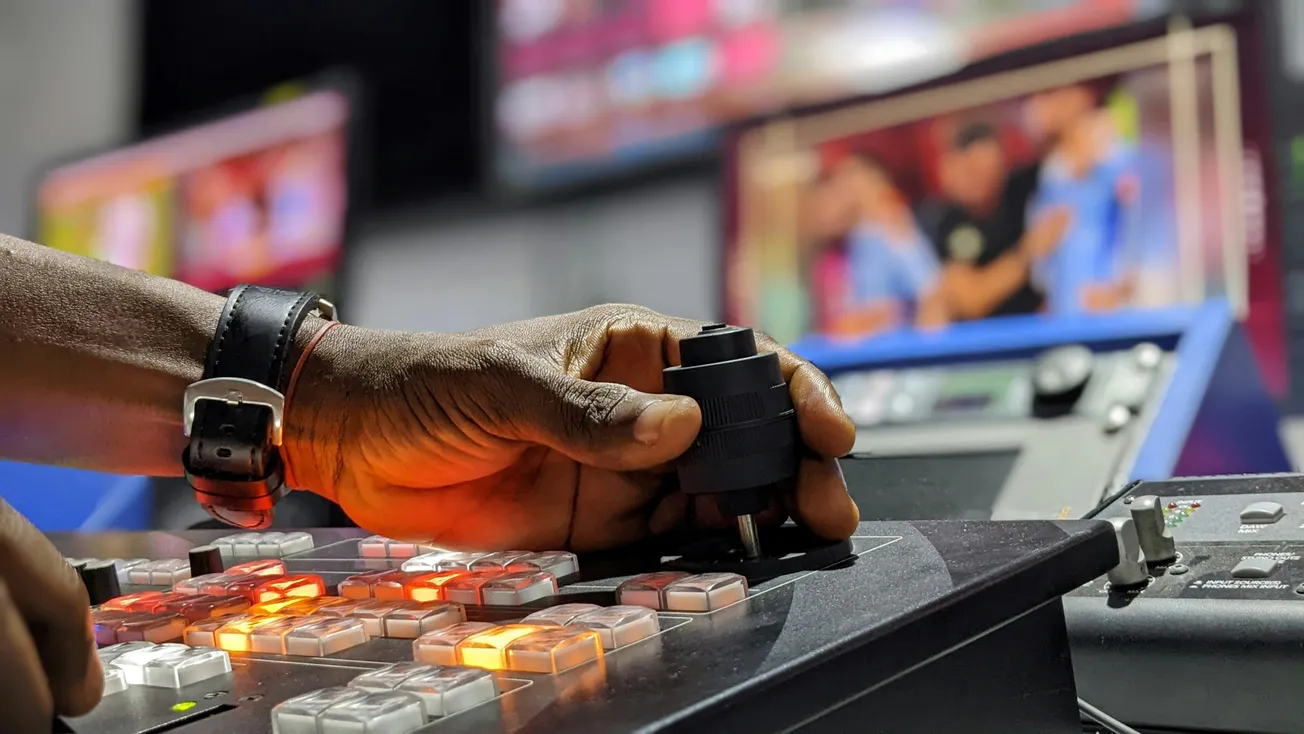
In a REMI setup, camera feeds and audio from a remote event are sent over the internet to a centralized control room or studio. From there, producers handle switching, graphics, audio mixing, and final streaming — without needing to be on-site.
This model eliminates the need to send full production crews and equipment to every location, enabling scalable, cost-effective content creation.
Key Benefits of REMI Production
1. Cost Efficiency
REMI dramatically cuts travel and equipment costs. Instead of deploying multiple teams and OB trucks to different venues, a single crew can manage multiple events from one location. This allows smaller teams to cover more ground without compromising quality.
2. Greater Flexibility
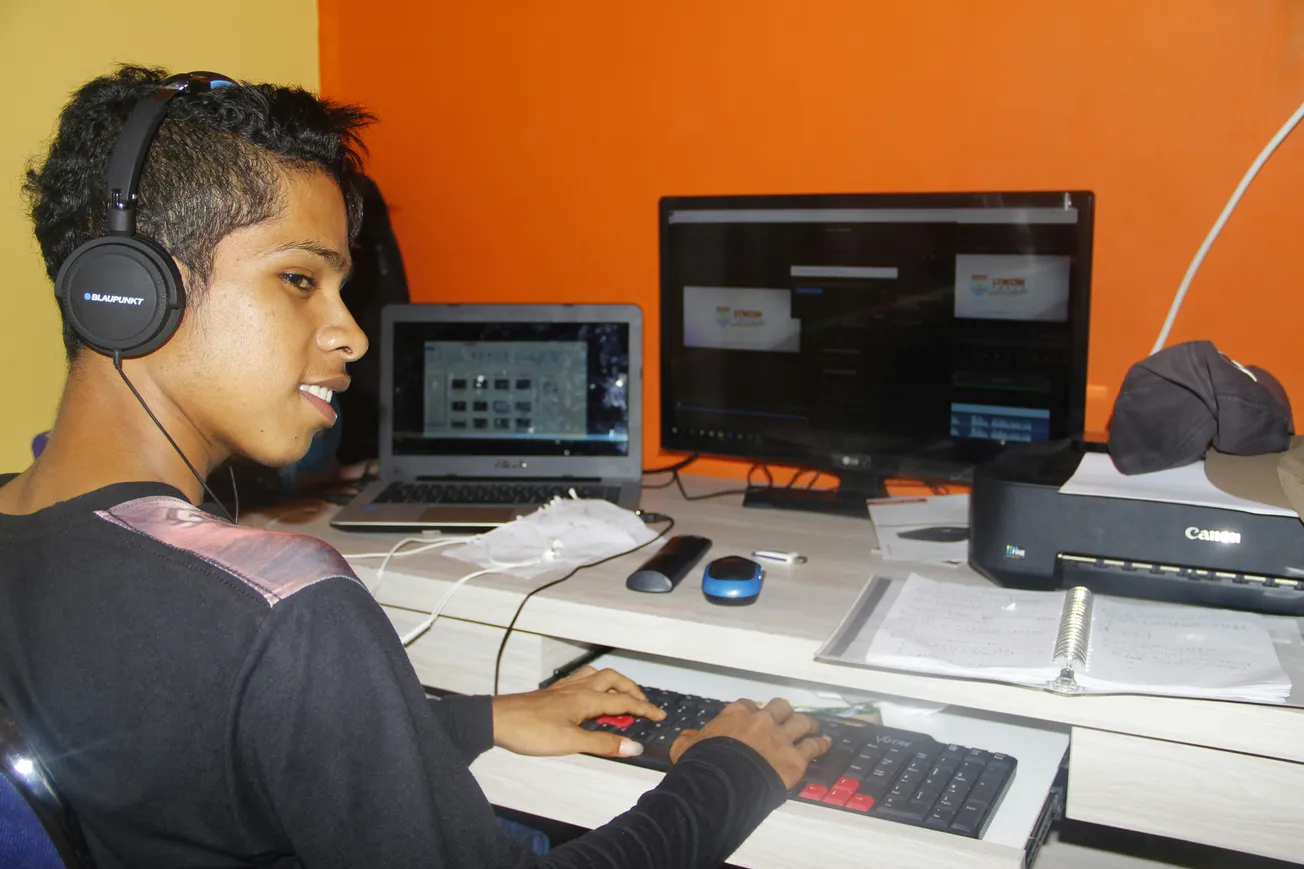
With REMI, production staff can work from studios, offices, or even home setups. The flexibility helps teams pivot between events faster and produce content from locations that may be harder to access traditionally — including international venues.
3. Improved Quality Control
Centralizing the production process gives teams better oversight and consistency. It’s easier to maintain visual and audio standards, apply branding, and make real-time edits when everything runs through a unified system.
4. Enhanced Collaboration
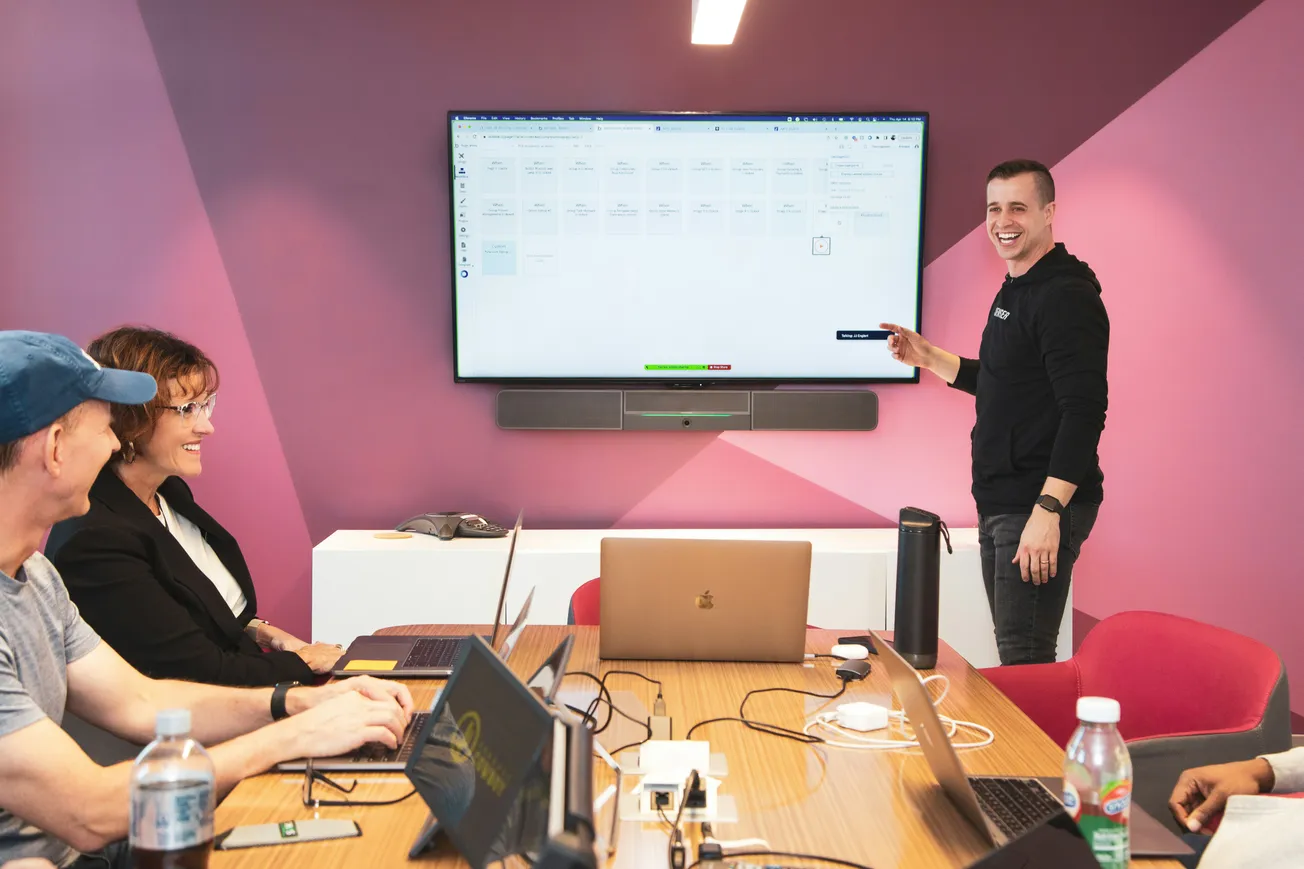
REMI production encourages smoother collaboration among remote teams. Directors, producers, editors, and graphics operators can coordinate in real-time from different cities or countries using cloud-based tools and shared feeds.
5. Sustainability
By reducing the need for on-site travel and infrastructure, REMI workflows lower CO2 emissions and energy use. As organizations prioritize greener operations, REMI provides an eco-friendly approach to content creation.
A Scalable Future for Live Events
From sports to corporate webinars and hybrid conferences, REMI production is becoming a preferred method for delivering high-quality live content efficiently. As broadband and IP-based video tools improve, this model is expected to dominate the future of remote media production.
For brands and content creators looking to scale live video without scaling costs, REMI offers a smart, sustainable solution.