
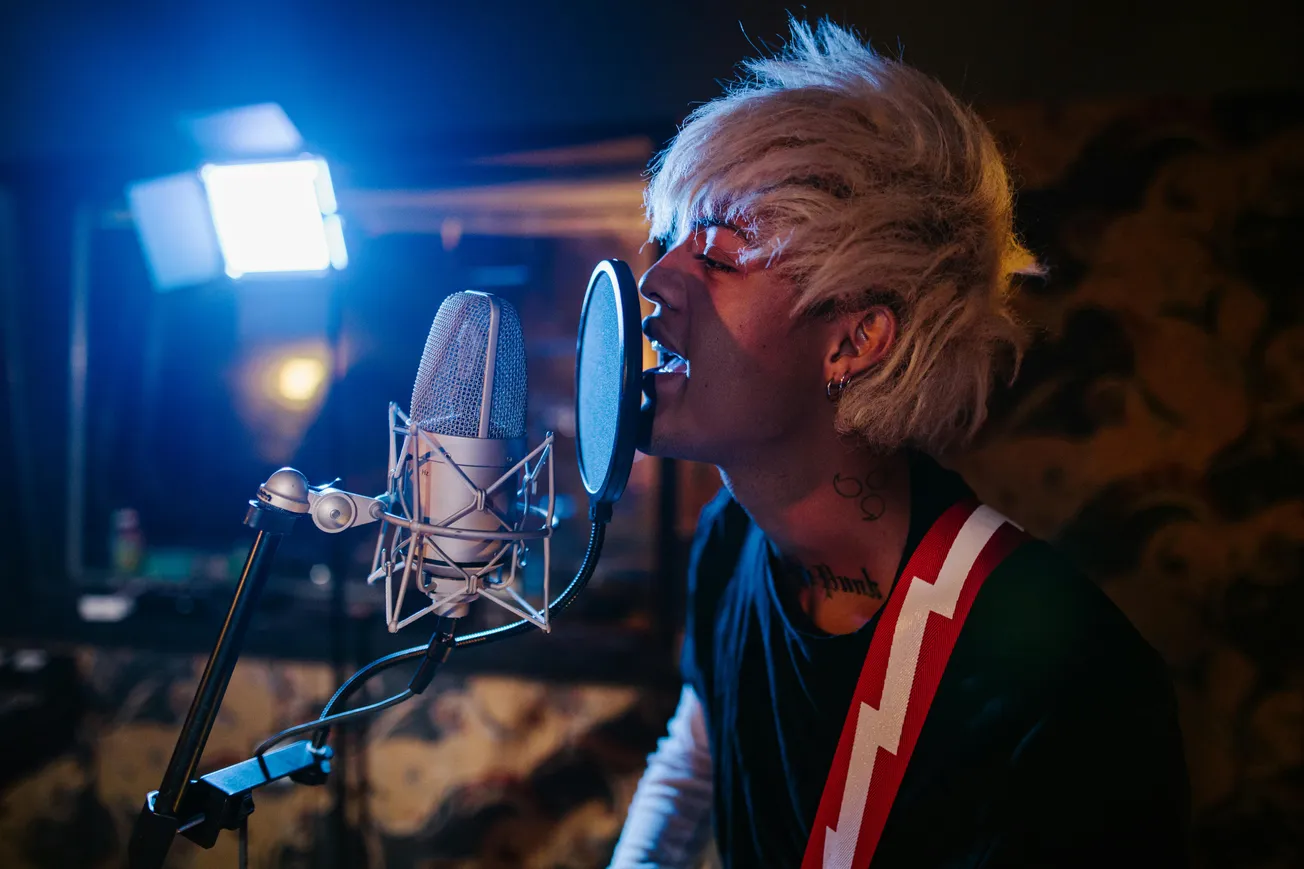
A rising chorus in the podcasting world may be brewing — and it sounds a lot less polished. In a recent opinion piece for JournalismUK, Dan McLaughlin predicts the emergence of “punk podcasters” as a cultural pushback against overly produced, AI‑driven audio formats and celebrity‑led shows.
This potential movement, he argues, would return to podcasting’s roots: simple, raw, community‑centric audio made for genuine listeners, not sponsors or algorithms.
From Glossy to Gritty: A New Wave of Podcasting
McLaughlin — a seasoned podcast editor — calls out the current trend toward high‑budget, video‑first productions and AI‑generated series that feel more like mini TV shows than DIY audio. He suggests that this mainstream shift has pushed the medium away from what many first fell in love with: authentic voices in unconventional places responding to their own communities.
In contrast, “punk podcasters” would abandon pursuits of high download counts and sponsor dollars in favor of unfiltered content produced “for the hell of it,” recorded in real‑world locations and grounded in genuine human experience. The term nods to the ethos of punk rock — prioritizing passion, authenticity, and accessibility over slick production or commercial polish.
Why Would This Movement Emerge?
The punk podcasting idea resonates against the backdrop of AI‑generated content and algorithm‑driven creation that’s reshaping the industry. As automated tools make it easier for anyone to churn out professional‑sounding podcasts, some creators fear the human touch — irregularities, personal voice, unique perspectives — is being sidelined.
Critics argue that while AI can drive efficiency, it can also produce content that feels impersonal or formulaic, lacking the emotional depth listeners crave.
The punk podcasting concept echoes broader creative movements that resist over‑commercialization and over‑engineering. This includes calls within audio communities to embrace DIY formats, tell stories with “rough edges,” and keep production transparent and human first — even if the result isn’t polished.
What Punk Podcasting Might Look Like
A "punk podcaster" might:
- Record outside studios — in parks, at community events, or around the kitchen table
- Focus on local stories and voices often overlooked by mainstream shows
- Use minimal equipment, prioritizing message over fidelity
- Avoid chasing ads or metrics in favor of pure creativity and connection
This ethos parallels movements in other creative fields — music, zines, video — where passion projects flourish outside mainstream monetization systems.
A Cultural Reaction, Not a Replacement
McLaughlin frames punk podcasting not as a total rejection of innovation, but as a counterbalance — a space where real voices and imperfect storytelling reclaim their place alongside professional, AI‑assisted content.
If the idea catches on, it could expand what listeners and makers value in the medium, reminding the industry why podcasting began in the first place: a human voice, unfiltered and unafraid.
Want to grow your podcast or video content?
Explore how PodcastVideos.com can help you plan, record, edit, and publish content that builds your brand and engages your audience — all with less friction.