
Filmmaking has long balanced practical effects — tangible, on‑set techniques — against computer‑generated imagery (CGI), and that debate remains alive in 2025. NoFilmSchool explores why many creators and audiences still value practical effects’ authenticity, even as CGI continues revolutionizing visual storytelling.
What Are Practical Effects and CGI?
Practical effects are physical effects captured live on set — think puppets, miniatures, makeup, animatronics, and stunts — created without digital post‑production. These effects interact directly with actors and lighting, giving scenes a tactile presence that can deepen immersion.
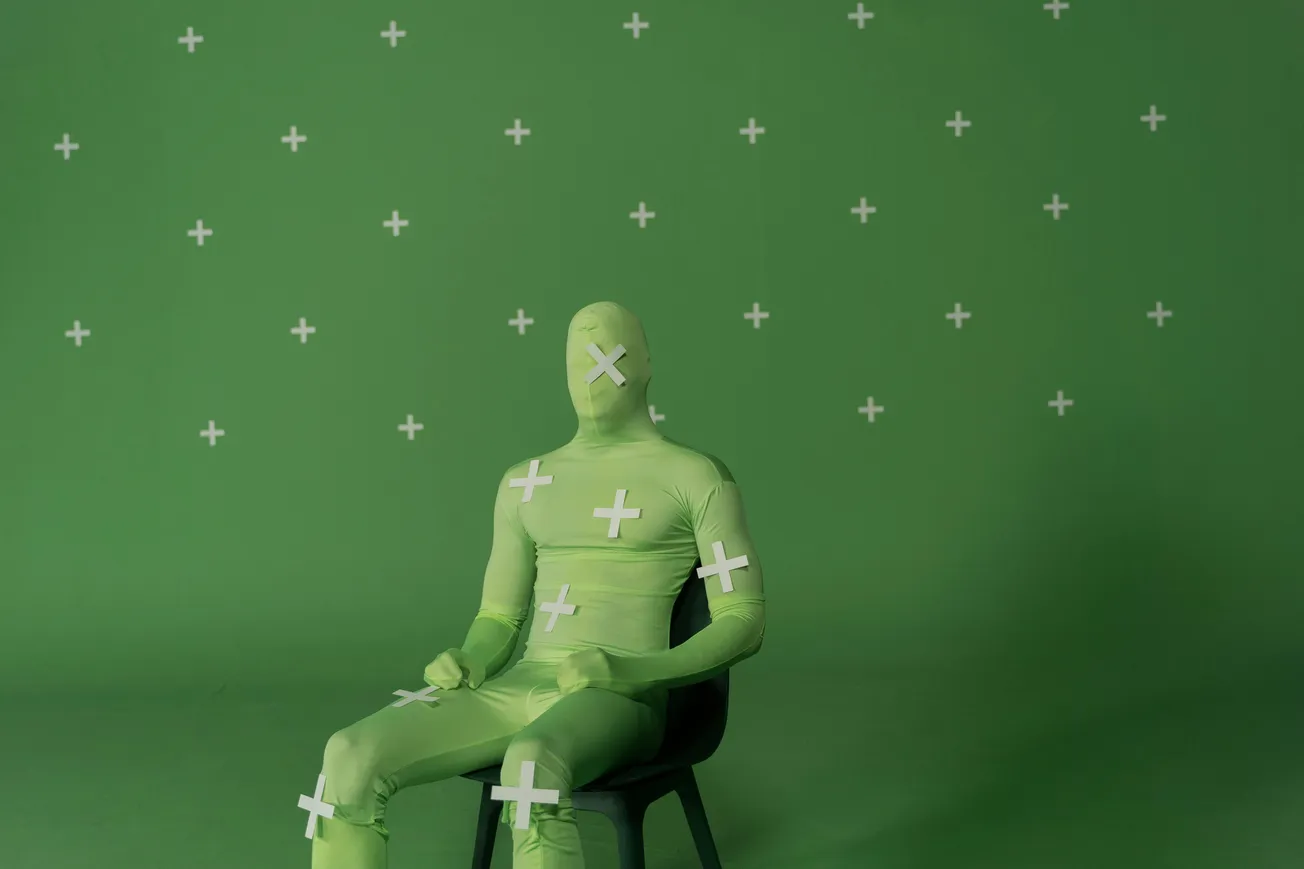
CGI (computer‑generated imagery) uses digital tools to create visuals that would be impractical or impossible to film in reality. It powers sweeping digital landscapes, creatures, physics‑defying sequences, and immersive worlds — from fantasy epics to sci‑fi blockbusters.
Why Practical Effects Still Resonate
Many filmmakers and critics argue that practical effects connect emotionally with audiences in a way CGI sometimes can’t. When physical objects occupy real space and interact with light and actors, scenes feel grounded and believable, and performances can be more natural and reactive.
NoFilmSchool’s coverage points out that audiences’ brains often respond more strongly to real props or effects because they register as genuinely present — something CGI, no matter how advanced, can occasionally fail to achieve.
Practical techniques also age well. Older films with physical effects tend to maintain their charm and authenticity decades later, while dated CGI can quickly look artificial as technology evolves.
The Power and Place of CGI
CGI’s strength lies in creative flexibility and visual scalability. It enables scenes that simply can’t exist in the physical world — sprawling digital environments, fantastic creatures, and seamless integrations of visual layers. For many mainstream films, CGI is indispensable for achieving the director’s vision.
Moreover, CGI can streamline production: it lets filmmakers adjust visuals in post‑production without costly reshoots on location or rebuilding sets. That flexibility is one reason CGI dominates much of modern blockbuster cinema.
The Hybrid Approach: Best of Both Worlds
Most contemporary productions no longer treat practical and CGI as mutually exclusive. Instead, filmmakers blend both techniques to maximize realism and creativity. Practical effects provide a physical foundation that actors can interact with, while CGI enhances or expands those elements beyond what’s feasible with physical methods alone.
Iconic films like Mad Max: Fury Road used predominantly in‑camera effects for visceral impact, while CGI complemented sequences where necessary — a hybrid strategy that captures the strengths of both approaches.
What This Means for Filmmakers and Audiences
The practical vs CGI debate is not just technical — it reflects what people value in movies. Practical effects anchor visuals in reality and human performance, while CGI unlocks imagination and visual innovation. Understanding both helps filmmakers choose the right tools to tell compelling, emotionally resonant stories.