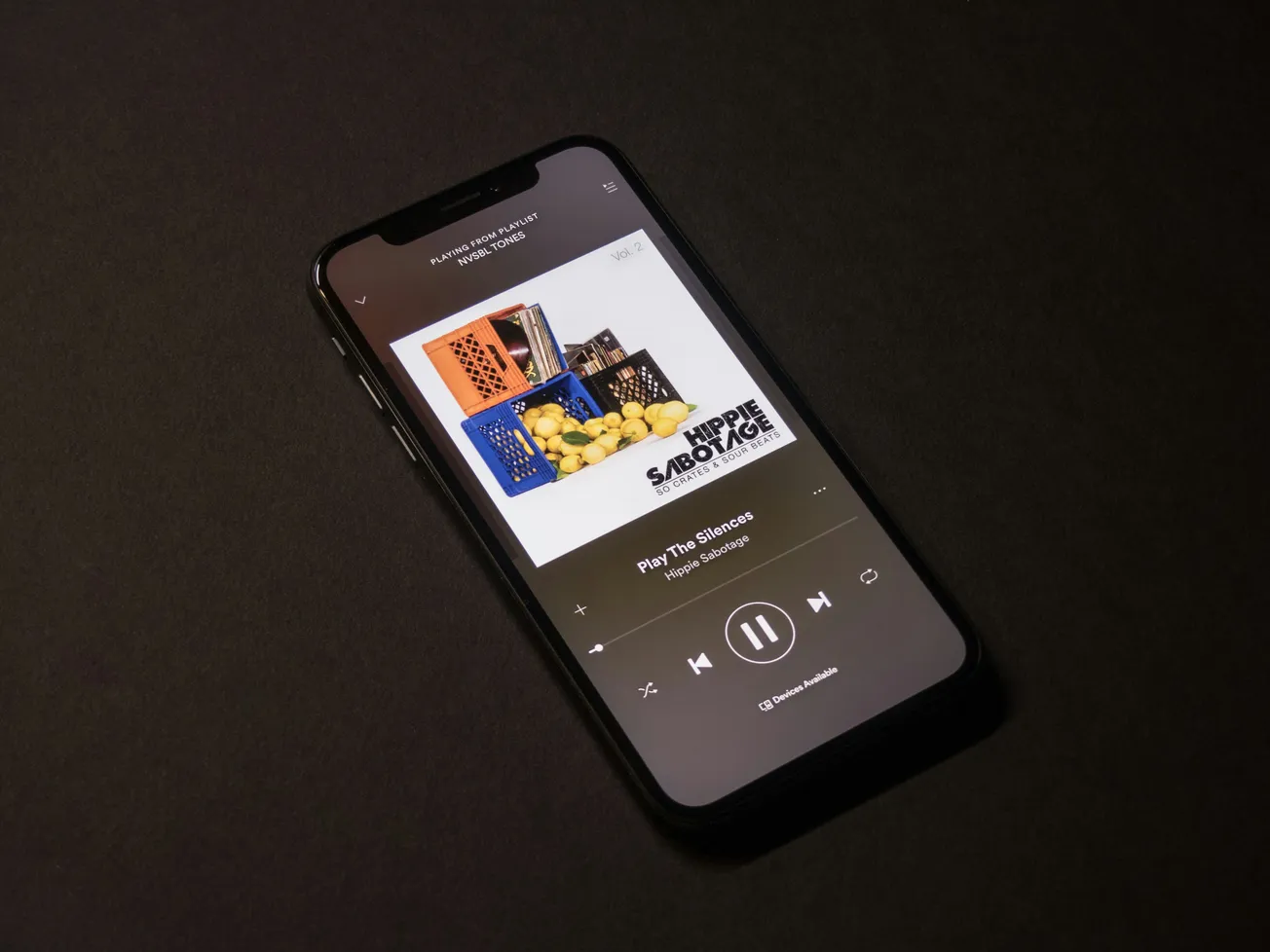
A new feature in the popular Android podcast app PodcastAddict has triggered debate across the podcast industry after an explicit image was displayed during playback of a mainstream podcast — without the creator’s knowledge or consent.
The issue centers around an automatic chapter image feature, which can generate and display images for podcast chapters even if the publisher did not include artwork. While the feature is opt-in for listeners, its output in at least one case introduced inappropriate content into a podcast feed that was originally safe for all audiences.
What Happened
The Italian podcast Digitalia recently covered a successful court appeal by a website challenging Italy’s age-verification laws. One chapter was titled “(WebsiteName) Wins.” A listener who had enabled PodcastAddict’s automatic chapter image feature saw an explicit image appear for that chapter — apparently generated or sourced automatically by the app.
Because the listener was using Android Auto, the image was also displayed on the vehicle’s dashboard screen, visible to passengers. The listener contacted the show’s host, Franco Solerio, who is also the developer of the podcast app Castamatic.
Solerio criticized the feature’s implementation, noting that injecting arbitrary content without clear indication that it did not originate from the podcast producer is problematic. If a podcaster intends to associate images with specific chapters, those images would normally be included directly in the podcast’s RSS feed metadata.
The App’s Response
PodcastAddict’s developer, Xavier Guillemane, told Podnews that the feature is opt-in and that safe search protections should have been active. He expressed surprise that such an image appeared and indicated that the company is making changes “to produce safer results.”
According to OP3 data, PodcastAddict accounts for approximately 1.8% of global podcast downloads, placing it among the top 10 podcast apps worldwide. While that percentage may appear small, it represents a substantial audience — meaning feature changes at the app level can meaningfully affect how content is experienced.
Why This Matters for Podcast Publishing
At the core of the controversy is a long-standing but largely unwritten agreement in podcasting: apps distribute and display content as publishers intend it to appear.
Podcasting operates on open RSS standards. Creators provide audio files, titles, descriptions, artwork, and optional chapter metadata. Podcast apps then render that content for listeners. While apps may offer playback enhancements such as variable speed or silence trimming, they traditionally do not alter editorial content or inject additional media.
Automatic chapter image generation blurs that line.
If an app adds images — especially images derived from search algorithms or automated systems — without clearly labeling them as app-generated, listeners may reasonably assume the content came from the podcast itself. That can create reputational risk for creators, particularly in environments like cars, classrooms, or workplaces where unintended content can have serious consequences.
The Broader Platform Question
This incident reflects a wider tension in digital media platforms: how much control should apps have over presentation layers?
AI-driven enhancements, auto-generated artwork, summaries, and transcripts are increasingly common across media platforms. While these features can improve accessibility and engagement, they also introduce the possibility of misrepresentation if not carefully implemented.
In podcasting, where brand trust is central and many shows operate independently or as small businesses, maintaining editorial integrity is essential. Even opt-in features can have unintended ripple effects if listeners misunderstand the source of added content.
What Could Improve Transparency
Several safeguards could reduce similar risks in the future:
- Clear labeling of app-generated content
- Visible toggles and explanations in settings
- Stronger filtering and safe search defaults
- Opt-in approval at the publisher level for metadata alterations
PodcastAddict has indicated that it is updating the feature to produce safer outcomes. Whether this results in stricter moderation, better filtering, or clearer attribution remains to be seen.
A Reminder for Creators and Apps
For creators, this situation highlights the importance of periodically reviewing how shows appear across different apps and devices. For app developers, it reinforces that enhancements must preserve the integrity of publisher content.
Podcasting’s open ecosystem depends on trust between creators, platforms, and listeners. When apps begin modifying or augmenting metadata without creator oversight, even with good intentions, that trust can be strained.
As podcast consumption increasingly moves into connected cars, smart speakers, and shared family spaces, presentation choices matter more than ever.
More about creator control:
 Staff Report
 Staff Report
 Staff Report