
Ever looked at microphone specs and felt completely lost? You're not alone. This video breaks down all those technical terms like element type, polar pattern, and frequency response, explaining what they mean for your recordings. It's all about making sense of the numbers so you can choose the right mic for the job, especially when recording dialogue.
Keywords:
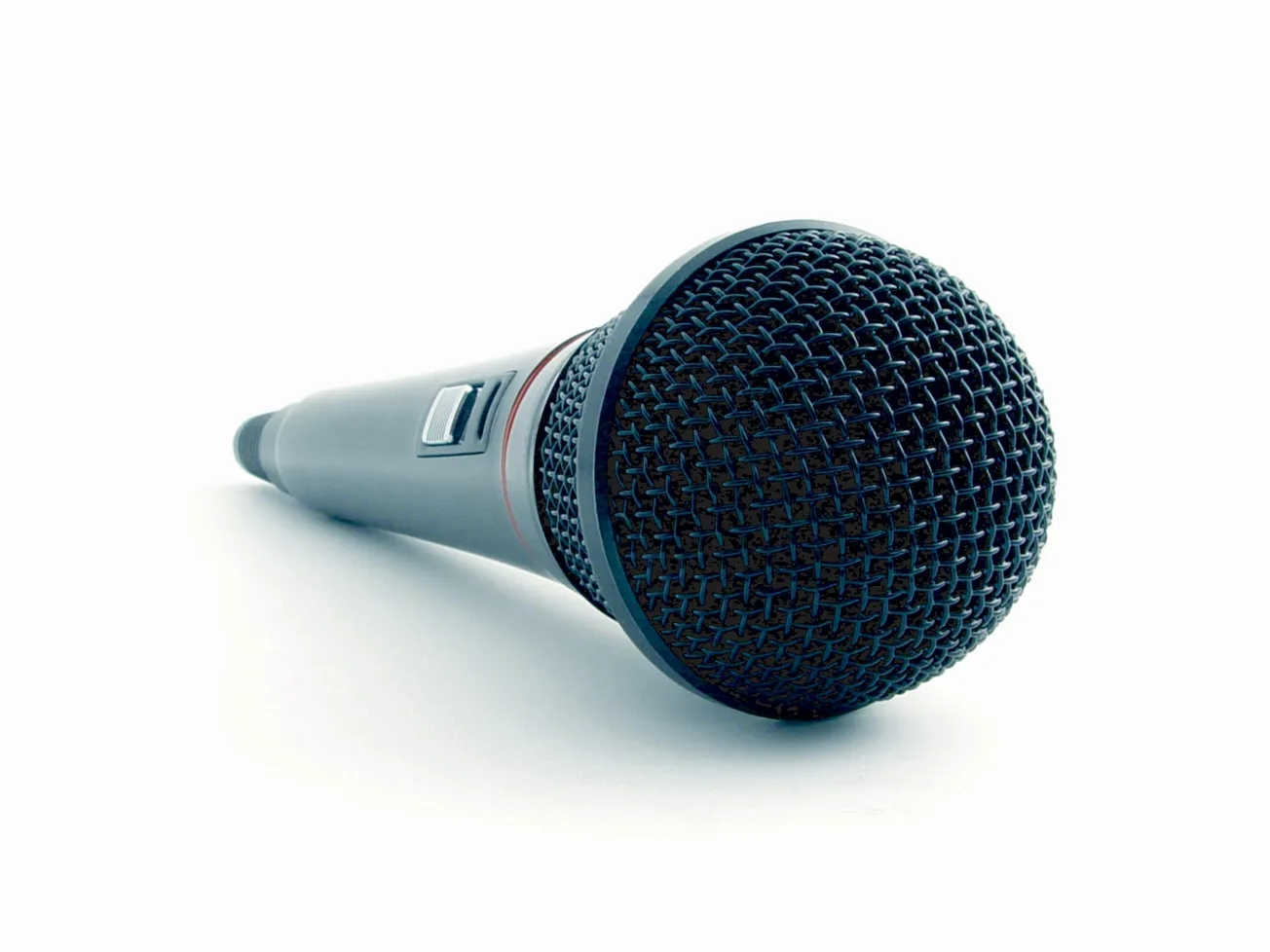
- Dynamic vs. Condenser: Dynamic mics often sound more "broadcasty" and can be good in untreated rooms when used up close. Condenser mics usually need power (like phantom power) and tend to capture higher frequencies, sounding crisper.
- Polar Patterns (Cardioid & Supercardioid): These describe how directional a mic is. Cardioid is most sensitive in front, rejecting sound from the sides and back. Supercardioid is even more focused in front but has a small sensitivity to the rear. Supercardioid is common for boom mics.
- Frequency Response: Shows how sensitive a mic is to different sound frequencies. Look for a relatively even response, but be mindful of boosts in the 5-10 kHz range which can make sibilance (like "s" sounds) harsh.
- Impedance, Sensitivity, Max SPL, Self-Noise: These specs relate to how the mic interacts with your equipment, how strong its signal is, how loud a sound it can handle without distortion, and how much noise it generates on its own.
- Power & Filters: Condenser mics often need phantom power (48V), while lavaliers might need plug-in power. High-pass filters can cut low-end rumble but can also thin out your sound if set too high.
Understanding Microphone Types: Dynamic vs. Condenser
When you're looking at microphones, one of the first things you'll see is the "element type" or "acoustic principle." This usually boils down to whether it's a dynamic or a condenser microphone. Both are good, but they have different characteristics.
Dynamic microphones often have a sound that people describe as "broadcasty," especially when you use them up close. They can sometimes emphasize the bass a bit, giving you that classic radio voice sound. Some people think dynamics are better at rejecting noise, but that's often more about how close you are to the mic than the mic type itself. If you're in a room with lots of echo (reverb), a dynamic mic won't magically fix that. However, because they need more gain, you tend to place them closer to your mouth, which naturally improves the signal-to-noise ratio. If you're in a less-than-ideal room and don't mind having the mic close, a dynamic mic can be a solid choice.
Condenser microphones are a bit different. They often need power, usually phantom power (which we'll get to later). Condensers tend to pick up higher frequencies a bit better, giving them a crisper, brighter sound. They often have an extended frequency response. While I often prefer condensers, dynamic mics definitely have their place, especially if you're out in a noisy environment like a show floor.
How Directional Is Your Mic? Polar Patterns Explained
Next up is the polar pattern, also called the pickup pattern. This tells you how directional the microphone is, which is super helpful for cutting down on unwanted noise in your recording. It doesn't actually eliminate noise, but it makes the mic less sensitive to sounds coming from certain directions, usually from behind the mic.
- Cardioid: This is the most common pattern for dialogue. It's most sensitive to sound coming from the front. It picks up less sound from the sides and even less from the back. Think of it like a heart shape, hence the name.
- Supercardioid: This pattern is even more focused on the front than a cardioid, with a narrower pickup area. It's less sensitive to sounds from the sides but does have a small sensitivity to sound coming directly from the back. This is often used for boom microphones because you want that tight focus when the mic is a bit further away from the source.
It's important to remember that these patterns aren't perfect. Sound bounces off walls, so some of that reflected sound can still reach the back or sides of the microphone. Being closer to the mic generally helps reduce the amount of room sound you pick up, no matter the pattern.
Frequency Response: What Frequencies Does Your Mic Hear?
The frequency response shows how sensitive a microphone is to different sound frequencies across the audible spectrum. When you look at a frequency response chart, you want to see how even it is. Most mics will show a drop-off in the very low and very high frequencies.
- Low Frequencies: Some mics start to roll off in the bass frequencies. If you have a very deep voice, you might want to avoid mics that have a big emphasis in the lower range (say, 40 Hz to 200 Hz) as it can sound muddy or overwhelming.
- High Frequencies: Dynamic mics tend to roll off in the higher frequencies sooner than condensers.
- The "Presence Boost": You'll often see a bump in sensitivity between 5 kHz and 10 kHz. This can make speech sound clearer, but if it's too much, it can make sibilant sounds (like "s" and "c") sound harsh and annoying.
Keep in mind that the frequency response charts you see are often averaged measurements. The actual response of your specific microphone might vary a bit.
Other Important Specs to Consider
- Output Impedance: For XLR mics, this is usually between 50 and 200 ohms. In modern gear, you usually don't need to worry too much about matching this perfectly, but as a general rule, the input impedance of your preamp should be about 10 times the output impedance of your microphone for optimal performance.
- Sensitivity (or Output Level): This tells you how strong the microphone's output signal is, or how much gain your preamp needs. Condenser mics are generally more sensitive (meaning they need less gain) than dynamic mics. If you're using a less sensitive mic like the Shure SM7B, make sure your preamp can provide at least 60-65 dB of gain.
- Max SPL (Sound Pressure Level): This is the loudest sound the mic can handle without distorting. If you're recording very loud sounds (like jet engines), you'll want a high Max SPL (130 dB or more). For dialogue or singing, 120 dB is usually sufficient. Be aware that lavalier mics sometimes have lower Max SPL ratings.
- Self-Noise: Every electronic device makes some noise. This spec tells you how much noise the microphone itself generates, usually measured in dBA. Lower numbers are better. The quietest mics are around 4 dBA, while 16 dBA or less is generally acceptable. This is different from room noise!
- Power Requirements: Condenser mics often need phantom power (usually 48V), supplied by your mixer or audio interface. Dynamic mics are generally fine even if phantom power is on. Lavalier mics often need a lower voltage called plug-in power (3-5V).
- High-Pass Filter (Low-Cut Filter): This feature cuts out low-frequency sounds, like rumble from air conditioning or handling noise. It can be useful, but be careful: if the filter's cutoff frequency is too high (e.g., 250 Hz), it can make voices sound thin and unnatural. An 80 Hz filter is often good for voice.
Understanding these specifications can seem a bit daunting at first, but knowing what they mean can really help you make better audio choices for your projects.
More about microphones:
 Dan Craft
 Staff Report
 Staff Report