
When recording video, microphone choice plays a key role in audio quality. Lavalier and boom mics are two of the most common options, each with strengths and trade-offs depending on the production needs.
Key Points:
- Lavalier mics are compact and ideal for mobile or solo setups. They offer clear, close-mic audio but can be sensitive to placement, clothing noise, and higher self-noise.
- Boom mics deliver natural, high-quality sound in controlled environments. They require more gear and setup, making them less flexible for dynamic or mobile shoots.
- Wireless systems provide freedom of movement but are susceptible to signal interference, especially in crowded RF environments.
- Ultimately, audio technique matters more than the gear. Placement, gain structure, and post-processing make the biggest difference in sound quality.
Lavalier Mics: Pros and Cons
Lavalier microphones clip onto clothing for discreet, close-up sound capture. They’re lightweight, easy to use, and ideal for interviews or talking-head content. Wireless versions add mobility but introduce risk of interference and audio dropouts. Common challenges include mic rustle, placement inconsistencies, and limited dynamic range. Self-noise can also be higher compared to boom mics.
Boom Mics: Pros and Cons
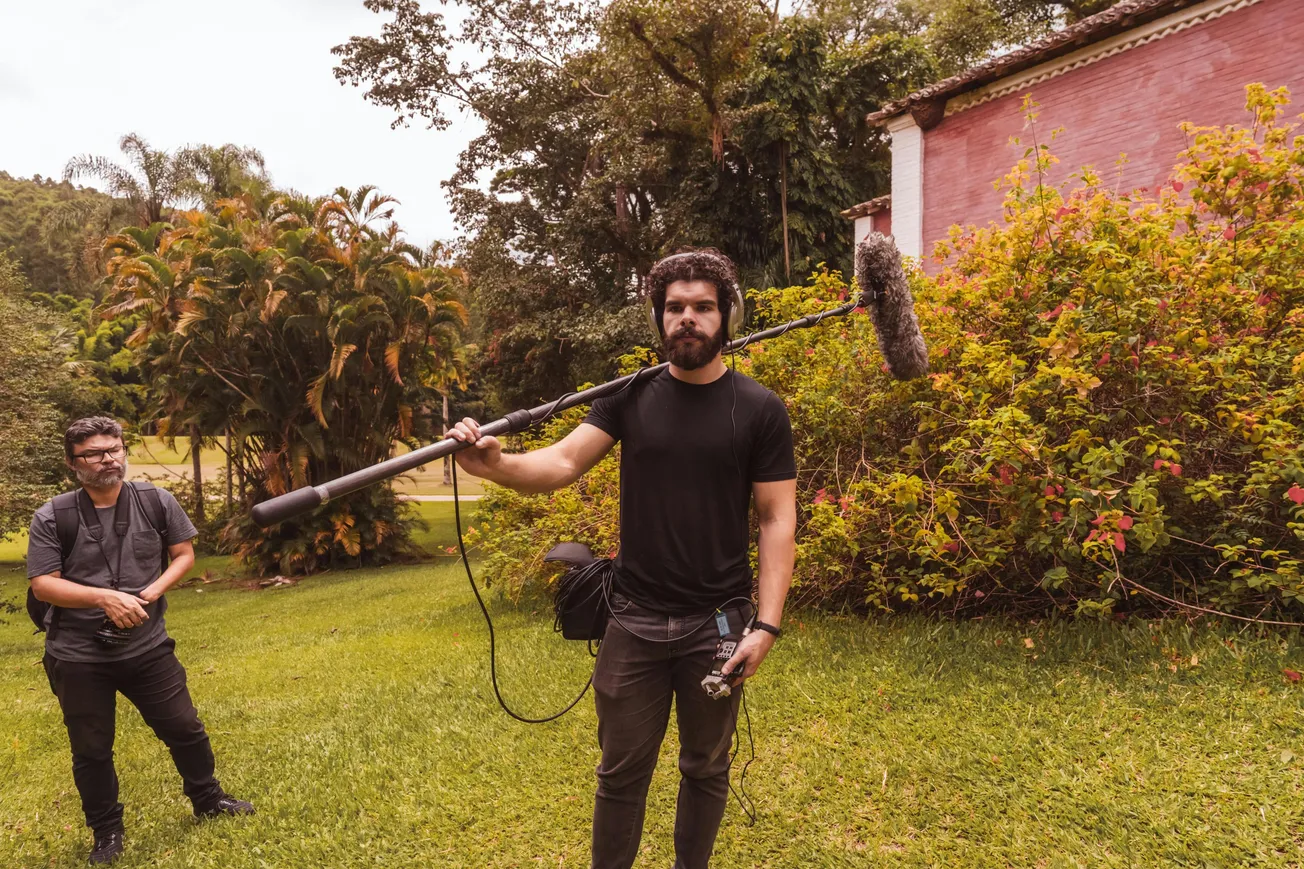
Boom microphones are positioned just out of frame, usually above the subject, and are a staple in film and professional video. They offer greater sound detail, lower self-noise, and no risk of clothing rustle. However, they require additional equipment and are harder to manage in unscripted or mobile settings.
Wireless Systems: Considerations
Wireless lav systems, particularly those using 2.4 GHz frequencies, are convenient but prone to interference. UHF systems offer better stability and more channel options but require technical setup and higher cost.
Final Advice
Choose based on environment, mobility needs, and team size. For static setups in controlled spaces, boom mics are often superior. For active shoots or solo creators, lavaliers are more practical. Regardless of mic type, skill in mic placement, gain staging, and editing is the biggest factor in capturing professional audio.