
New research into the efficacy of audio-based learning in primary education suggests that podcasts and immersive audio stories are powerful tools for student engagement. An external evaluation of OCEAN Kids: Nurdle Patrol, an audio-driven science course, found that the medium is highly effective at building student knowledge and fostering environmental stewardship.
The study, conducted by iEval and funded by the National Academies’ Gulf Research Program, highlights a growing trend of using high-quality audio production to simplify complex scientific topics for younger audiences.
The program was developed through a collaboration between Tumble Media, Associated Universities, Inc. (AUI), and the Harte Research Institute at Texas A&M University-Corpus Christi. By framing environmental education as a "Secret Agent" mission, the course uses narrative storytelling and sound design to teach students about nurdles—tiny plastic pellets that pollute waterways. The findings indicate that this active listening approach reduces classroom friction and improves information retention compared to traditional passive learning methods.
Increased Focus and Participation in the Classroom
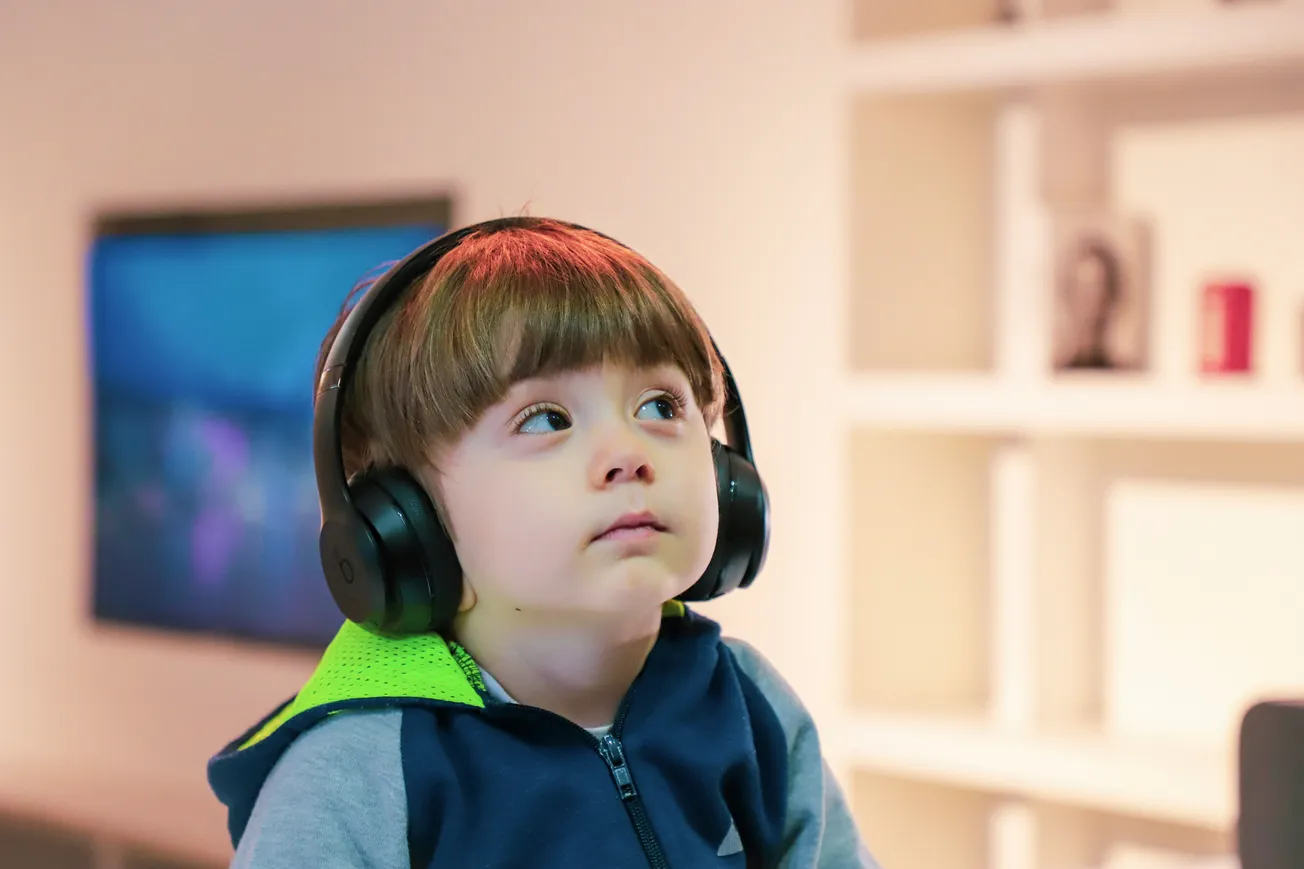
One of the most significant findings from the evaluation is the impact of audio on classroom management and student focus. Teachers involved in the study reported that even groups with reputations for being restless remained "rapt with attention" during the audio lessons. This suggests that the intimacy of audio, particularly when delivered via headphones, creates a personalized learning environment that minimizes external distractions.
Unlike video-based tools, which can sometimes lead to passive consumption, the OCEAN Kids program encourages active participation. Students were observed answering questions out loud in response to the audio host, treating the experience as a two-way conversation. This level of interactivity demonstrates how well-produced audio content can serve as a primary educational tool rather than just a supplement to textbooks or lectures.
Beyond the Classroom: Behavioral Change and Community Impact
The research also tracked the influence of audio storytelling beyond the school environment. Surveyed parents reported that children who participated in the Nurdle Patrol course showed an increased interest in environmental exploration at home. Significant shifts in behavior were noted, including students thinking more critically about plastic waste and encouraging their families to increase recycling efforts.
This data supports the idea that audio is a highly scalable medium for social impact and brand storytelling. By empowering children to become "citizen-scientists," the program translates scientific data into actionable tasks, such as spotting and reporting pollution. This workflow—moving from a digital audio experience to real-world application—provides a blueprint for businesses and organizations looking to drive community engagement through media.
Practical Implications for Creators and Educators
The success of the OCEAN Kids initiative underscores the importance of production quality in the kids’ podcasting space. The incorporation of professional sound effects and music was cited by students as a primary reason for their engagement. For creators and educators, this indicates that investing in high-quality audio software and editing is essential for maintaining the attention of younger demographics who are accustomed to high-production media.
As the industry looks toward the future of educational technology, this research provides a strong case for the integration of audio-based curriculum. The OCEAN Kids team is currently refining the program and expanding its implementation, including a forthcoming Spanish-language version. By reducing the complexity of scientific communication through narrative audio, organizations can more effectively reach and inspire the next generation of listeners.
More about education:
 Staff Report
 Staff Report
 Staff Report