
Why Audio Quality Dictates Live Stream Success
In the world of digital media, audience tolerance for technical issues is remarkably imbalanced. While viewers may overlook a slightly grainy video feed or minor lighting inconsistencies, poor audio quality often results in immediate abandonment. Clear, intelligible sound is the primary vehicle for information delivery in podcasts and live broadcasts. Without it, the value of the content is lost, regardless of the visual production quality.
For businesses, educators, and independent creators, improving live stream audio is a critical step in building authority and retaining engagement. Fortunately, achieving professional-grade sound does not always require a massive financial investment. By focusing on fundamental principles of recording and environment management, creators can eliminate friction and deliver a more polished experience to their listeners.
Investing in Purpose-Built Hardware
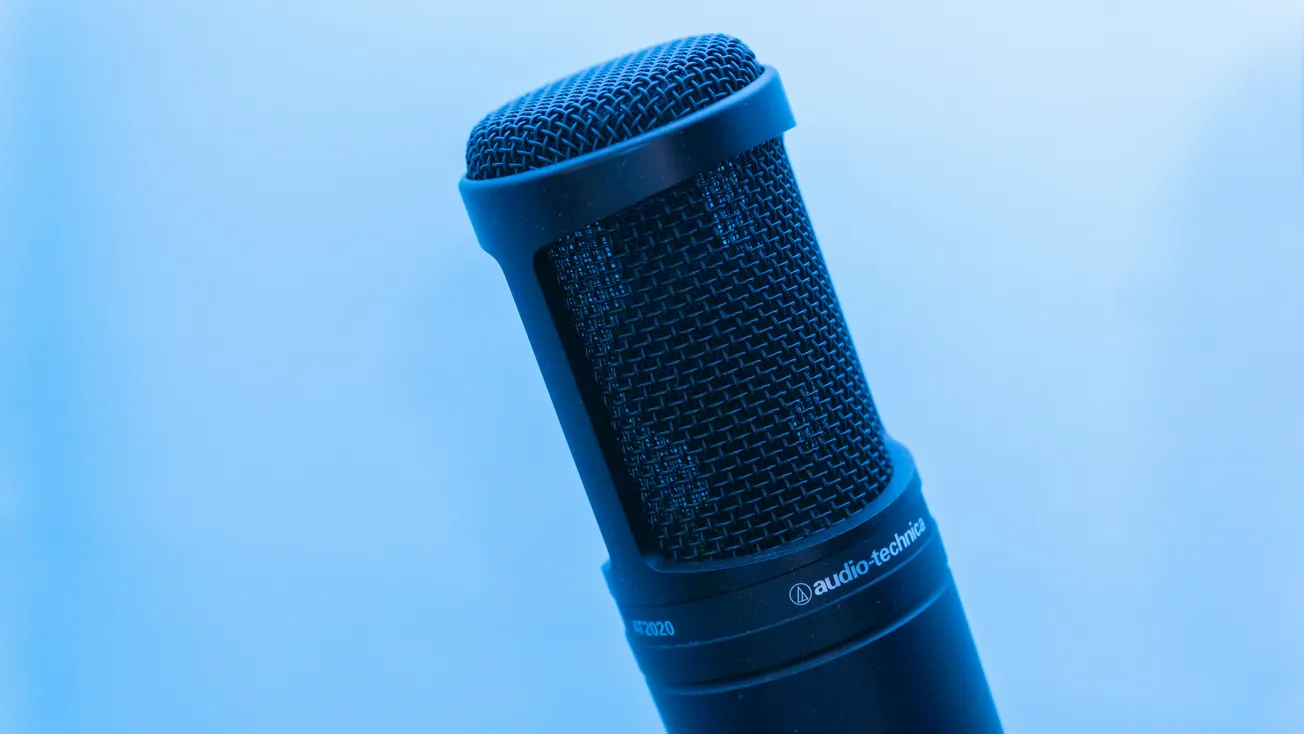
The first step in upgrading a production is moving away from built-in computer or camera microphones. These omnidirectional devices are designed to capture sound from all directions, which often includes unwanted computer fan noise, keyboard clicks, and room echoes. Investing in a dedicated microphone with a cardioid or super-cardioid polar pattern ensures that the device prioritizes the speaker's voice while rejecting peripheral noise.
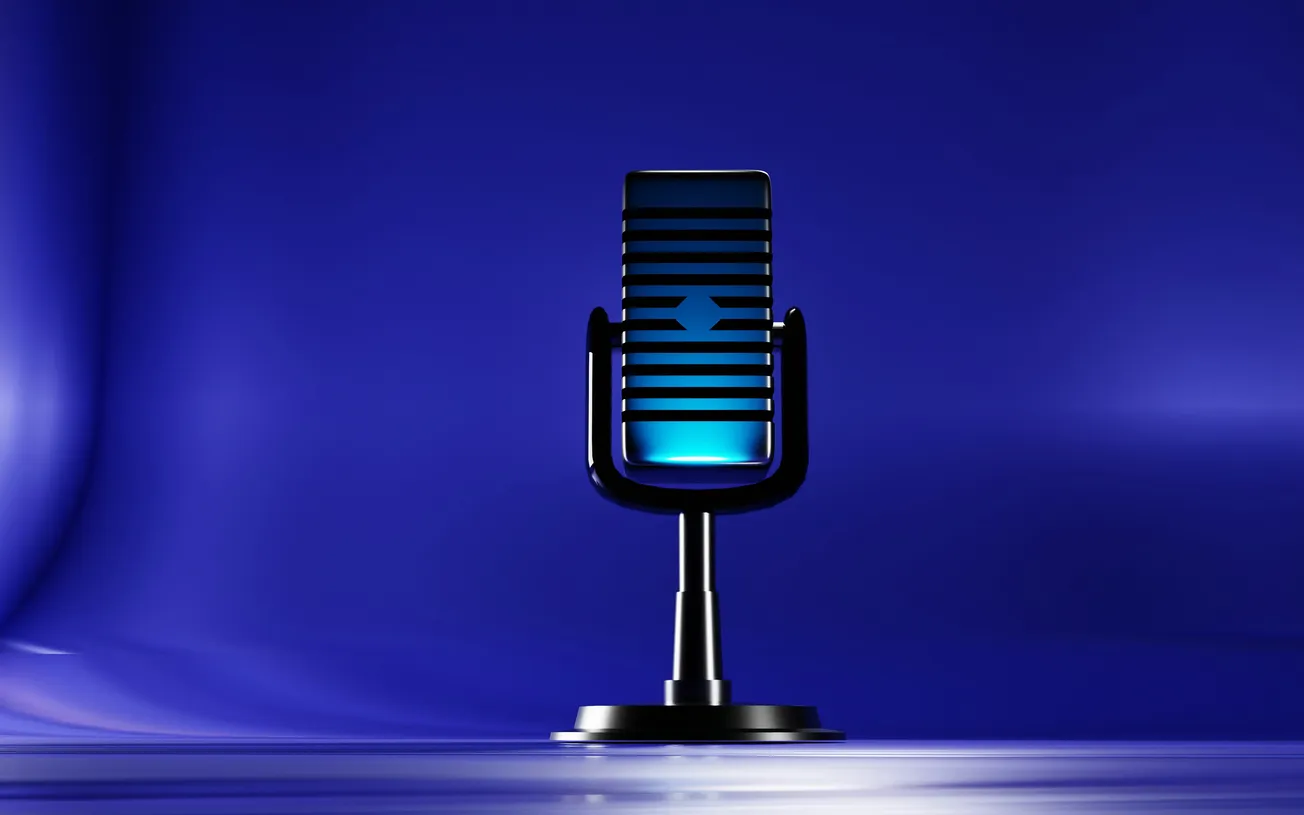
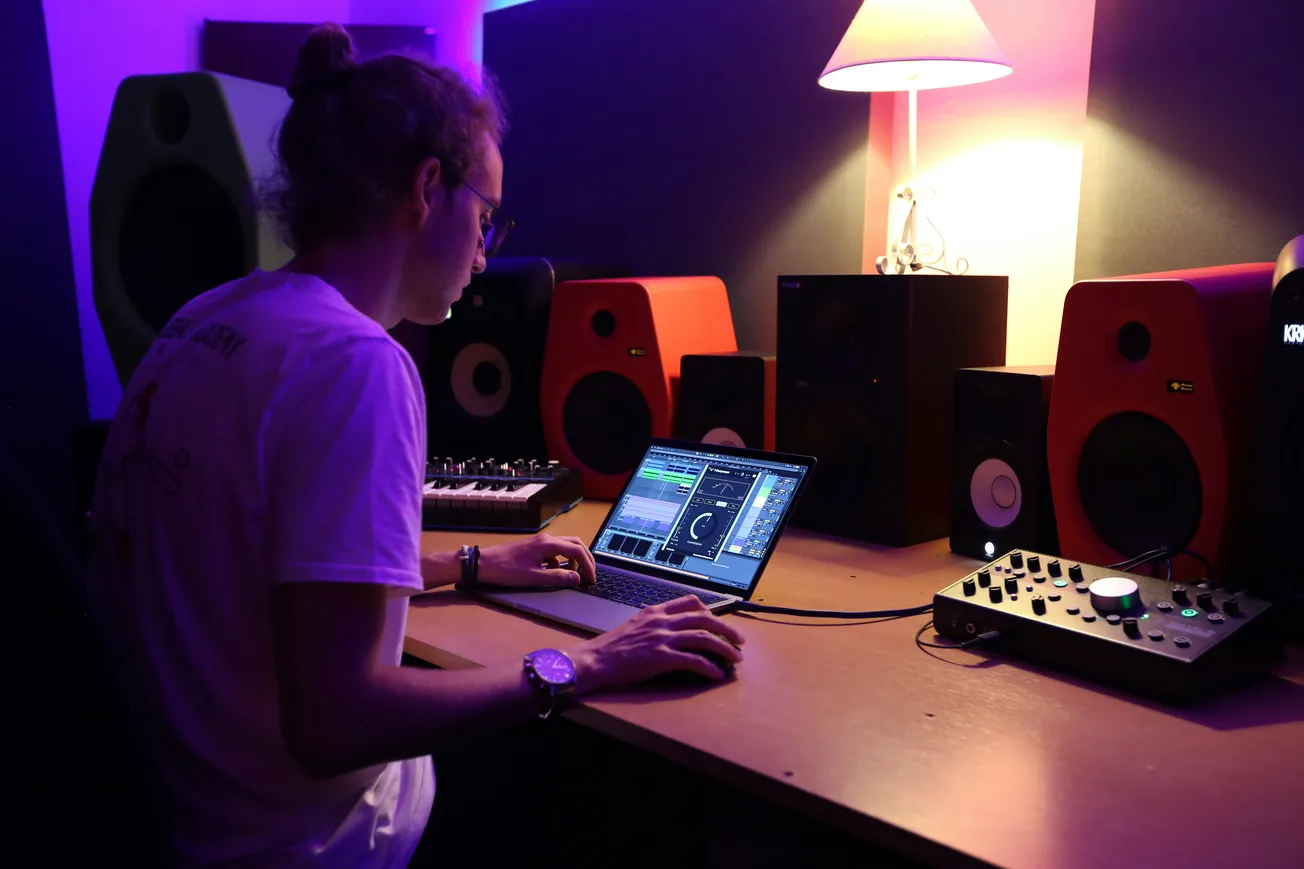
Microphone selection should be based on the specific use case. For example, a headset microphone is often ideal for creators who move frequently or lack a controlled acoustic environment, as it maintains a consistent distance from the mouth. Alternatively, a large-diaphragm condenser or dynamic microphone on a boom arm provides a richer, broadcast-style tone suitable for seated podcasting or professional webinars.
Optimizing Microphone Placement and Environment
Even the most expensive equipment will underperform if it is placed incorrectly. A general rule for clear audio is to keep the microphone between six and twelve inches from the speaker's mouth. Placing the mic too far away introduces "room tone" and reverb, making the speaker sound distant. Conversely, being too close can lead to voice distortion or "plosives"—the distracting popping sounds caused by bursts of air from letters like P and B.
The recording environment also plays a massive role in audio clarity. Hard surfaces such as bare walls, windows, and tile floors cause sound waves to bounce, creating a hollow or echoic effect. Simple solutions like adding area rugs, heavy curtains, or bookshelves can significantly dampen these reflections. For those looking for a more permanent setup, acoustic panels or specialized soundproofing materials can create a controlled "dead" space that is ideal for high-quality audio capture.
Leveraging Software Tools and Testing
Modern streaming platforms like StreamYard offer built-in features to help manage audio quality in real-time. Enabling echo cancellation and noise suppression can filter out minor background humming and prevent audio feedback during multi-guest interviews. However, these software solutions should be viewed as enhancements rather than replacements for a good recording environment.
Before going live, conducting a test stream is essential. This allows creators to monitor audio levels across different devices, such as mobile phones and laptops, ensuring the mix is balanced for all audience segments. Listening through headphones during the test helps identify subtle issues like electrical interference or background distractions that might not be audible through standard speakers.
The Human Element of Audio Production
Technical proficiency is only half of the equation; the way a creator speaks also influences the listener's experience. Maintaining a consistent volume and pace helps the audience follow the narrative without strain. Articulation and intentional pausing prevent the "rambling" that often occurs when a speaker is nervous. By treating the live stream as a direct conversation with a single person, creators can maintain a natural, engaging tone that complements their professional audio setup.
By implementing these strategies, businesses can scale their media efforts with confidence, knowing their message is being delivered with clarity. High-quality audio is not just a technical requirement; it is a fundamental component of effective storytelling and brand communication.
More about audio:
 Staff Report
 Staff Report
 Staff Report