
Wes Anderson’s style is one of the most easily recognized in modern filmmaking — a blend of color‑driven storytelling, perfect symmetry, deadpan humor, and meticulously crafted sets. If you want to emulate his cinematic approach, it’s not just about quirky dialogue or vintage costumes. It’s about constructing a visually coherent world where every frame feels intentional and emotionally expressive.
Here’s how to recreate the Wes Anderson effect in your own work, with a particular focus on color palette and composition.
Start With the Color Palette
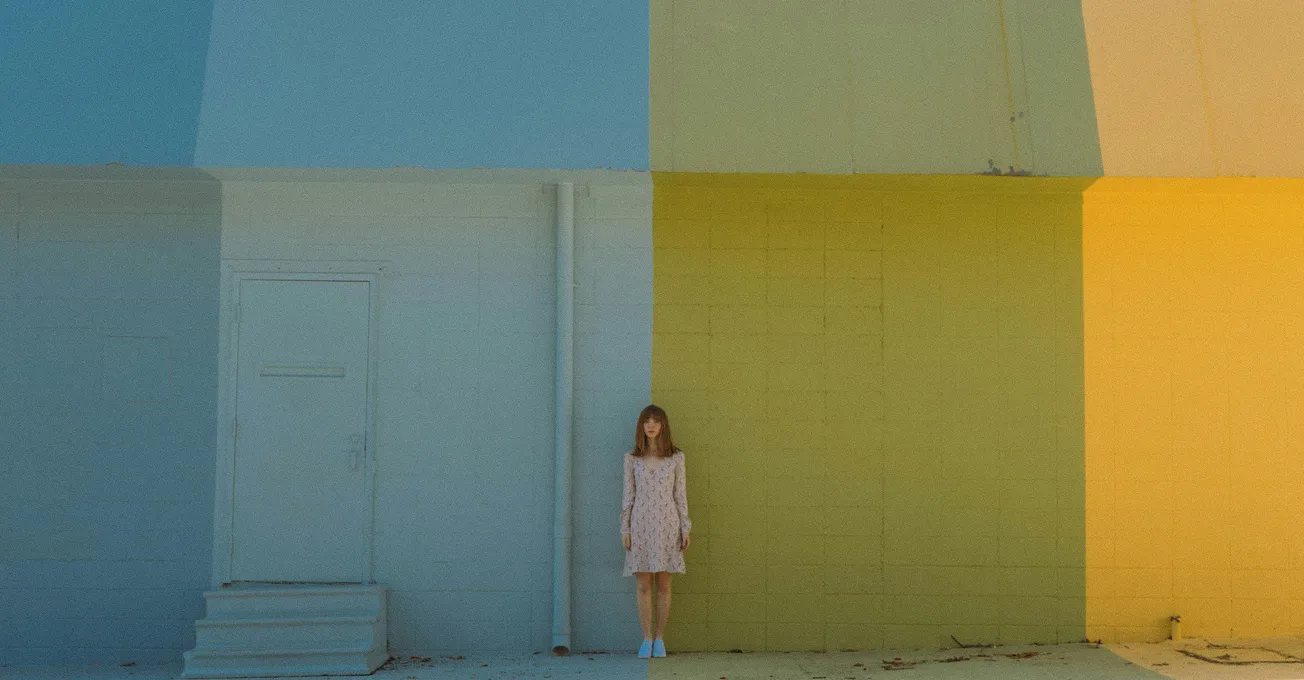
Wes Anderson’s films use limited, harmonious color schemes that reinforce the tone and emotional arc of each story. Rather than random color grading in post, Anderson’s approach begins with preselected palettes that influence costumes, set design, props, and lighting.
To do this yourself:
- Pick 3–5 core colors before filming — often one dominant, two complementary, and a few accents.
- Match costumes and set pieces to these tones to create visual unity.
- Use tools like Adobe Color or Coolors to test combinations (e.g., mustard yellow, teal, and rust for a vintage adventure feel).
Examples:
- Moonrise Kingdom uses muted greens and mustard tones for a nostalgic, outdoorsy vibe.
- The Grand Budapest Hotel features pinks, purples, and reds to evoke a surreal, fairytale world.
Shoot With Symmetry and Center Framing
Symmetry is Anderson’s signature move. Nearly every shot is composed with central subjects, perfect balance on each side, and straight-on camera angles.
To emulate this:
- Use a tripod and lock your shots in place.
- Align the subject dead center and build the scene around it.
- Frame hallways, doors, or windows symmetrically for depth.
- Avoid handheld shots unless breaking style intentionally.
Apps like Artemis Pro can help pre‑visualize shots, while grid overlays in your camera or editing software will help maintain alignment.
Use Flat Camera Moves and Deliberate Zooms
Anderson’s camera rarely floats. Instead, it moves laterally or vertically in straight lines — like a stage play. He also favors snap zooms for comedic emphasis.
To mimic:
- Plan side-to-side dollies, whip pans, and elevator-style tilts.
- Practice seamless transitions using match cuts or hidden wipes.
- Use zooms sparingly for comedic timing or dramatic punctuation.
Incorporate Theater‑Like Production Design
Anderson’s films often feel like living dioramas — using stylized sets, miniatures, or painted backdrops to heighten the artificiality.
Try:
- Simplifying your locations and dressing them to match your palette.
- Using flat lighting and practicals instead of moody contrast.
- Creating layered sets with visual depth — think windows, framed artwork, or foreground props.
Budget-friendly versions of this can involve repurposing thrift store items or using DIY cardboard cutouts for background design.
Write with Deadpan Dialogue and Structured Whimsy
Though this is more narrative than visual, Anderson’s scripts feature:
- Understated, witty dialogue often delivered without strong emotion.
- Characters with clear obsessions, quirks, or rigid moral codes.
- Tight, chapter-based structure with narrated interludes or stylized titles.
Edit with Precision and Purpose
Post-production ties it all together. Use color grading tools to reinforce your chosen palette and ensure consistency across scenes. Try LUTs inspired by Anderson’s films or build your own using DaVinci Resolve or Premiere Pro.
Add:
- Bold title cards in Futura or Courier fonts.
- Narration, interludes, or onscreen diagrams.
- Diegetic music and sound effects to anchor scenes in-world.
To make a film like Wes Anderson, embrace constraint. Choose a focused color palette, compose every frame like a painting, and blend structure with style. While his aesthetic is instantly recognizable, it’s his commitment to visual storytelling as an emotional language that truly sets his work apart.
By learning and adapting these techniques, creators can tell stories that are not only distinctive — but unforgettable.
More about filmmaking:
 Staff Report
 Staff Report
 Staff Report