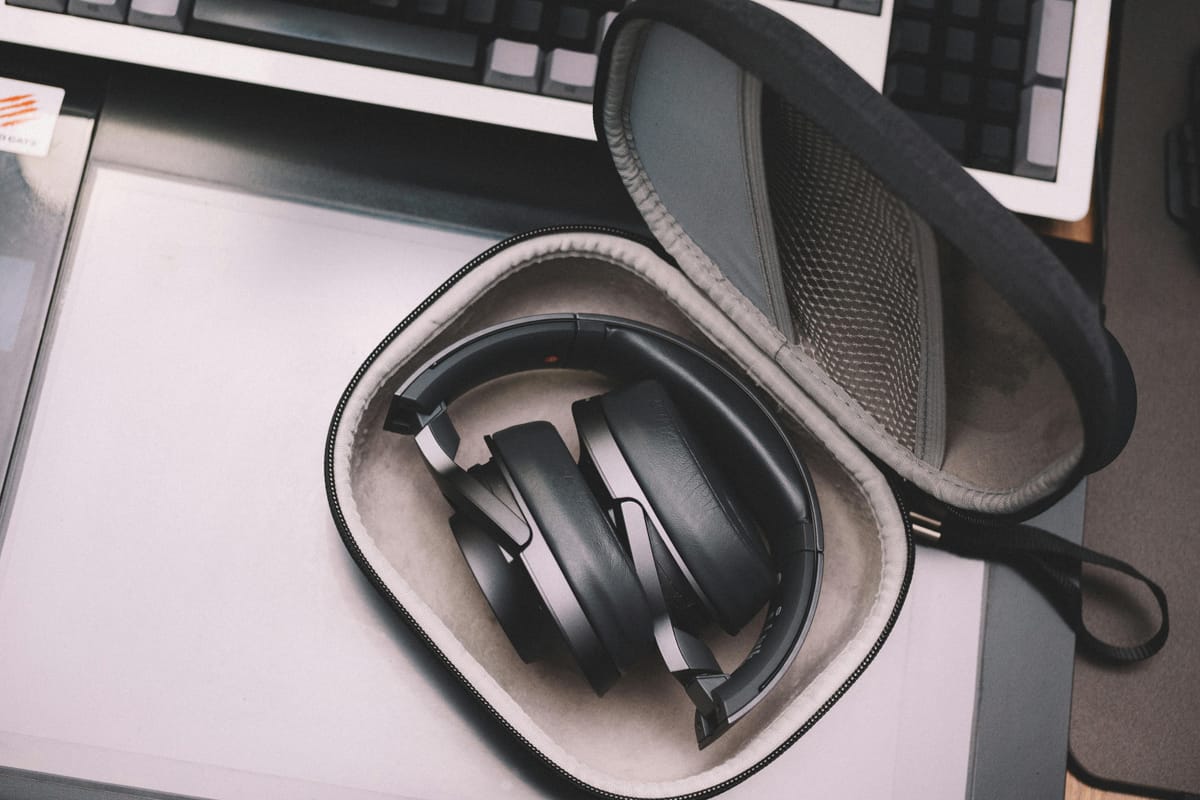

Many listeners assume their headphones provide a flat, neutral sound, but this is rarely the case. Unlike studio monitors, which are designed to produce a flat frequency response in controlled environments, most headphones are engineered using different acoustic targets. Understanding these differences is important when evaluating headphones for critical listening and audio mixing, particularly for spoken word and multimedia content.
Why Headphones Rarely Sound Flat
When listening to loudspeakers in a room, sound is influenced by several factors before it reaches the listener’s ears. Room acoustics, speaker placement, head shape, ear anatomy, and body reflections all affect how sound is perceived. Although studio monitors are designed to measure flat at the speaker, the combined effect of these variables results in a sound that is not objectively flat by the time it reaches the eardrums. Over time, the brain adapts to this presentation and interprets it as neutral.
Headphones eliminate the influence of room acoustics and body reflections, but the listener’s ears and ear canals still shape the sound. As a result, a headphone with a truly flat measured frequency response would not sound the same as listening to reference monitors in a room. This mismatch explains why many headphones are intentionally tuned rather than strictly flat.
The Role of the Harman Curve
The Harman Curve is a set of target frequency response curves developed to approximate the experience of listening to reference monitors in an acoustically treated room. Rather than being flat, the curve includes intentional boosts and reductions across the frequency spectrum to compensate for the lack of room interaction when using headphones.
There is no single, fixed Harman Curve. The target has evolved over time, and different manufacturers interpret it differently based on design goals, listener preferences, and use cases. While not universally accepted as ideal, the Harman Curve has become a common reference point in headphone design and evaluation.
Key Considerations When Choosing Headphones for Mixing
Selecting headphones for mixing involves evaluating more than frequency response charts. Several practical factors influence how well headphones perform in production environments:
Sound Reproduction Clarity
Headphones used for mixing should clearly separate low, mid, and high frequencies without excessive smearing. Clarity is especially important for identifying masking issues, dialogue intelligibility, and tonal balance.
Impedance and Amplification Requirements
Headphone impedance and power requirements affect how well they perform with different audio sources. Lower-impedance headphones are generally better suited for direct use with laptops and portable devices, while higher-impedance models may require a dedicated headphone amplifier.
Comfort and Fit
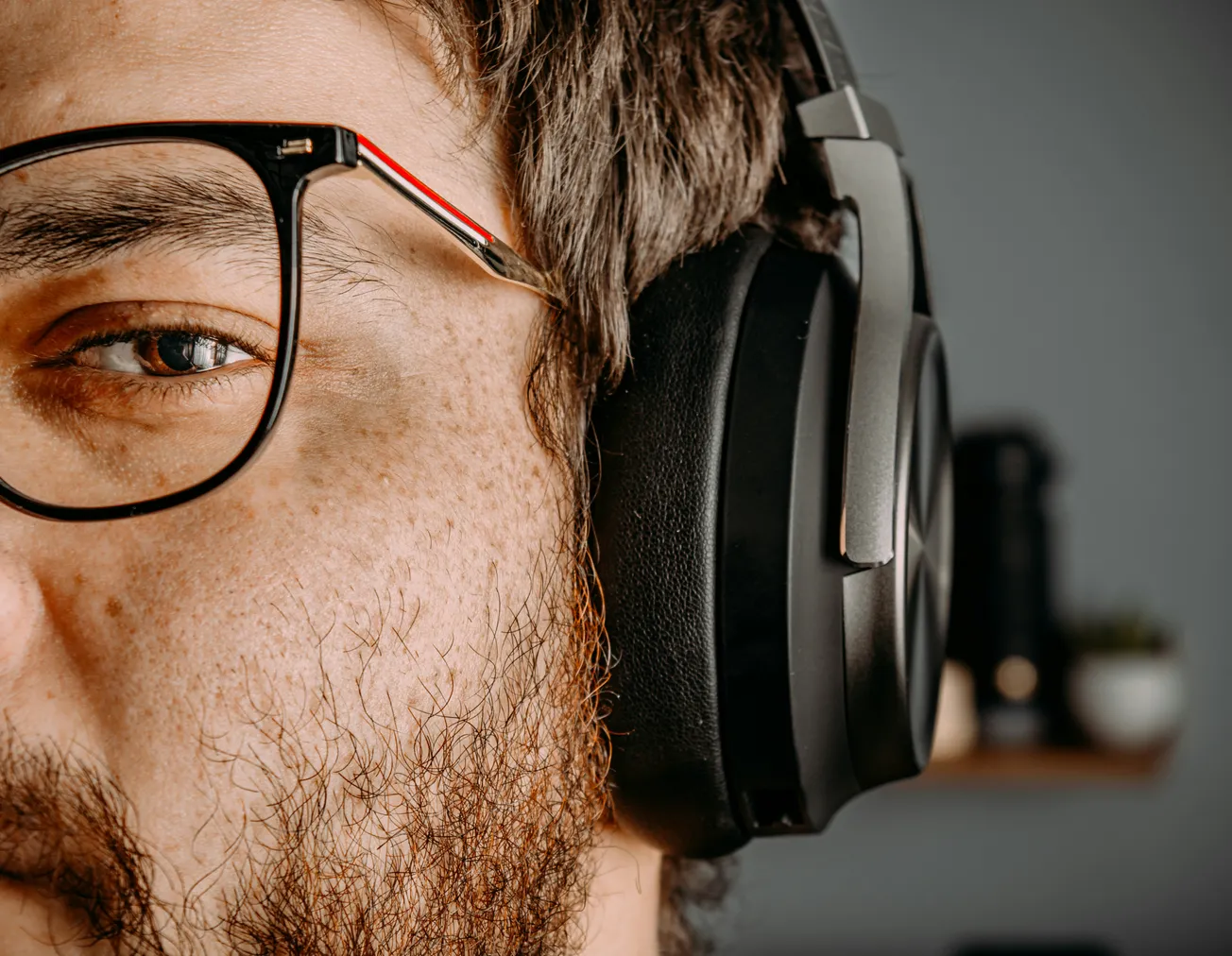
Extended mixing sessions require headphones that can be worn comfortably for long periods. Weight, clamping force, ear pad material, and ventilation all contribute to long-term usability.
Open-Back and Closed-Back Designs
Open-back headphones are often preferred for mixing due to their more natural, speaker-like presentation and reduced internal reflections. Closed-back headphones are typically used during recording to prevent sound leakage into microphones.
Experience and Familiarity
Long-term familiarity with a specific pair of headphones is one of the most important factors in achieving reliable mixes. Over time, listeners learn how their headphones translate to other playback systems, enabling better decision-making even if the headphones are not technically ideal.
Applying These Principles in Practice
When evaluating headphone performance for mixing, it is useful to consult reviews and tests conducted by professionals working in similar audio contexts. Reviews focused on casual music listening often prioritize enjoyment over accuracy, which may not align with production needs. For dialogue, podcasting, or video audio work, insights from engineers who specialize in spoken word and broadcast mixing are often more relevant.
Developing accurate listening skills takes time, but understanding how headphones are designed and how they differ from speaker-based monitoring can help creators and engineers make more informed audio decisions across different environments.
More about headphones:
 Staff Report
 Staff Report
 Staff Report