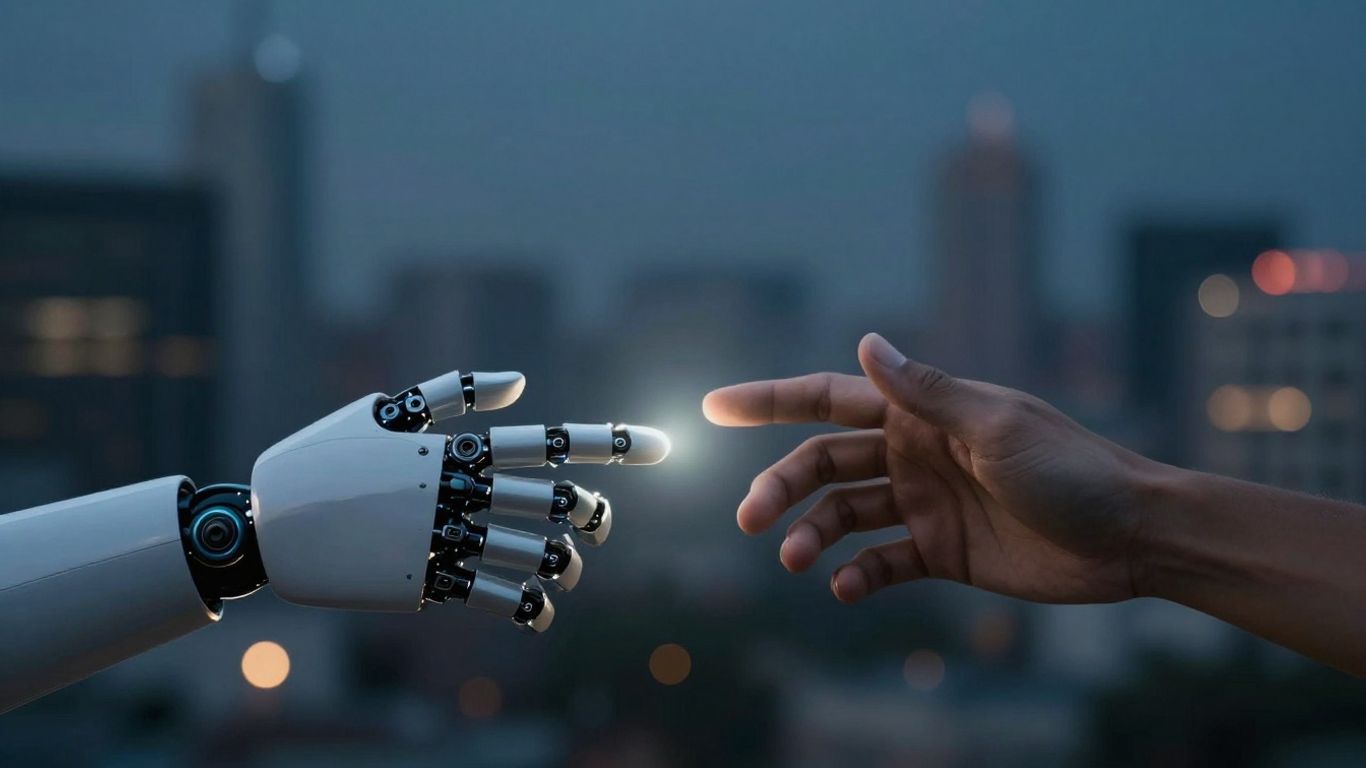
Artificial intelligence is increasingly shaping the daily work of content creators, from podcasters and video producers to writers and social media teams. Rather than eliminating creative jobs, AI is changing how creative work is produced, distributed, and scaled. For creators, the shift is less about replacement and more about evolving workflows and expectations.
How AI Is Changing Creator Workflows
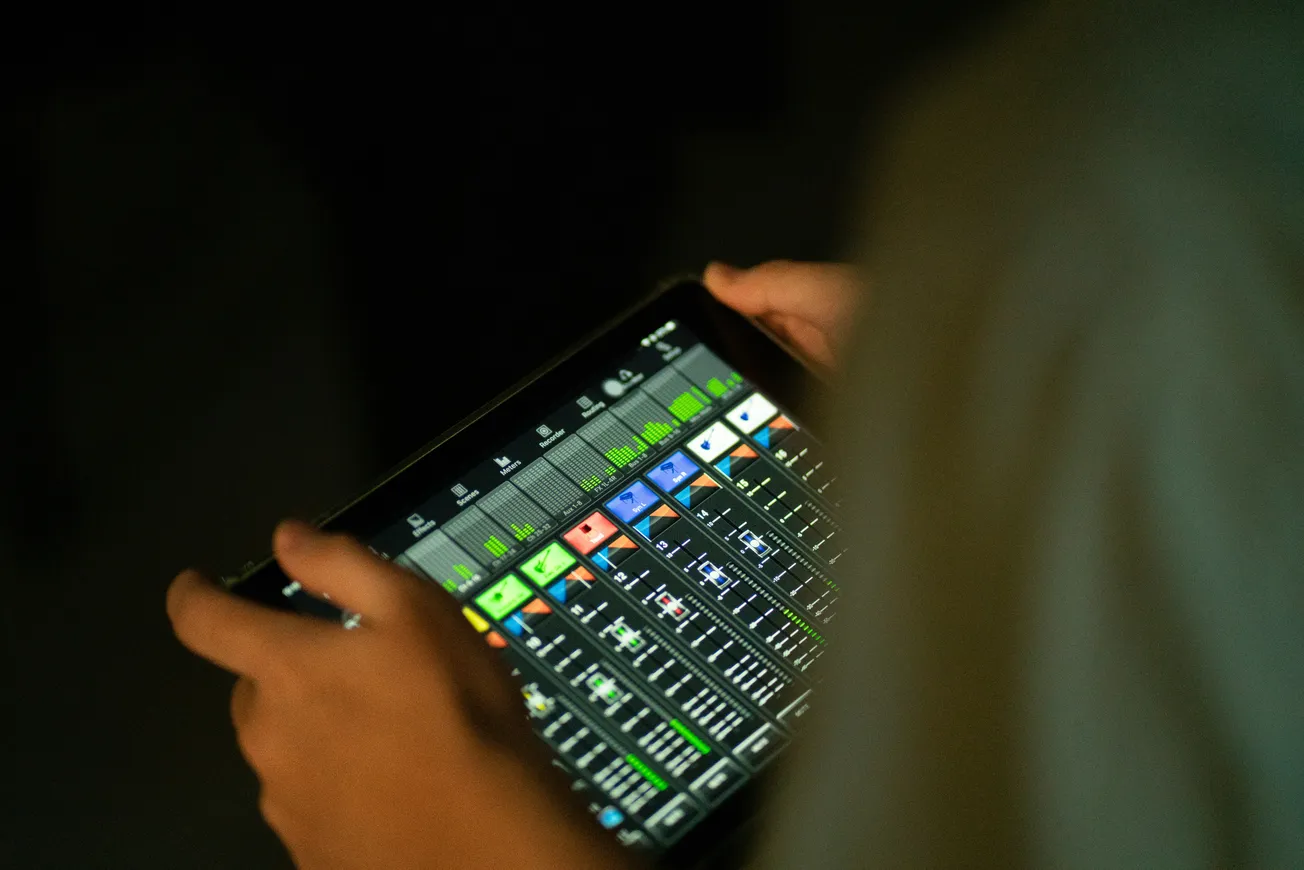
For many creators, the most time-consuming part of the job is not recording or ideation, but editing, formatting, repurposing, and publishing content across multiple platforms. AI tools are increasingly used to automate these production-heavy tasks, such as transcription, captioning, clipping long-form content into short videos, resizing assets, and generating drafts or summaries.
As a result, the role of the creator is shifting away from manual production toward higher-level creative direction. Instead of spending hours exporting files or rewriting captions, creators are more often responsible for guiding tone, refining ideas, and deciding how content is positioned for different audiences.
AI Is Modifying Creative Roles, Not Replacing Them
Concerns about AI replacing creative jobs are common, but most changes reflect task redistribution rather than job elimination. AI systems can generate rough drafts, visuals, or audio enhancements, but they still depend on human input for context, originality, and quality control.
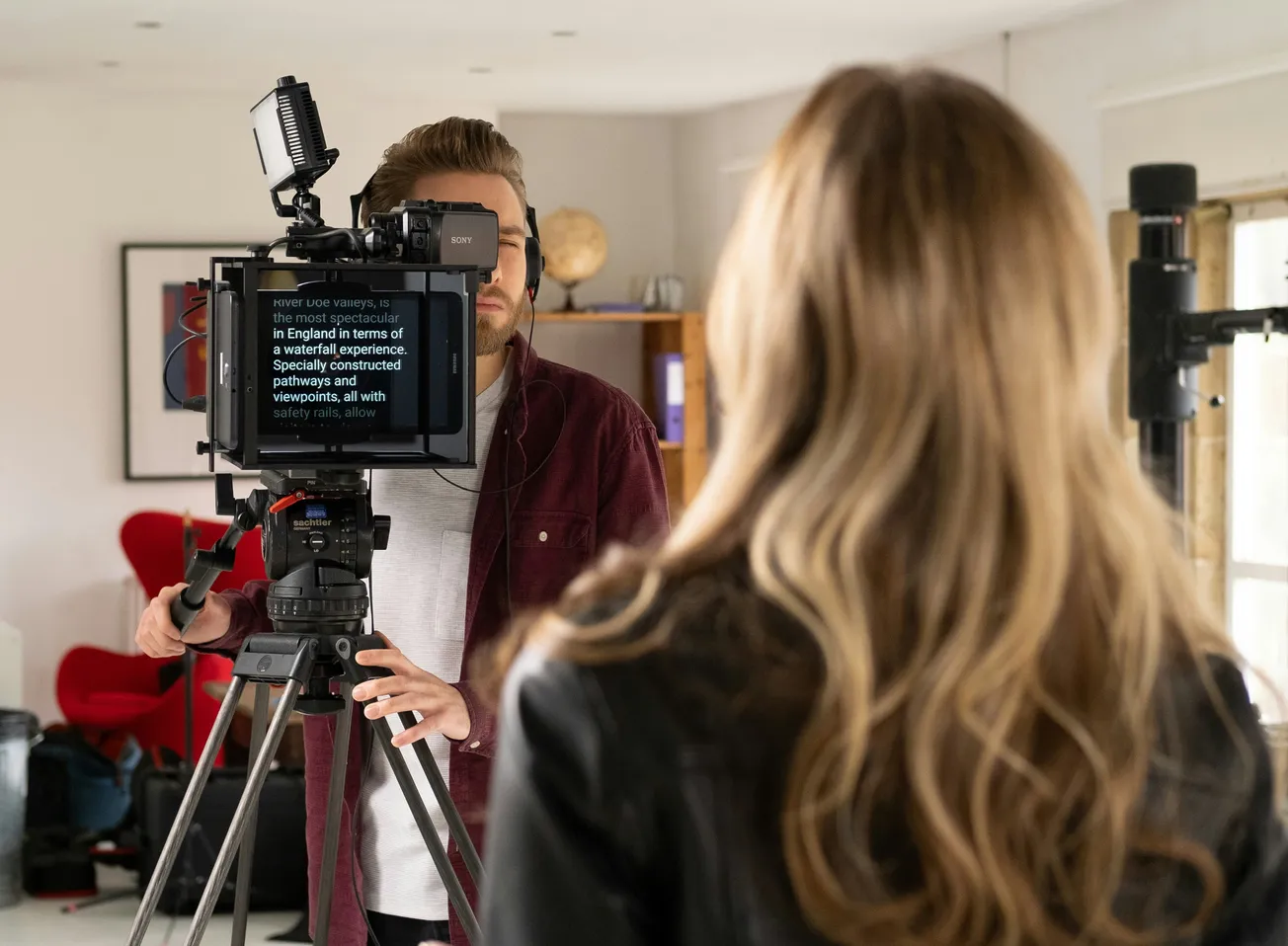
Creative roles increasingly involve supervising AI outputs, making editorial decisions, and ensuring content aligns with brand voice or audience expectations. For example, a video creator may use AI to generate multiple short clips from a long recording, but still determines which clips are published, how they are framed, and where they are distributed.
New Creator-Focused Roles and Responsibilities
As AI tools become standard in creative workflows, new responsibilities are emerging within creator roles. These include prompt design, AI output review, workflow optimization, and ethical decision-making around automation and originality.
In team environments, creators may also take on hybrid roles that combine creative skills with strategic oversight, such as managing AI-driven content pipelines or coordinating multi-format distribution. Independent creators face similar expectations, often needing to understand how different AI tools interact to produce consistent results.
Skills Creators Need in an AI-Driven Landscape
While technical familiarity with AI tools is increasingly useful, the most durable skills for creators remain human-centered. Creativity, critical thinking, audience awareness, and adaptability are becoming more valuable as AI handles repetitive production tasks.
Creators who can evaluate AI-generated content, adjust it to fit platform norms, and apply creative judgment are better positioned than those who rely solely on automation. Ongoing learning is also essential, as AI tools and platform requirements continue to change.
AI as a Creative Amplifier
In practice, AI functions as a force multiplier for creators rather than a replacement. By reducing time spent on routine tasks, AI enables creators to publish more consistently, experiment with new formats, and focus on storytelling and strategy.
For many creators, success increasingly depends on how effectively AI is integrated into workflows, not on avoiding it altogether. The ability to use AI to enhance efficiency while maintaining creative control is becoming a core part of the job.
AI is reshaping what it means to work as a creator. While some tasks are automated, the demand for creative judgment, originality, and strategic thinking remains strong. The creator role is evolving toward oversight, direction, and audience connection, supported by AI-driven tools that reduce friction and scale output.
Understanding and adapting to these changes is becoming a central requirement of creative work in 2026 and beyond.