
The Evolution of Digital Imaging and its Impact on Creators
The digital tools used today by podcasters and video creators for high-definition streaming and recording did not emerge overnight. The transition from film to digital sensors required decades of experimentation by companies that were not originally part of the traditional optical industry.
Casio, a brand primarily known for calculators and timepieces, played a pivotal role in democratizing the visual medium. Understanding this history provides valuable context for how hardware has become more accessible, portable, and powerful for modern business applications.
The Shift from Analog to Digital Sensors
In the early stages of imaging technology, the concept of a camera without film was considered an engineering impossibility by many industry stalwarts. Early innovators had to solve the problem of converting light into electronic data that could be stored and retrieved instantly.
This shift was the catalyst for the current creator economy, allowing for the immediate review of footage and the elimination of chemical processing costs. For small businesses and educators, this meant that high-quality visual communication moved from being a luxury service to an affordable in-house capability.
According to historical insights from Digital Camera World, many early digital pioneers faced skepticism when proposing that electronic sensors would eventually surpass the resolution and quality of traditional film. These engineers focused on miniaturization and the integration of liquid crystal displays, features that are now standard on every piece of video equipment used in podcasting and corporate communications.
Casio and the Commercialization of the LCD
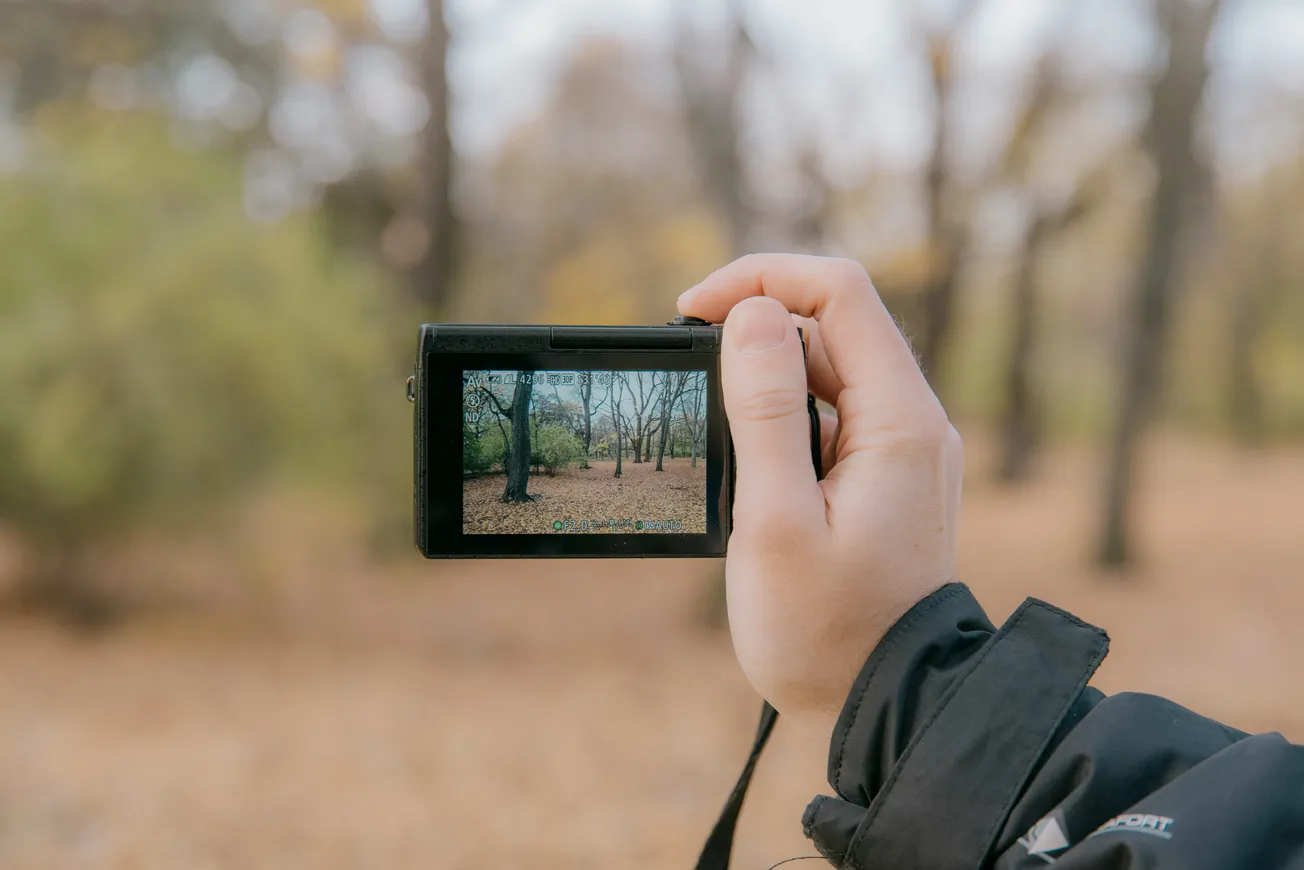
One of the most significant contributions to the modern recording workflow was the introduction of the built-in screen. Before this innovation, photographers and videographers operated blindly, unable to see the final result until the media was processed. Casio was instrumental in integrating LCD technology into compact camera bodies. This development fundamentally changed how people interact with recording devices, moving the screen to the center of the user experience.
This specific advancement laid the groundwork for the flip-screens and external monitors used by solo creators today. Whether recording a video podcast or a remote training session, the ability to monitor a feed in real-time ensures that framing and lighting are correct before the recording ends. The focus on user-centric design allowed non-technical users to begin experimenting with visual storytelling without the steep learning curve associated with professional cinema gear.
Impact on Modern Video and Podcasting Workflows
The legacy of these early compact cameras is visible in the current trend toward streamlined, all-in-one production setups. The engineering goals of the 1990s—portability, ease of use, and digital storage—remain the primary drivers of the video equipment market. For modern content teams, these traits allow for rapid scaling. Instead of requiring a full production crew, a single individual can now manage multiple camera angles and high-fidelity audio inputs from a desktop setup.
The convergence of different technologies—calculators, electronics, and optics—is what ultimately made digital photography viable for the masses. This cross-industry collaboration continues to influence how new tools are developed, with software and artificial intelligence now taking the lead in further reducing friction for creators.
Future Implications for Creators and Businesses
The history of digital imaging proves that accessibility drives innovation. When tools become smaller and easier to operate, more voices can enter the media landscape. For businesses looking to build authority through video and audio, the current era of equipment offers a level of efficiency that was unimaginable during the early days of digital development. The focus has shifted from the technical hurdles of capturing an image to the creative challenges of telling a compelling story.
As technology continues to evolve, the principles established by early innovators remain relevant. Staying informed about equipment history and current trends helps creators choose the right tools for their specific needs. To learn more about selecting the right gear for a modern setup, readers can explore guides on PodcastVideos.com regarding essential video equipment and recording workflows. Understanding the past innovations of companies like Casio helps clarify why today’s tools are designed the way they are and how to best utilize them for professional growth.
More about cameras:
 Staff Report
 Staff Report
 Staff Report