
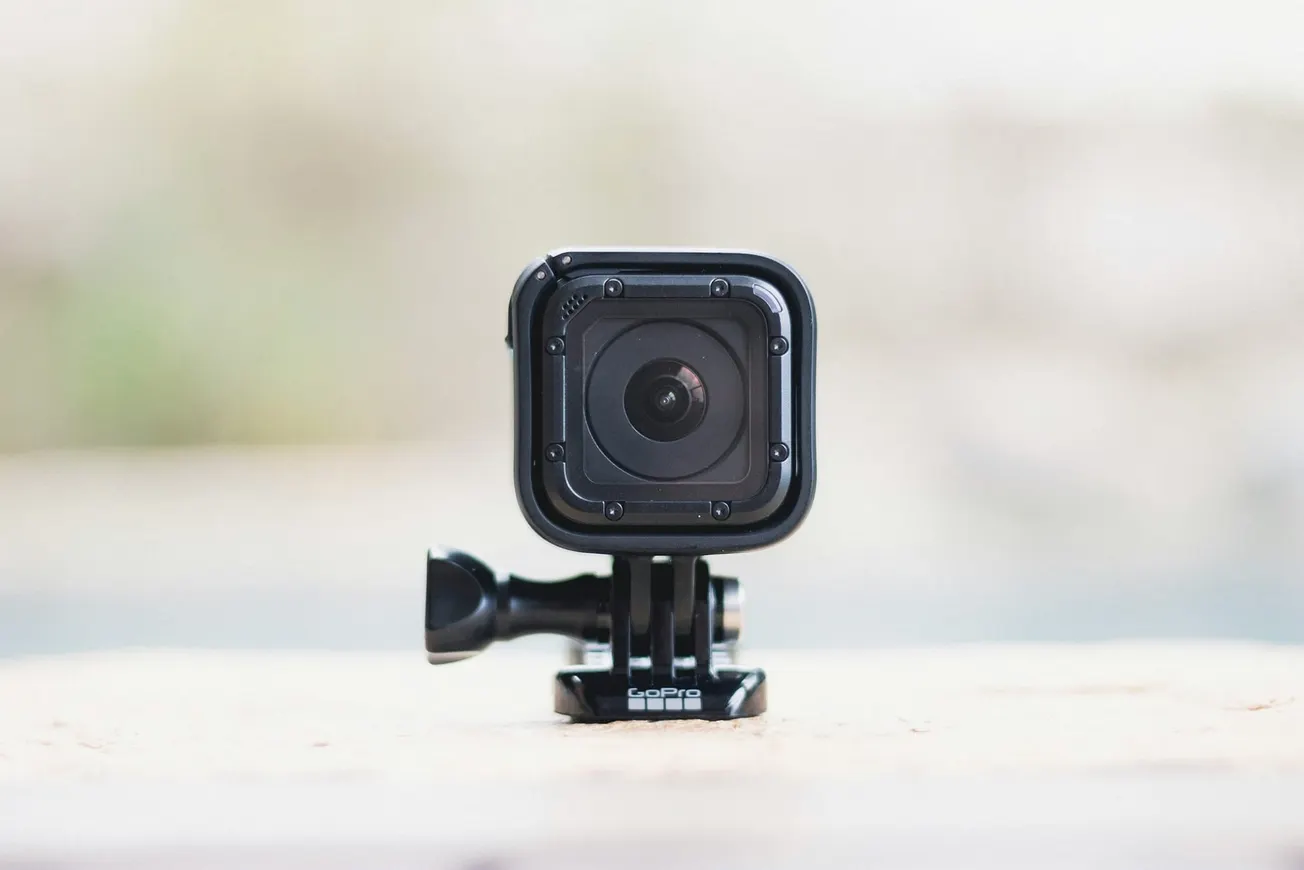
The official announcement of the GoPro Mission 1 series has introduced a significant shift in the compact camera market, marking the brand's first move into the specialized world of cinema-grade hardware. While the initial reveal confirmed technical specifications—including a new 50-megapixel one-inch sensor and the GP3 processor—the crucial detail regarding cost was notably absent.
According to early reports, this final piece of the puzzle is expected to be revealed during the NAB Show, which runs from April 19 to April 22, 2026.
Positioning a one-inch sensor camera within the professional market requires a delicate balance of pricing. For businesses and creators, the Mission 1 series represents a potential bridge between high-end action cameras and traditional cinema rigs. The upcoming price announcement will determine whether this new line serves as an accessible entry point for small production teams or a premium investment for established filmmaking professionals.
The Mission 1 Pro Feature Set
The Mission 1 Pro is being positioned as the flagship of the fixed-lens lineup. It offers a significant performance jump over traditional action cameras, featuring 8K resolution at up to 60 frames per second and 4K at 240 frames per second. These frame rates, combined with the larger sensor's 14 stops of dynamic range, suggest a camera designed for high-end commercial work and cinematic storytelling rather than casual vlogging.
For production teams, the inclusion of 10-bit GP-Log2 and timecode sync further reinforces its professional intent. These features reduce friction in the editing bay by allowing for better color grading flexibility and easier multi-camera alignment. The price of the Pro model will likely reflect these advanced capabilities, potentially placing it in direct competition with compact cinema cameras from established manufacturers like Blackmagic and Sony.
Comparing The Mission 1 And Pro Models
The base Mission 1 model shares the same sensor and processor as the Pro version but features lower frame rate caps, such as 8K at 30 frames per second. This tiered approach suggests a strategy to capture multiple segments of the market. Creators who need the superior low-light performance and detail of a one-inch sensor but do not require extreme slow-motion may find the standard Mission 1 to be the more cost-effective choice.
Determining the price gap between the standard and Pro models will be essential for creators planning their 2026 equipment budgets. If the pricing remains aggressive, it could disrupt the existing vlogging and compact camera market. However, if the Pro model carries a significant premium, it may be viewed as a niche tool for specialized high-speed cinematography.
The Role Of The Interchangeable Lens System (ILS)
Perhaps the most discussed addition to the series is the Mission 1 Pro ILS, which features a Micro Four Thirds mount. This is the first time GoPro has moved away from its signature fixed-angle lens, allowing creators to use a wide variety of professional glass. Because the ILS model requires additional engineering for lens communication and the mount itself, it is expected to be the most expensive entry in the lineup.
The ILS model is targeted at creators who require the flexibility of macro, telephoto, or anamorphic lenses. While the fixed-lens Mission 1 models maintain their rugged, waterproof rating of up to 66 feet, the ILS is categorized as weatherproof due to the nature of the lens mount. This distinction in utility further complicates the pricing structure, as the ILS essentially functions as a miniature mirrorless cinema camera.
Strategic Planning For Creators
For businesses and independent creators, the lack of immediate pricing creates a short-term hurdle for equipment planning. However, with the NAB Show disclosure only days away, potential buyers will soon have the data needed to make informed decisions. Preorders are currently slated to begin on May 21, 2026, with global availability following shortly after.
Waiting for the official price reveal allows teams to assess the value proposition of the new GP3 ecosystem, including the revamped Enduro 2 batteries and the new wireless mic system.
More about GoPro:
 Staff Report
 Staff Report
 Dan Craft