
The Unseen Foundation of Modern Podcasting
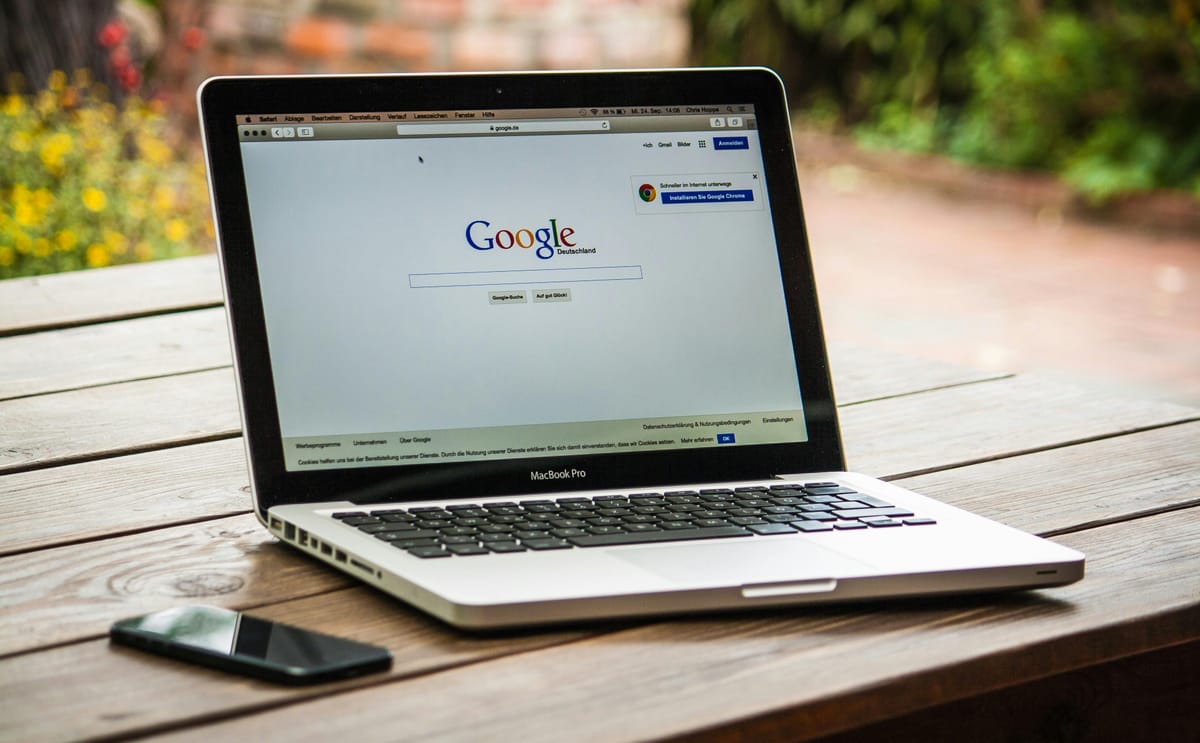
Long before the ubiquity of integrated mobile audio platforms, Google was experimenting with the fundamental mechanics of podcast distribution and discovery. While many credit the launch of the standalone Apple Podcasts app in 2012 as a turning point for the medium, a significant portion of podcasting’s DNA was actually written three years earlier on the Android operating system.
Google Listen, launched in August 2009 through Google Labs, served as a testing ground for features that creators and listeners now consider industry standards.
Understanding the history of Google Listen provides valuable context for today’s businesses and creators. It reveals how early technical challenges—such as RSS integration and mobile data management—influenced the streamlined workflows used by modern video equipment and audio software. By examining this "pioneer" app, we can see the origins of personalized audio streams and search-driven discovery.
Innovation Through Search and Queuing
At its launch, Google Listen introduced several concepts that were ahead of their time. Unlike contemporary apps that functioned as simple RSS readers, Listen leveraged Google’s core strength: search.
- Subscribe to Search: Perhaps its most innovative feature, this allowed users to subscribe to specific keywords rather than just individual shows. For example, a user interested in "marketing automation" would receive a dynamic feed of any new podcast episode matching that term. This concept sought to provide a "query-free" stream of information, pre-dating the algorithmic discovery feeds found in modern apps.
- The Listen Queue: The app featured a dedicated play queue, allowing listeners to curate a specific order of episodes. Surprisingly, this basic organizational tool took several more years to become a standard feature across other major podcasting platforms.
- Smart Skipping: By late 2009, Google Listen had already implemented "skip forward 30 seconds" and "back 7 seconds" buttons, effectively standardizing the user interface for navigating ad-heavy content.
Operational Success and Technical Hurdles
Internal data highlights that Google Listen was highly effective at capturing the "commuter" demographic. By January 2012, the app reached approximately 580,000 monthly users, with average session durations exceeding one hour. This level of engagement demonstrated that there was a massive, untapped market for long-form audio on mobile devices.
However, the project eventually stalled due to its status as a "Google Research" prototype rather than a core Android product. In early 2010, the app shifted its backend to Google Reader, a move that tied its fate to a service that Google would eventually shutter.
By the time v2 was in development—which included planned features like video support and social integration—the landscape had shifted. Third-party apps like Riverside.fm and other dedicated podcast managers began offering more polished experiences, leading Google to discontinue Listen in August 2012.
The Legacy of Google Listen
While Google Listen itself is a resident of the "Google Graveyard," its influence remains visible in the current media landscape. The vision for a "lean-back" audio experience that users can interact with to change direction has found a spiritual successor in tools like NotebookLM and personalized "Daily Listen" feeds.
For modern creators, the history of Google Listen serves as a reminder that publishing and discovery are constantly evolving. The transition from manual RSS subscriptions to search-based discovery remains a primary goal for platforms today. By looking back at these early Android experiments, businesses can better appreciate the sophisticated automation and frictionless workflows that now define professional audio and video production.
More about Google:
 Staff Report
 Staff Report
 Staff Report