
Every awards season tells multiple stories: which performances dazzled, which films captivated critics, and what technical artistry defined the year’s most celebrated work.
As the 83rd Golden Globe Awards rolled out nominations and wins on January 11, 2026, another narrative emerged among the films themselves—the cameras and capture formats cinematographers chose to craft these visual experiences.
Industry reporting shows this year’s leading films illustrate a fascinating mix of digital workhorses, large‑format systems, and classic film cameras.
The Dominance of ARRI ALEXA
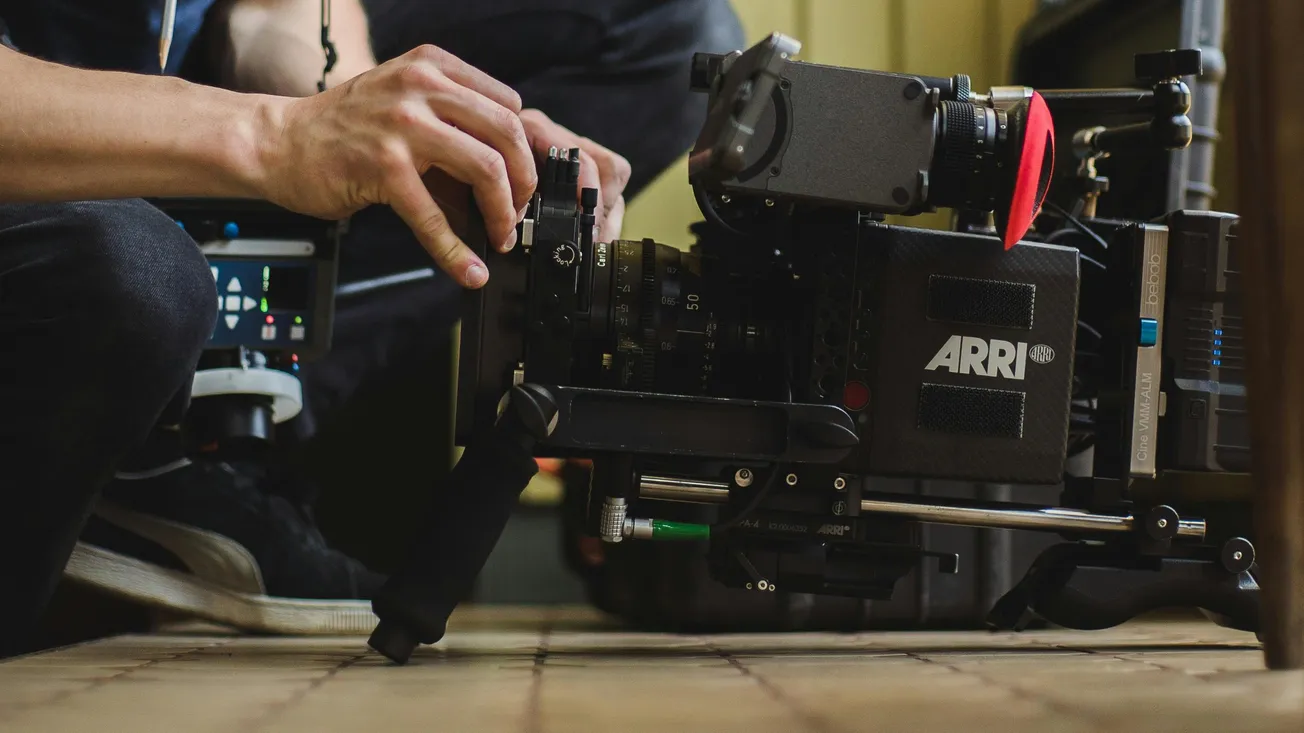
Across numerous high‑profile contenders, one camera system stood out: the ARRI ALEXA 35. Known for its reliable color science, dynamic range, and film‑like rendering, the ALEXA 35 appeared repeatedly in the cinematography charts for several Golden Globe–nominated films including Hamnet, Blue Moon, and No Other Choice.
Additional ARRI digital models such as the ALEXA Mini LF and ALEXA Mini supported more agile shooting scenarios on smaller sets or for handheld and Steadicam work.
For films seeking robust digital capture with cinematic latitude, ARRI remains a go‑to option for many leading directors of photography.
Film’s Continuing Presence: ARRICAM and ARRIFLEX
Despite the digital era, film cameras remain strongly represented among Golden Globe contenders—a testament to their aesthetic qualities and depth. Classic ARRI film systems like ARRICAM LT, ARRICAM ST, ARRIFLEX 435, ARRIFLEX 416, and ARRIFLEX 235 were listed among the principal cameras on titles such as Sentimental Value, Bugonia, and Marty Supreme.
This persistent use of film — especially for period pieces or projects aiming for a textural look difficult to emulate digitally — reflects a belief in analog capture’s unique emotional and tactile qualities.
Large Format and Specialty Capture
A few standout projects leaned into larger formats and specialized gear to elevate scale and visual impact:
- IMAX and Panavision 65 — These large‑format systems were part of the capture approach for Sinners, giving that film an expansive visual footprint rarely seen outside blockbuster cinema.
- Beaumont VistaVision and Panavision Panaflex Millennium XL2 — Used on One Battle After Another, these formats blend large‑frame depth with a classic motion‑picture texture that has cinematic pedigree.
These choices show that even in an awards season dominated by dramatic narratives, filmmakers are still pushing the boundaries of image capture when the story calls for visual heft or a distinct cinematic signature.
Flexible Companions: RED Komodo
While not typically the primary camera on most prestige films, RED Komodo systems appeared in some productions alongside ARRI and film rigs, particularly for handheld inserts or dynamic documentary‑style shots. Their compact design and high‑quality sensor make them ideal as secondary cameras in multi‑camera setups.
Their inclusion signals how modern productions balance aesthetics and practicality, integrating smaller digital tools to complement large primary systems without sacrificing visual coherence.
What This Tells Us About 2026 Cinema
The camera choices behind Golden Globe–nominated films illustrate a broader truth about contemporary cinematography in 2026: there is no single “right” tool. Instead, filmmakers and cinematographers choose formats that best support the story’s texture, emotional range, and production demands.
Whether it’s the trusted digital latitude of the ARRI ALEXA line, the timeless feel of film, or the immersive scale of large‑format capture, each camera system plays a role in shaping the visual language of modern cinema.
For film students, indie creators, and content professionals alike, surveying these choices offers valuable insight into how high‑end productions balance image quality, workflow needs, and artistic intent every awards season.
More about cameras:
 Staff Report
 Staff Report
 Staff Report