
Dialogue editing remains the foundational element of any successful audio post-production project, serving as the bridge between raw location recordings and a polished final mix. A recent expert panel convened by Production Expert explored the essential workflows used by top-tier editors to manage everything from feature films to high-end podcasts.
The consensus among the professionals is that a structured, repeatable process is the only way to ensure clarity and emotional impact while meeting tight deadlines.
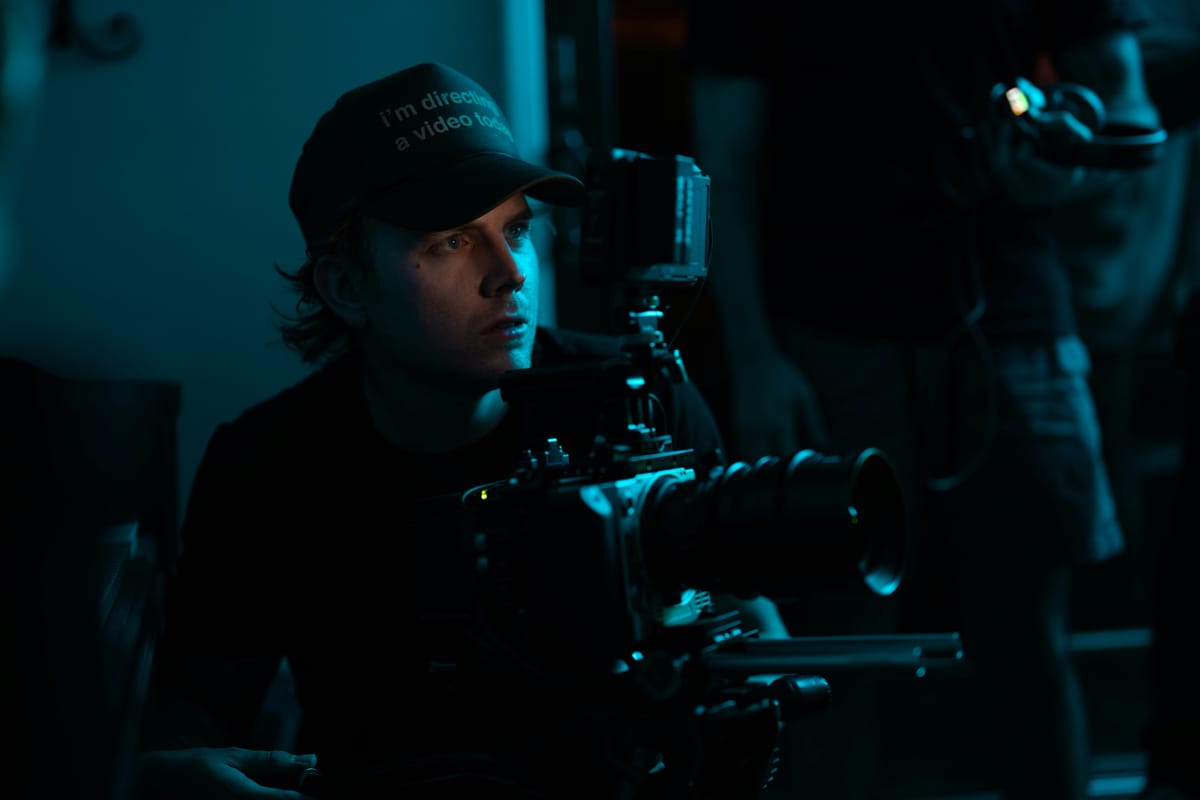
The workflow begins with the organization and synchronization of location audio. Editors must meticulously sort through "production sound," which includes the lavalier and boom microphones used on set.
This stage involves identifying the best takes and ensuring that the audio remains in perfect sync with the video. The panel emphasized that the initial cleanup phase—removing unwanted clicks, thumps, or background interruptions—should be handled before any creative mixing begins to avoid compounding technical issues later in the process.
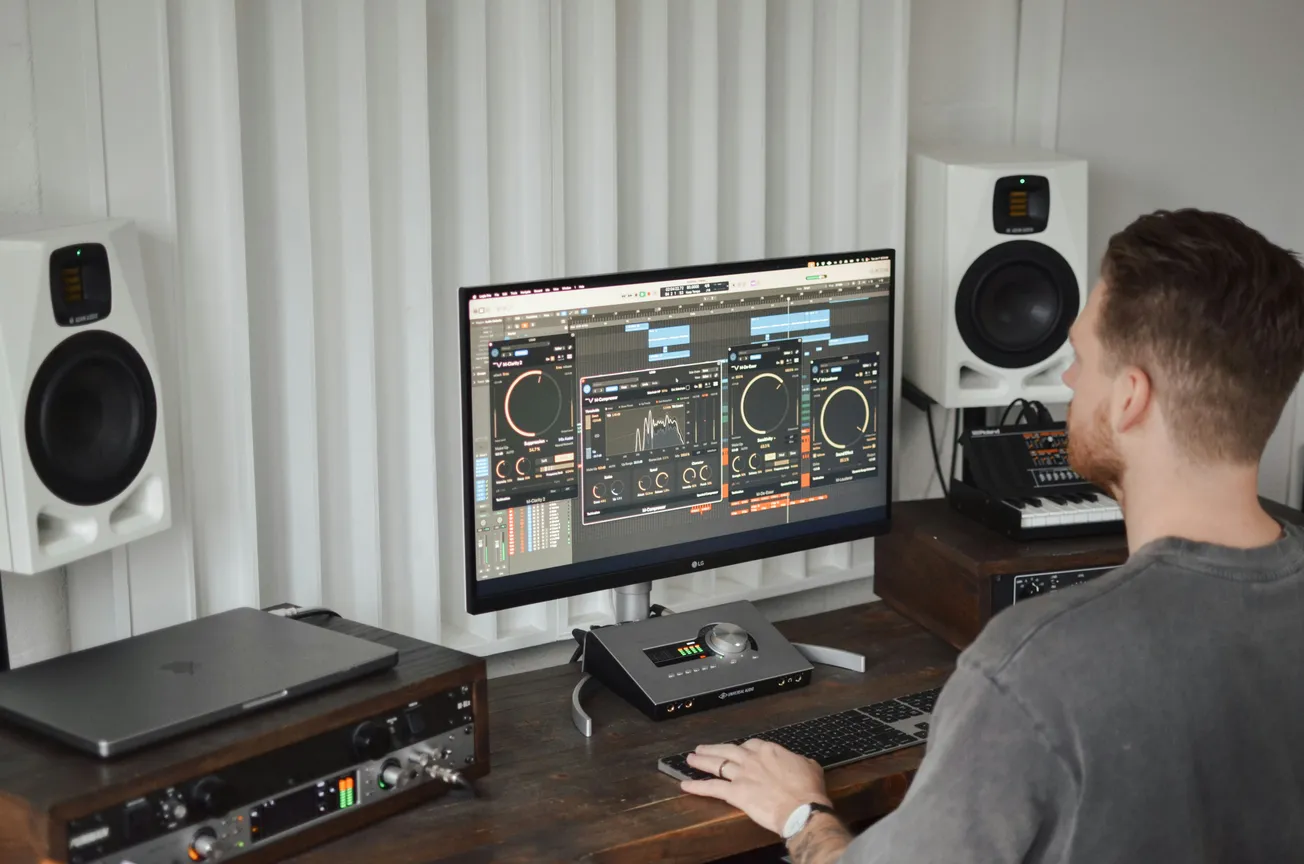
A critical component of modern dialogue editing is the use of specialized audio software designed for restoration. Tools like iZotope RX have become industry standards for isolating voices from noisy environments. The experts noted that while AI-driven noise reduction has improved significantly, the human ear is still the final arbiter of quality.
Over-processing can lead to "watery" or robotic-sounding voices, which disconnects the audience from the performance. Balancing noise floor reduction with a natural sound is the hallmark of a skilled editor.
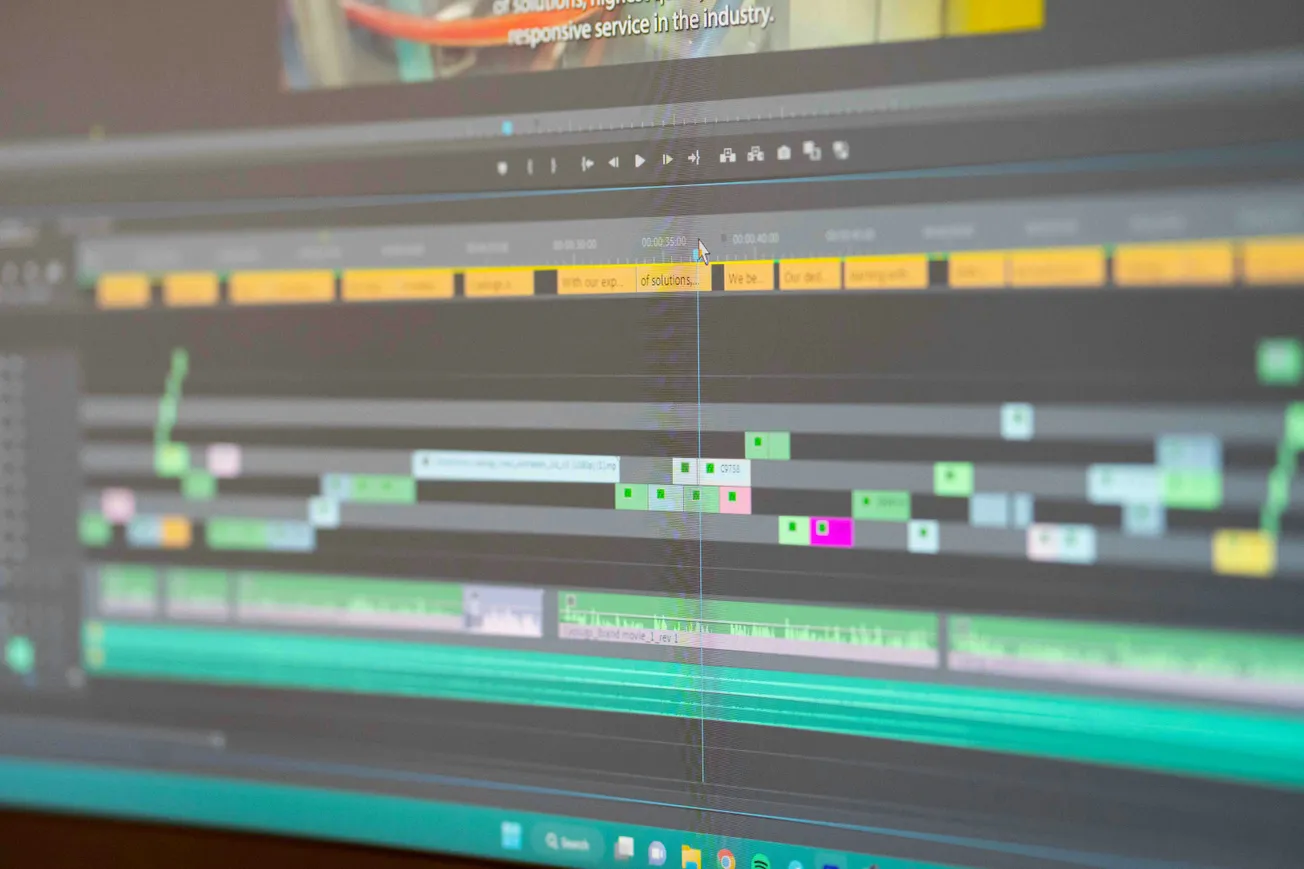
Consistency is another major challenge addressed by the panel. In many productions, a single scene may be filmed over several days, resulting in varying background textures or "room tone." Dialogue editors use a technique called "checkerboarding," where they place different speakers or different shots on alternating tracks. This allows for specific EQ and processing settings for each microphone source, ensuring a seamless transition when the perspective shifts. Filling gaps with matching room tone is essential to prevent the "dropout" effect that occurs when audio suddenly goes silent between lines.
For creators and businesses, these professional workflows offer a roadmap for improving the quality of corporate videos, educational content, and brand storytelling. Implementing a simplified version of this editing process—focusing on organization, noise reduction, and consistent room tone—can dramatically elevate the perceived value of a production. High-quality audio is often cited as the most important factor in viewer retention, even more so than high-definition video.
The panel concluded that the goal of dialogue editing is to make the work invisible. If a viewer notices the transition between two takes or struggles to hear a word over background hum, the immersion is broken. By following a disciplined approach to recording and post-production, content teams can ensure that their message is delivered with maximum clarity. As tools continue to evolve, the core principles of organization and careful listening remain the most valuable assets in the editor’s toolkit.
More about editing:
 Staff Report
 Staff Report
 Staff Report