

The Shift in Global Camera Shipments
The landscape of digital imaging hardware is undergoing a significant transformation, as reflected in the latest global shipment data. According to a report released by the Camera and Imaging Products Association (CIPA), fixed-lens compact cameras are experiencing a remarkable resurgence, vastly outpacing traditional Digital Single-Lens Reflex (DSLR) models.
In January 2026, Japanese manufacturers shipped 168,847 compact cameras worldwide, while DSLR shipments dwindled to just 35,055 units. This nearly five-to-one sales ratio signals a major pivot in consumer preference and market availability.
The Decline of the DSLR Category
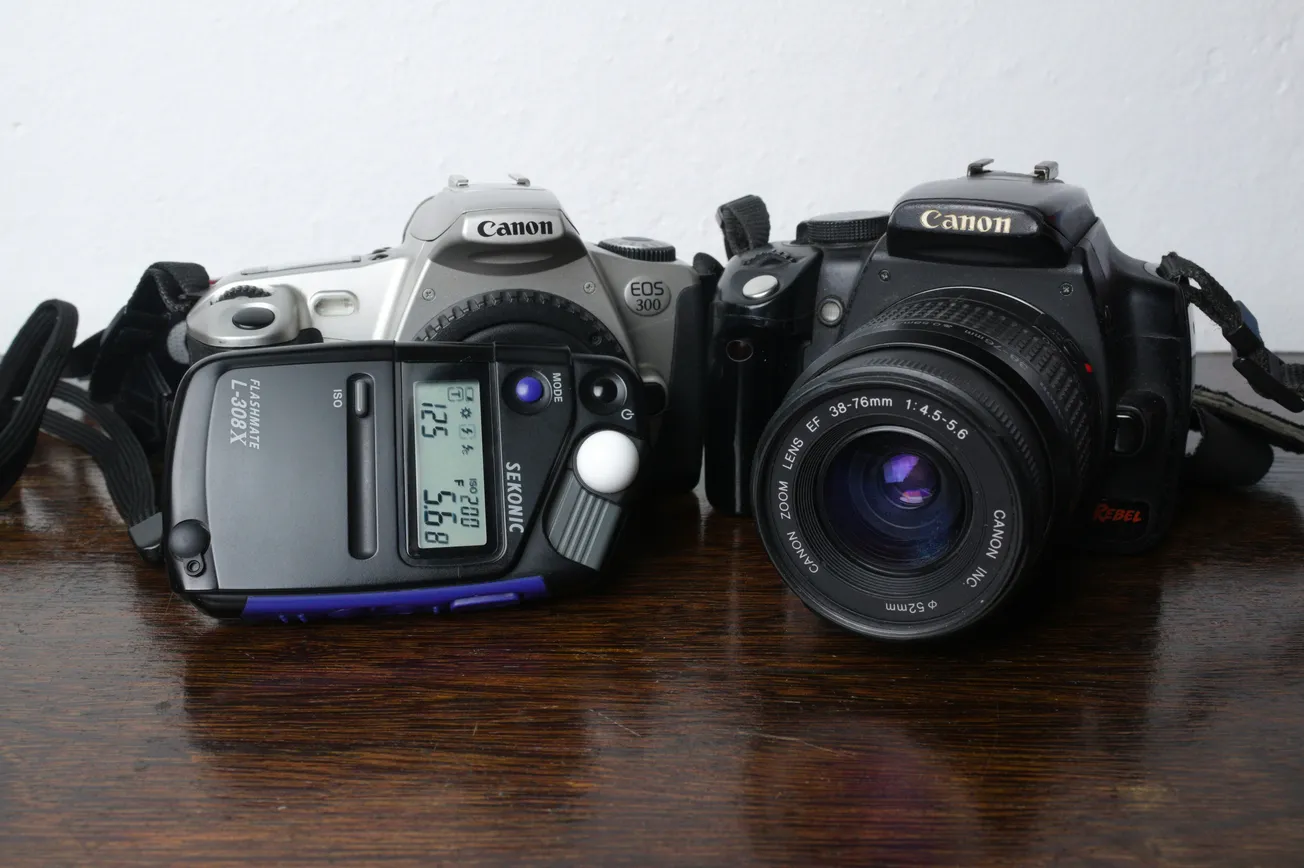
Once the gold standard for both enthusiasts and professionals, the DSLR category is shrinking rapidly. The January data shows a 36% year-on-year decline in units shipped and a 45% drop in total market value for these cameras.
This trend suggests that the DSLR is becoming an increasingly niche product as major manufacturers shift their focus toward newer technologies. Most major brands have ceased significant research and development for new DSLR bodies, focusing instead on mirrorless systems and specialized compact units that offer high performance in smaller form factors.
Factors Driving the Compact Camera Resurgence
The growth of the compact camera market—up 36% year-on-year—is driven by several converging trends. Many modern creators are experiencing "smartphone fatigue," seeking dedicated tools that offer better ergonomics and tactile controls without the bulk of a full professional kit. Social media trends and a renewed interest in "retro" aesthetics have also played a role, with older point-and-shoot styles becoming popular among younger demographics.
Additionally, the rise of high-end travel photography and vlogging has created a demand for portable powerhouses that can capture high-quality video and stills in a pocketable design.
Mirrorless Systems and Lens Trends
While compact cameras are the current headline story, mirrorless cameras remain the core of the interchangeable lens market. Mirrorless shipments grew by 16% in January 2026, indicating a stable and maturing market.
Interestingly, the data also highlights a divergence in lens sales. Demand for APS-C and smaller sensor lenses is growing, reflecting an interest in lighter and more affordable systems. Conversely, full-frame lens sales have flattened, as many professional users have already established their primary glass collections.
Implications for Content Creators and Businesses
For businesses, educators, and independent creators, these market shifts offer practical guidance on equipment procurement. The availability of high-quality compact cameras makes professional-grade video and audio capture more accessible for mobile workflows, such as field reporting, internal communications, and social media production.
As DSLRs move toward obsolescence, investing in mirrorless or premium compact systems ensures better long-term support, firmware updates, and compatibility with modern accessories.
Looking Ahead at 2026 Market Predictions
CIPA forecasts that approximately 2.77 million fixed-lens cameras will be shipped throughout 2026, representing a double-digit growth rate over the previous year. The strong start in January suggests that the compact camera revival is a sustained movement rather than a temporary spike.
As manufacturers like Canon and Sony increase production of these portable units, creators can expect more innovation in integrated video features, AI-assisted autofocus, and improved low-light performance in smaller footprints.
More about cameras:
 Staff Report
 Nathan Sellars
 Staff Report