
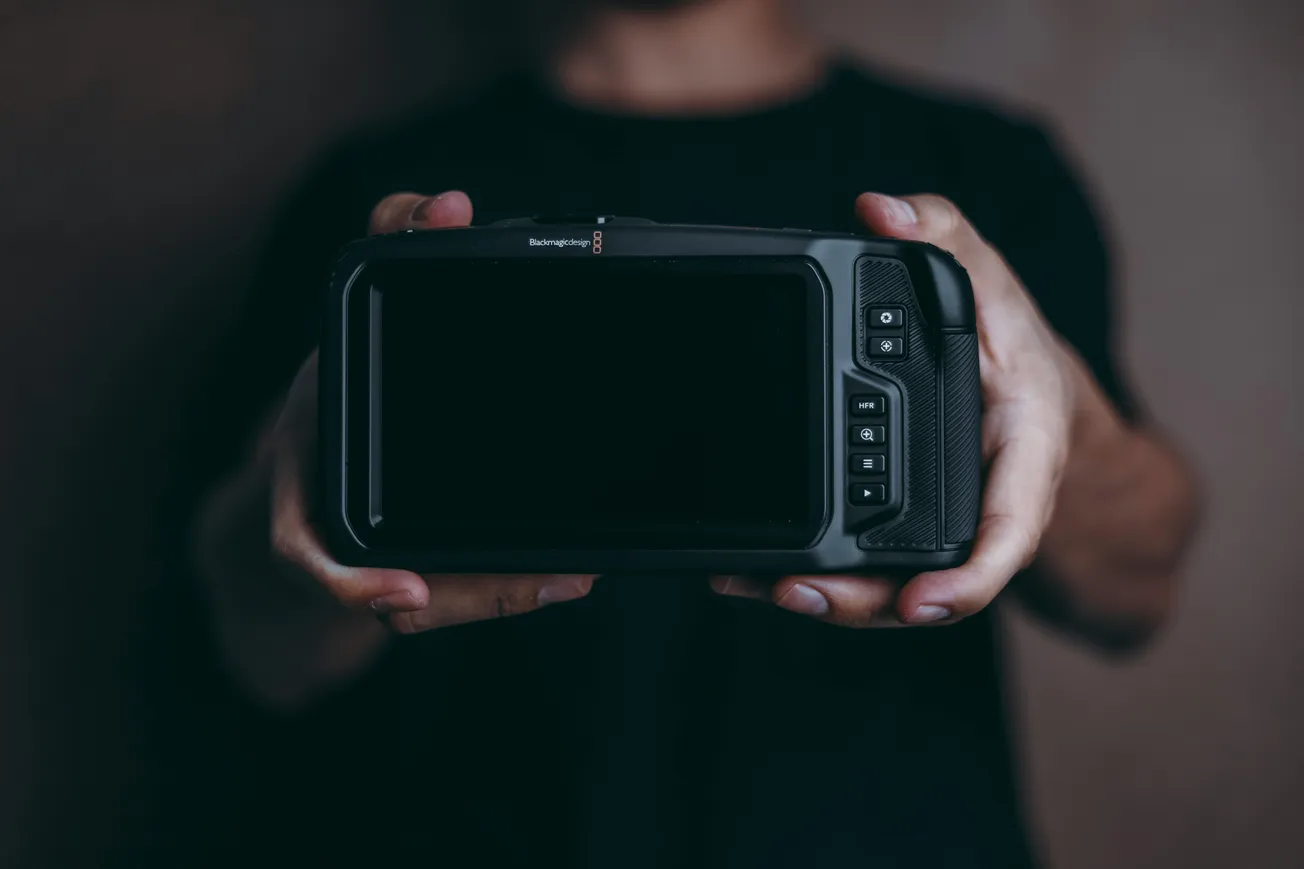
The ongoing influence of Blackmagic technology in independent filmmaking remains a major story as Park City hosts some of the most anticipated films and episodic projects of the year. Filmmakers attending Sundance continue to rely on Blackmagic Design gear and software throughout production and post‑production — a trend that has been steadily rising through recent festival cycles and shows no sign of slowing in 2026.
Sundance 2026: A Landmark Festival for Indie Cinema
The 2026 Sundance Film Festival is taking place from January 22 to February 1 in Park City and Salt Lake City, Utah — marking the festival’s final year in Park City before its relocation to Boulder, Colorado in 2027. This edition showcases 90 feature films and seven episodic projects, with an impressive 97% of films premiering worldwide and 40% of feature directors presenting their first feature.
The lineup continues Sundance’s legacy of spotlighting new voices in independent cinema while also honoring the enduring cultural significance of the festival itself. Filmmakers and audiences alike are drawn to the event for its mix of intimate character stories, bold stylistic experimentation, and groundbreaking genre work — from narrative features to compelling documentaries.
Blackmagic’s Role in Documentary and Festival Workflows
In previous festival editions — most notably Sundance 2025 — Blackmagic Design announced that more than 40 notable projects in the festival lineup were created with its cameras, editing software, and post‑production tools. Filmmakers relied on Blackmagic digital film cameras, DaVinci Resolve Studio for editing, color grading, VFX work, and audio post‑production workflows, demonstrating the brand’s presence across production stages of feature films and shorts alike.
Though specific 2026 data isn’t yet available, this historical pattern — reinforced by No Film School’s ongoing discussion of Blackmagic usage in past Sundance projects — suggests that filmmakers at this year’s festival are likely continuing to use Blackmagic tools for creative and practical reasons. For example, DaVinci Resolve Studio’s flexibility for color grading and collaborative workflows has been highlighted in festival documentaries and indie features alike, allowing distributed teams to work together on creative post‑production finishes.
Why Blackmagic Tools Resonate With Indie Filmmakers
Blackmagic’s blend of professional capabilities and accessible pricing has helped it become a go‑to option for independent creators. Cameras like the Blackmagic Pocket Cinema models and URSA Cine series offer cinematic image quality that aligns with indie visuals, while software such as DaVinci Resolve combines editing, color, effects, and audio in one platform — a boon for festival films with tight budgets and compressed schedules.
No Film School’s broader editorial focus on filmmakers’ creative tools — including cameras, editing workflows, and post‑production strategies — underscores how technological accessibility allows festival filmmakers to realize ambitious visions without the financial barriers long associated with traditional cinema gear.
Sundance 2026 Highlights Where Technology Meets Storytelling
The diversity of Sundance’s 2026 lineup reflects how independent creators are telling stories across genres and formats, often blending technical innovation with artistic expression. From anticipated narrative premieres to deeply human documentaries and episodic experimentation, the festival exemplifies the ways technology and storytelling intersect in modern cinema.
Films like Public Access, a documentary exploring the history of public‑access television — set to debut in the U.S. Documentary Competition — illustrate how inventive documentary work remains a key part of Sundance’s identity.
Although Blackmagic Design’s specific presence at the 2026 event hasn’t yet been tallied publicly, its influence on independent cinema — particularly at festival platforms like Sundance — is part of a broader continuum where accessible, powerful tools enable storytellers to compete on the world stage.
More about filmmaking:
 Staff Report
 Staff Report
 Nathan Sellars