
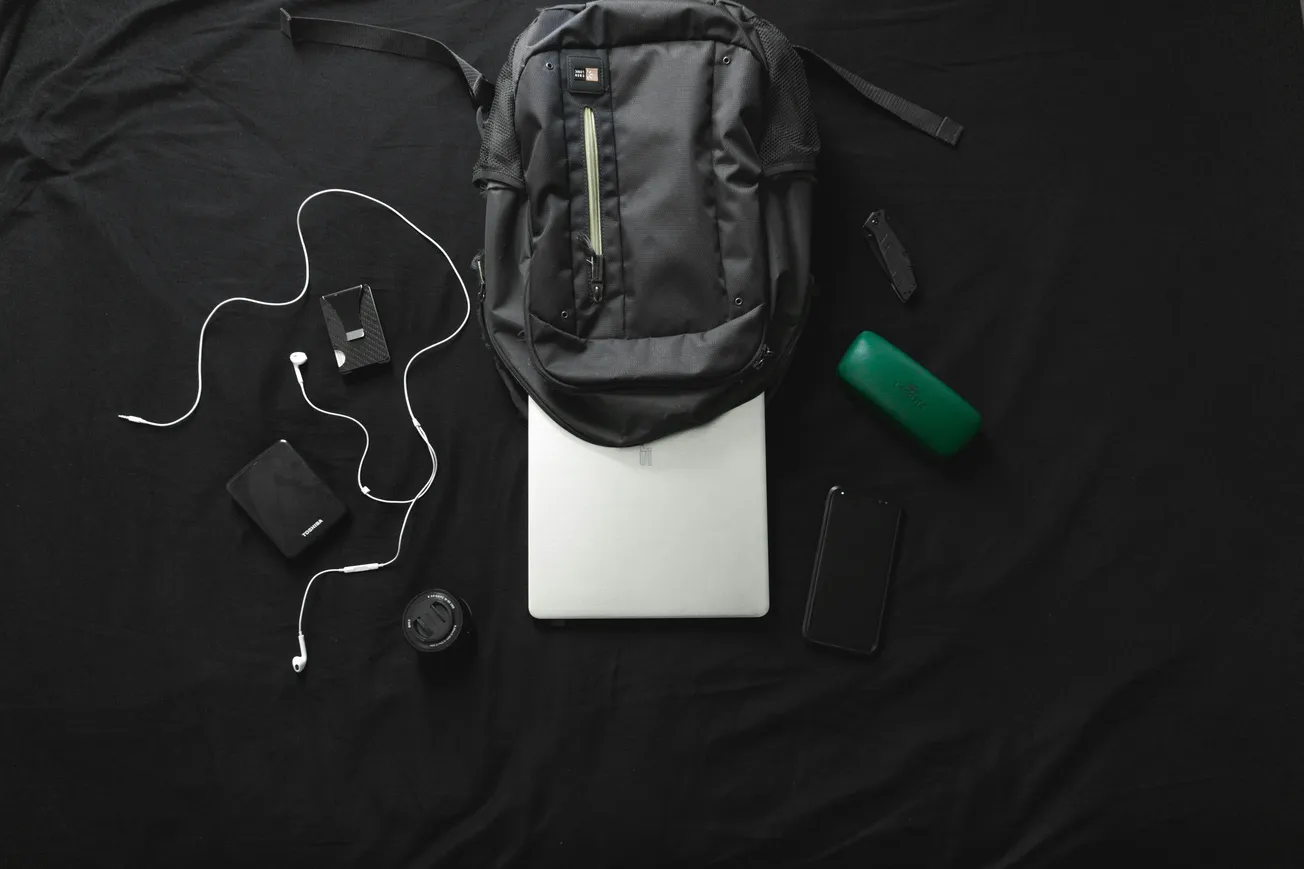
The era of being tethered to a soundproof studio is officially over. In 2026, the technology required to produce broadcast-quality audio and 4K video has shrunk to the size of a standard travel kit. For creators on the move, educators, and small business owners, the challenge has shifted from "How do I afford a studio?" to "How do I fit a studio in my backpack?"
Mastering this game of gear tetris is the key to capturing high-value content whenever inspiration strikes.
The primary goal of a mobile production suite is to eliminate the friction of setup. If a kit takes thirty minutes to assemble, the moment is often lost. Modern gear focuses on modularity and speed, allowing a coffee shop corner or a quiet park bench to transform into a professional set in under three minutes.
Micro-Mics: High Fidelity in Small Packages
The centerpiece of any mobile rig is the audio capture system. Wireless technology has reached a point where clip-on transmitters, such as the DJI Mic 3 or the Rode Wireless Micro, offer professional-grade preamps and onboard recording. These devices are roughly the size of a postage stamp and feature magnetic mounting, making them nearly invisible on camera while providing clear, intimate sound that cancels out environmental hum.
For those who prefer a traditional look without the bulk, the Shure MoveMic 88+ has become a staple for mobile journalists. It functions as a hybrid shotgun and lavalier system that connects directly to a smartphone via dedicated apps. This eliminates the need for bulky XLR cables and external interfaces, significantly reducing the "weight penalty" of a high-end audio setup.
Lighting and Stabilization: The Pocket Powerhouse
Video quality depends heavily on lighting and stability. Large softboxes have been replaced by ultra-thin, foldable LED panels like the Lume Cube Panel Pro 2.0 or the Mojogear Lumi series. These panels provide adjustable color temperatures and high CRI ratings, ensuring that skin tones look natural even in mixed-light environments like classrooms or office lobbies. Because they are roughly the thickness of a smartphone, they slide easily into the tablet sleeve of a messenger bag.
To keep the footage stable, smartphone rigs have evolved into "cages" that act as the skeleton for the entire studio. New models from SmallRig and ShiftCam provide multiple cold-shoe mounts for mics and lights, plus ergonomic grips that make a phone feel like a traditional cinema camera. Some 2026 rigs even include built-in cooling fans to prevent device overheating during long 4K recording sessions, a common pain point for creators working in the field.
Workflows for the Creator on the Move
Building a backpack studio is as much about the workflow as it is about the hardware. The most effective kits utilize "bus-powered" or battery-operated tools to avoid searching for power outlets. Integrating a high-capacity MagSafe battery pack or a slim power bank ensures the entire rig stays operational throughout the day.
For educators recording between classes or founders capturing "build in public" updates, the portability of these tools allows for a level of frequency and authenticity that a static studio cannot match. By keeping the gear light and accessible, creators can focus on the message rather than the machinery. To see how these tools fit into a larger content strategy, read our analysis on choosing mission over algorithms.
The backpack studio represents the ultimate democratization of media production. With a carefully curated selection of micro-mics and foldable lights, any location becomes a potential soundstage. This shift toward "pocket powerhouses" ensures that the only limit to high-quality storytelling is the creator's imagination, not their square footage.