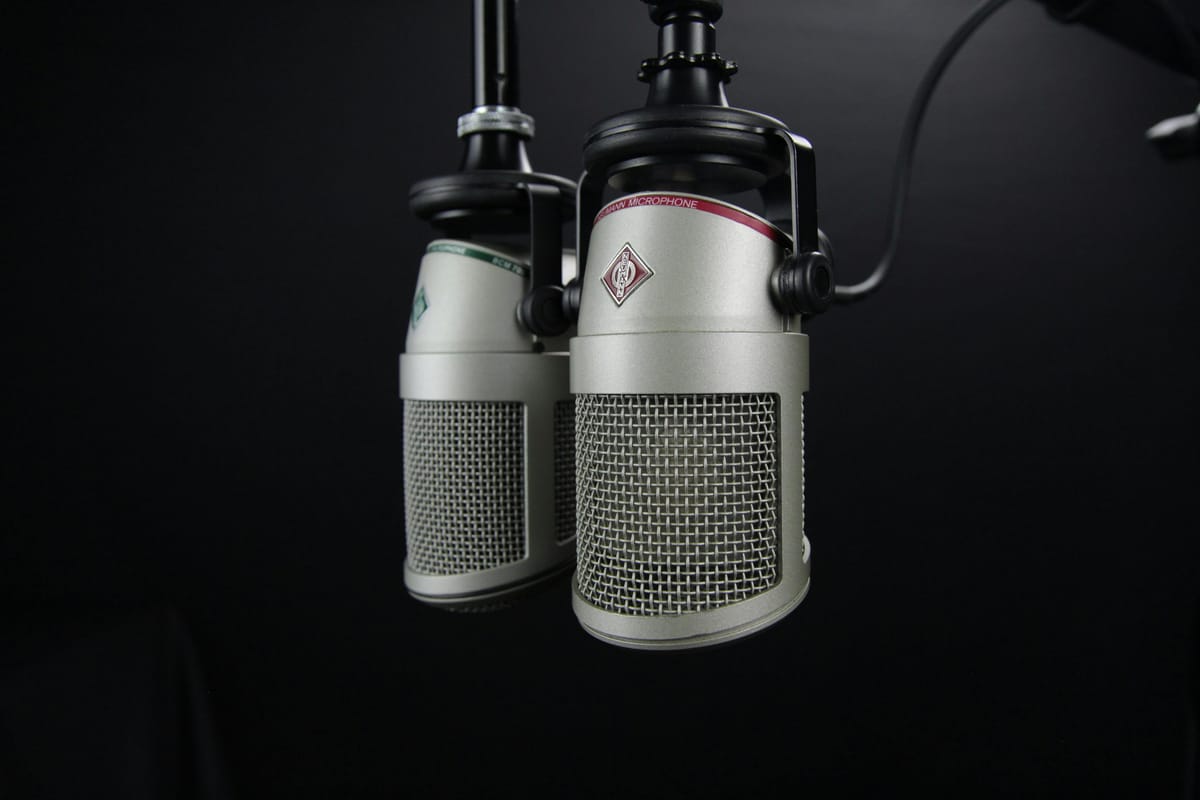


This video presents a focused comparison of the Audix OM3 against twelve other handheld microphones. Rather than offering a full product review, it centers on a specific performance scenario: close-mic positioning, where the microphone is held near the mouth—similar to typical stage use.
The goal is to demonstrate how each microphone performs in this setting.
Spoken Word Comparison
The comparison begins with the Audix OM3, followed by the Behringer XM8500, a budget microphone priced around $25. The OM3 is revisited between comparisons to provide a consistent reference point throughout the test. Next is the Shure SM58, a widely used $100 industry standard, followed by the Sennheiser E835, known for its bright tonal character. The SE Electronics V7, also priced at about $100, is then evaluated.
The sequence continues with the Audix OM2 (a more affordable model in the same line), the AKG D5 ($120), and the Shure Beta 58A (approximately $150). Higher-end models include the Mojave MA-2 ($180) and the Sennheiser E935 ($200). The final segment includes condenser microphones: the Earthworks SR117 ($200), the Shure Beta 87A ($260–$280), and the Neumann KMS105, which is positioned at the premium end of the range at around $730.
Plosive Rejection Test
This portion of the test assesses how well the microphones manage plosive sounds—particularly hard consonants like "p." Each mic is tested using the phrase "please provide pizza pronto" spoken directly into the grille, then repeated with the grille positioned approximately three inches away. These tests reveal each microphone’s ability to handle bursts of air, a critical factor in close-mic applications.
Handling Noise Test
To evaluate handling noise, the OM3 is tested for sensitivity to movement and touch noise. This simulates real-world scenarios such as live performances, where microphones are often repositioned during use.
Summary
This test provides a controlled comparison of the Audix OM3 with a range of dynamic and condenser handheld microphones, specifically in a close-mic context. Hearing them side by side offers valuable insight into their stage-use characteristics. A full review of the OM3 will follow in a future video.
More about microphones:
 Dan Craft
 Staff Report
 Staff Report