

When building a high‑fidelity audio setup, cables are often the most overlooked — yet also the most debated — component. High‑end cables promise improvements in clarity, noise reduction, and overall fidelity.
Understanding what separates top‑tier cables from budget ones requires a look at both their design and the physics behind signal transmission.
What Makes an Audio Cable “High‑End”
At the core of high‑end audio cables is their construction: conductor material (often high‑purity copper, silver‑plated copper, or other alloys), quality insulation, robust connectors, and careful geometry/geometry management.
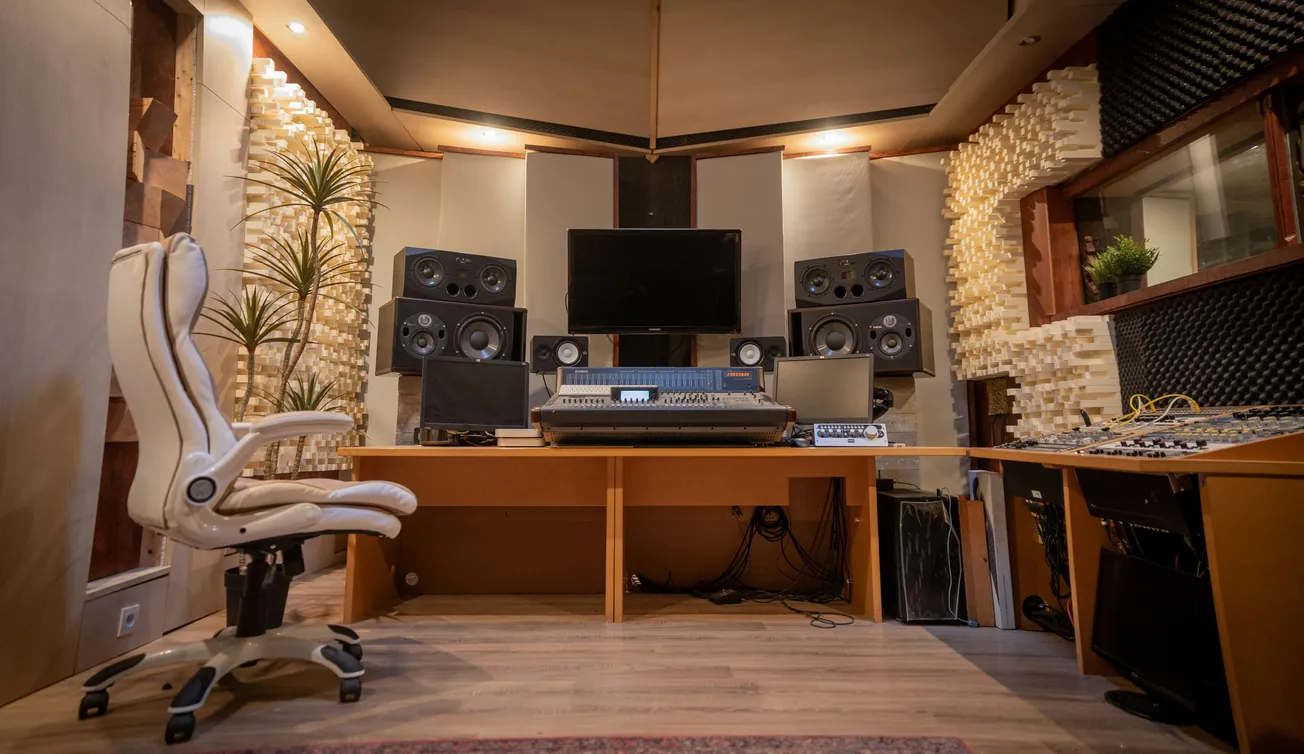
Shielding and cable design aim to minimize interference — electromagnetic (EMI), radio‑frequency (RFI), and noise from other electronics — which is especially important in dense, modern home‑theater setups or studio environments.
Cable gauge, length, and impedance also come into play: thinner, poorly shielded cables over long runs can introduce capacitance or resistance issues that may degrade high frequencies, blur detail, or reduce dynamic range.
The Potential Payoff — And When It Matters
In ideal conditions — high‑resolution audio sources, quality amplifiers or DACs, well‑matched speakers — premium cables may yield benefits: cleaner signal transmission, better-defined stereo imaging, lower noise floor, clearer high frequencies, and more dynamic sound.
Where cables matter most: long cable runs, studio setups, or systems sensitive to interference or grounding issues. Balanced cables (e.g. XLR, TRS) or well‑shielded interconnects often outperform standard unbalanced cables in rejecting noise, especially in complex or noisy environments.
The Limits and Skepticism
Scientific evaluations and double‑blind listening tests often conclude that for typical home audio setups — with decent gauge and well‑made “standard” cables — differences between ordinary and expensive cables may fall below human perceptible thresholds.
Critics argue that in many cases, spending heavily on cables may yield negligible audible improvement. The law of diminishing returns applies: after a certain threshold of quality, other components (speakers, room acoustics, amplifier, source material) dominate sound quality.
What to Consider Before Upgrading
- Evaluate whether your system is “good enough” to benefit — high‑end cables make more sense with high‑resolution gear, balanced wiring, or professional setups.
- Look for build quality, proper shielding, suitable conductor material (oxygen‑free copper or silver‑plated variants), and correct cable gauge/length.
- Avoid marketing hype — trust measurements (impedance, capacitance, shielding) and blind tests over glossy promos.
- Consider balanced or shielded cables for noise‑prone environments or long cable runs to maximize performance benefits.