
Understanding the Shift in Consumer Imaging Preferences
The landscape of video and photo equipment is constantly evolving, driven by the needs of social media creators, small businesses, and hobbyists. Amazon recently released its list of the top ten best-selling cameras, offering a unique window into the tools currently dominating the market. While high-end professional cinema cameras often capture the headlines, the actual purchasing habits of the broader public suggest a strong preference for versatility, portability, and specialized functionality.
For businesses looking to invest in new production gear, these trends provide valuable data on which systems are becoming the industry standards for accessible content creation.
The Dominance of Mirrorless Systems in Video Production
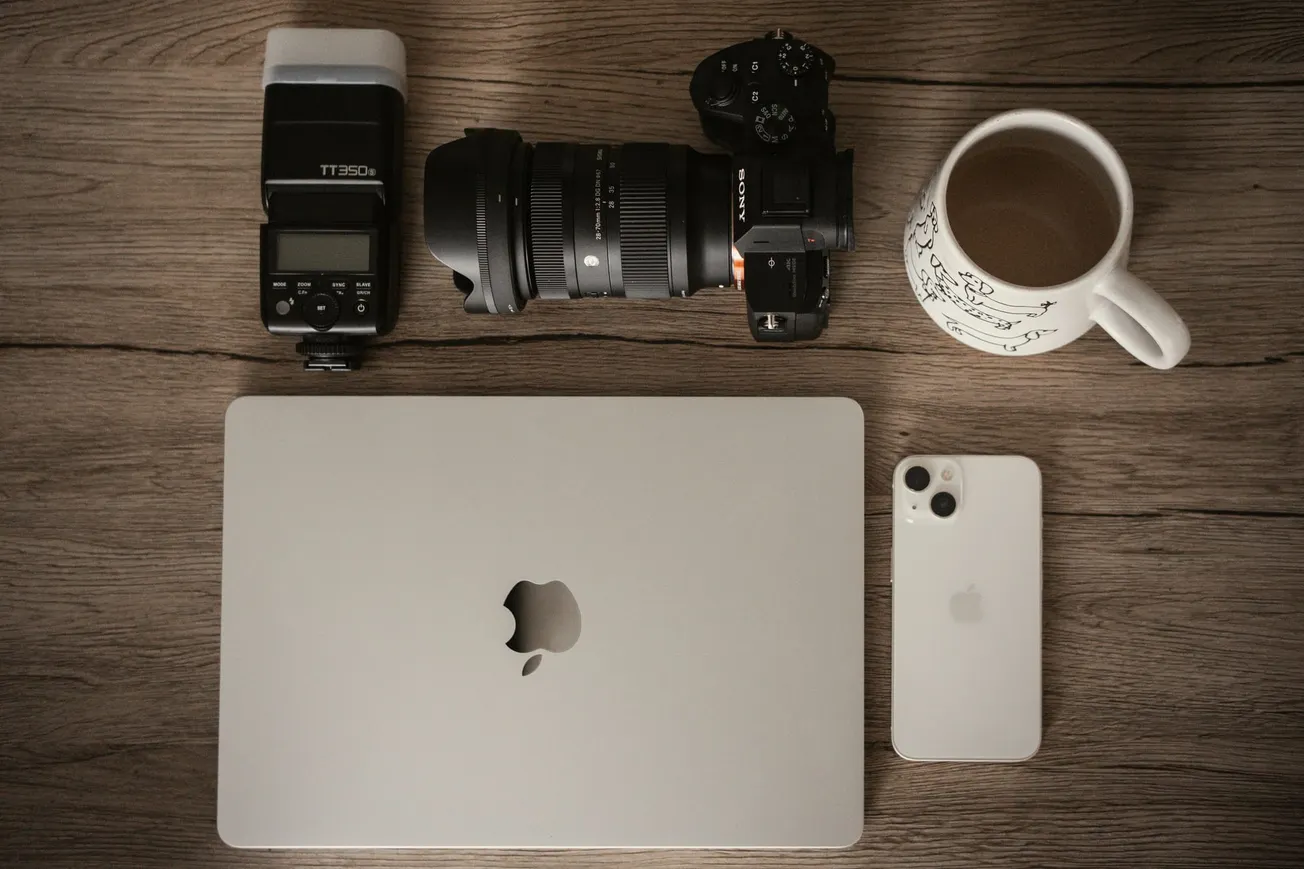
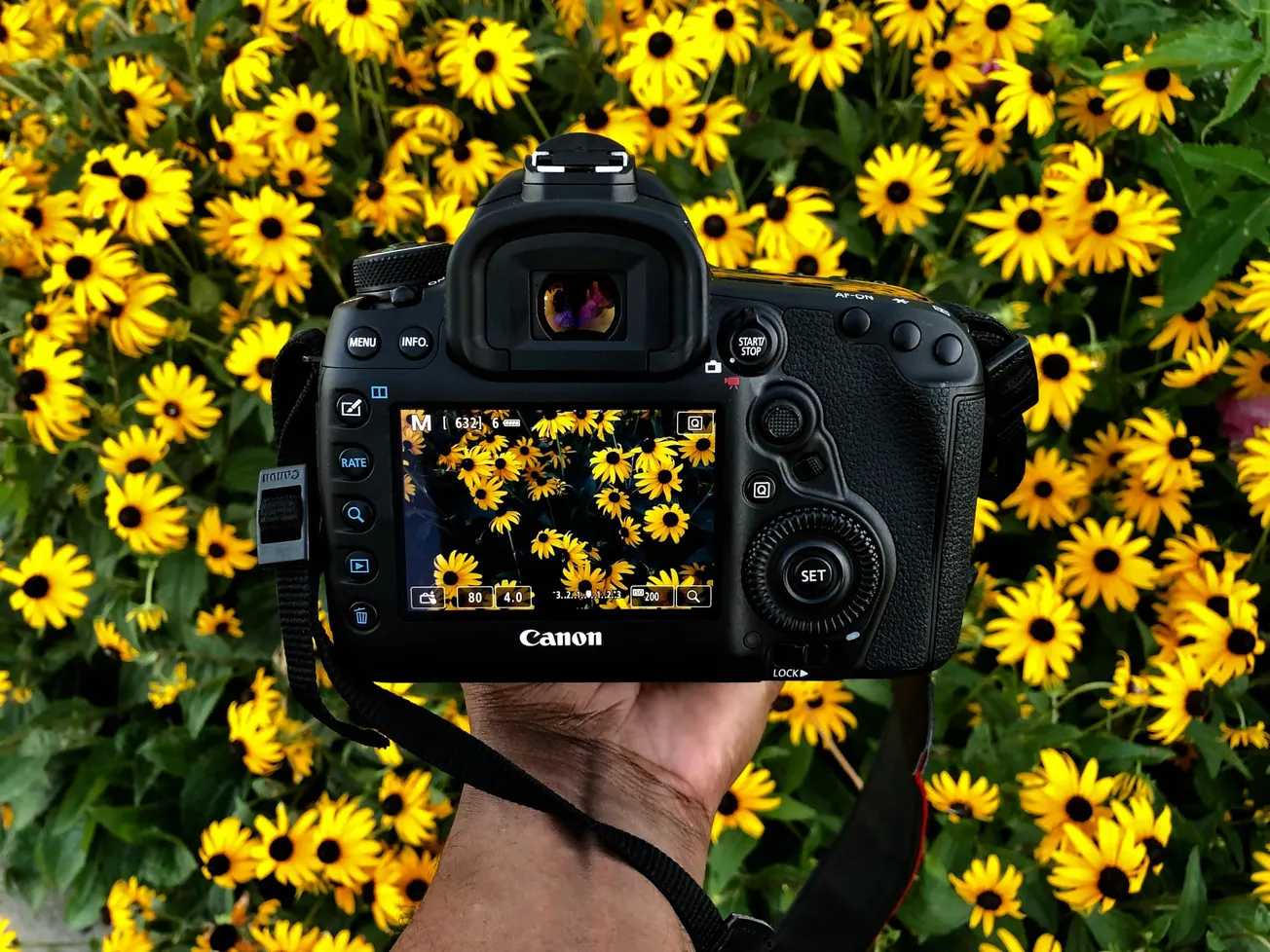
One of the most significant takeaways from the data is the continued dominance of mirrorless camera technology. Brands like Sony, Canon, and Fujifilm occupy multiple spots on the list, reflecting a shift away from traditional DSLRs.
Mirrorless cameras are particularly attractive to those producing video and podcasts because they offer advanced autofocus systems, compact form factors, and high-quality internal recording capabilities. For creators who need to move quickly between filming interviews and capturing b-roll, the reduced friction of a smaller, more intelligent camera system is a major operational advantage.
Specialized Tools for Vlogging and Social Media
The list also highlights the rise of cameras specifically engineered for the "creator economy." Devices such as the Sony ZV series are designed with features like flip-out screens, enhanced onboard microphones, and simplified interfaces tailored for those who may not have a background in traditional cinematography.
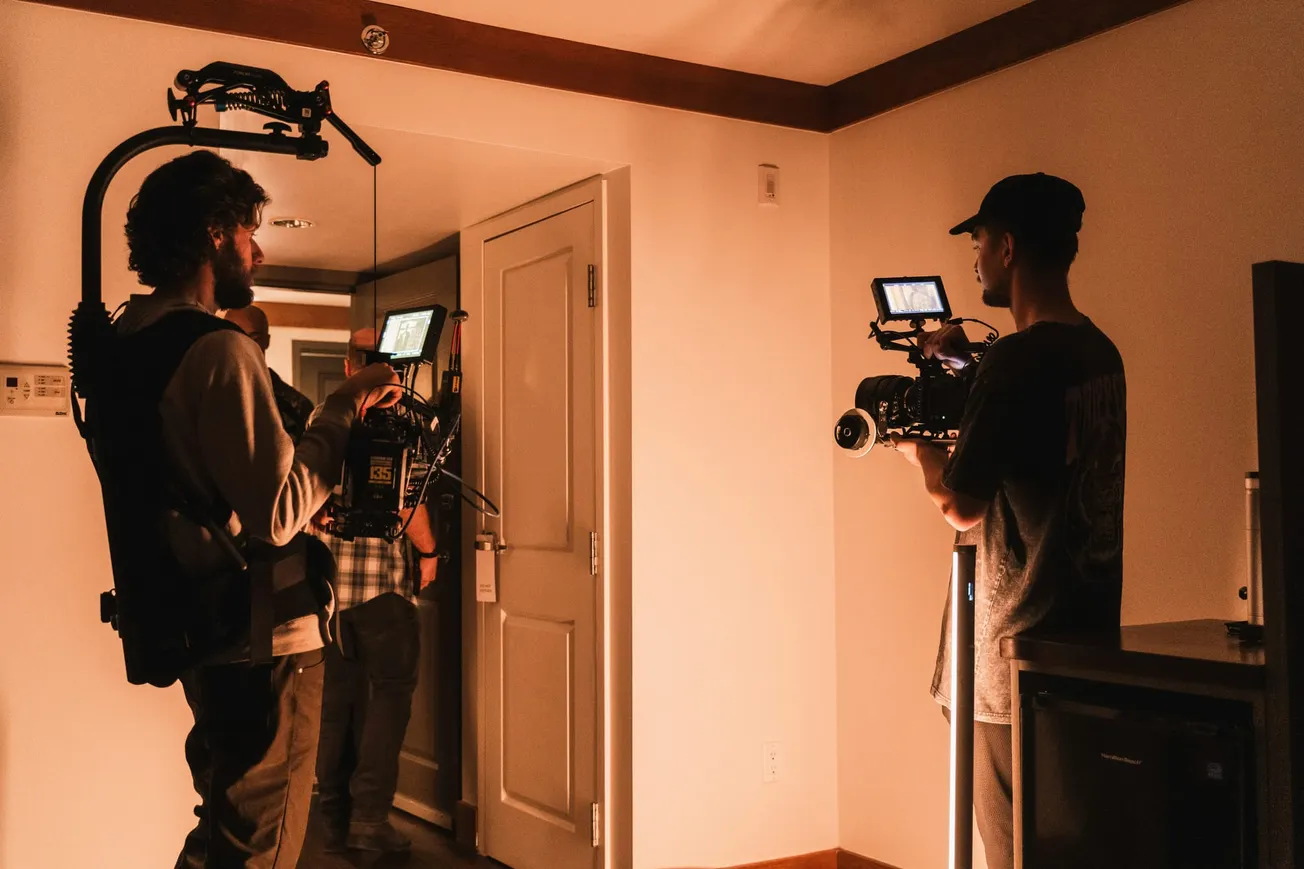
The popularity of these tools suggests that ease of use is becoming as important as raw image quality. For educators and marketing teams, these cameras represent an entry point into professional-looking video without the steep learning curve of complex manual cinema rigs.
The Surprising Longevity of Instant and Action Cameras
Perhaps the most unexpected entries in the top ten are the continued high sales of instant film cameras and rugged action cameras like the GoPro HERO series. While these may seem like niche products, their popularity points to a desire for specific aesthetic styles and durability.
Action cameras remain a staple for creators who need to record in challenging environments where a standard mirrorless camera might be at risk. Meanwhile, the success of instant cameras highlights a growing interest in physical media and "retro" aesthetics, which can be leveraged by brands to create a sense of authenticity and nostalgia in their marketing campaigns.
Budget-Friendly Options and Brand Loyalty
The presence of entry-level models from established brands indicates that price remains a significant factor for those entering the media landscape. Many of the best-selling units are older models that have seen price reductions, making them attractive to beginners or businesses on a tight budget.
This allows new creators to build authority by producing high-definition content without a massive initial capital investment. Furthermore, once a creator invests in a specific lens mount or ecosystem, they are more likely to remain loyal to that brand as they scale their production capabilities and upgrade their equipment.
Strategic Considerations for Future Equipment Investments
For businesses and content teams, analyzing these sales trends is a practical way to ensure that their equipment choices align with the broader market.
Choosing a popular camera system often means better access to third-party accessories, more available tutorials, and a higher resale value. As video continues to be a primary tool for communication and brand storytelling, selecting the right hardware is essential for maintaining a professional image.