
The rapid evolution of artificial intelligence has put the spotlight on generative AI, making headlines and sparking debate. But is generative AI just the latest buzzword or is there a fundamental shift in how machines are transforming creativity? Understanding the distinction between traditional AI and generative AI is now more important than ever.
Understanding The Differences: AI vs Generative AI
Traditional AI refers to a broad range of systems that analyze information, recognize patterns, and make decisions. This category includes everything from recommendation engines that suggest your next movie to navigation tools optimizing your driving route. Their core function is to interpret existing data and make predictions or classifications.
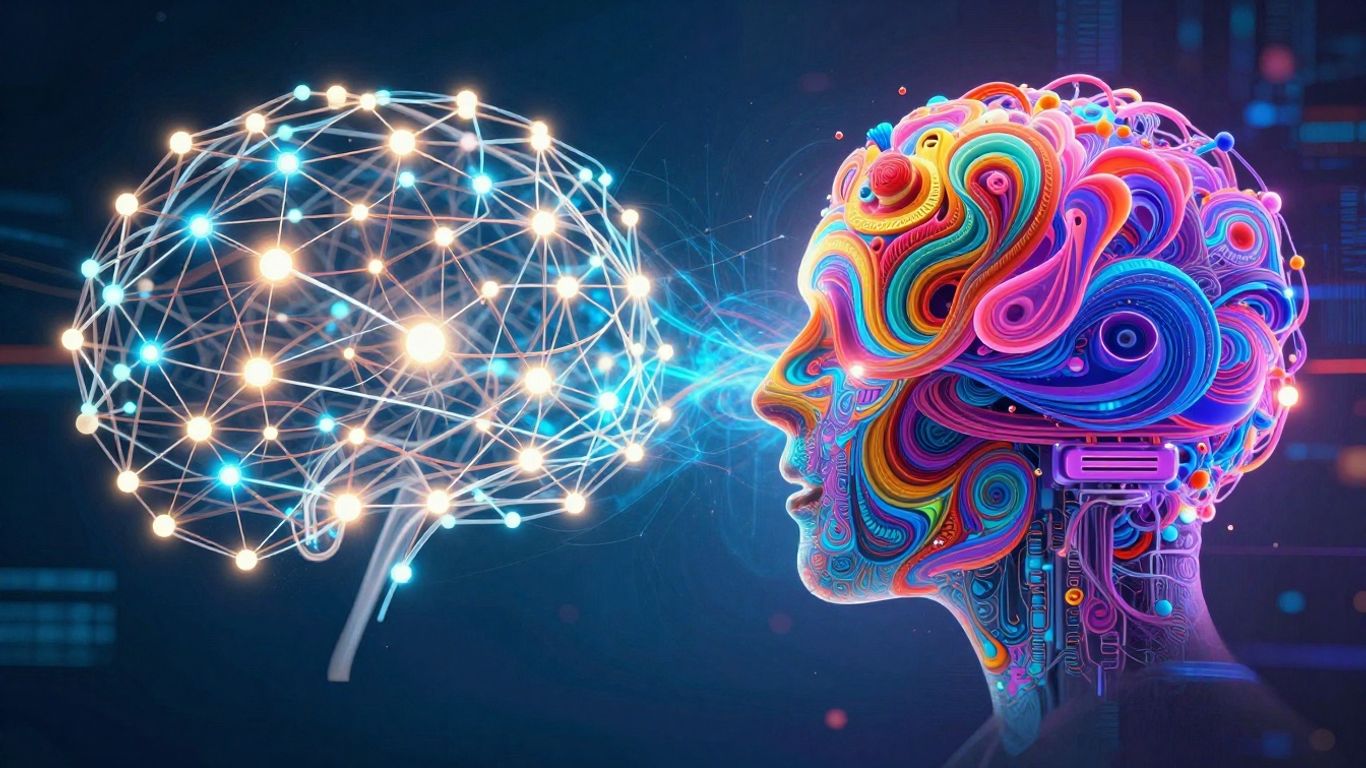
Generative AI, however, steps into new territory. These systems are designed to generate entirely original outputs—be it writing a story, creating artwork, or synthesizing speech. They learn from massive datasets, internalize patterns, and then use this knowledge to produce fresh content that didn’t exist before.
A Brief History: From Prediction To Creation
AI started as research into machines that could mimic human reasoning and make data-driven decisions. The 1950s through early 2000s saw an explosion in machine learning and pattern recognition, laying the groundwork for what we know as traditional AI.
The turning point came in the mid-2010s with breakthroughs in neural networks, leading to the rise of generative models. Tools like GANs (Generative Adversarial Networks) and transformers now enable machines to write articles, compose music, or paint digital portraits. The mainstream adoption of generative AI began only recently, powered by huge leaps in computing and data availability.
Why This Difference Matters
While both forms share algorithms and technological roots, their impacts differ greatly. Traditional AI boosts efficiency and automates routine decisions, while generative AI unlocks creative potential and new forms of content production. As generative models become more advanced, we’re witnessing an increasing overlap—some AI systems now both generate and act autonomously, merging the frontier between creativity and decision-making.
Understanding these differences helps businesses and individuals select the right AI solutions and prepares us for a future where artificial intelligence isn’t just about analysis, but about imagination and creation, too.
More about AI:
 Staff Report
 Staff Report
 Staff Report