
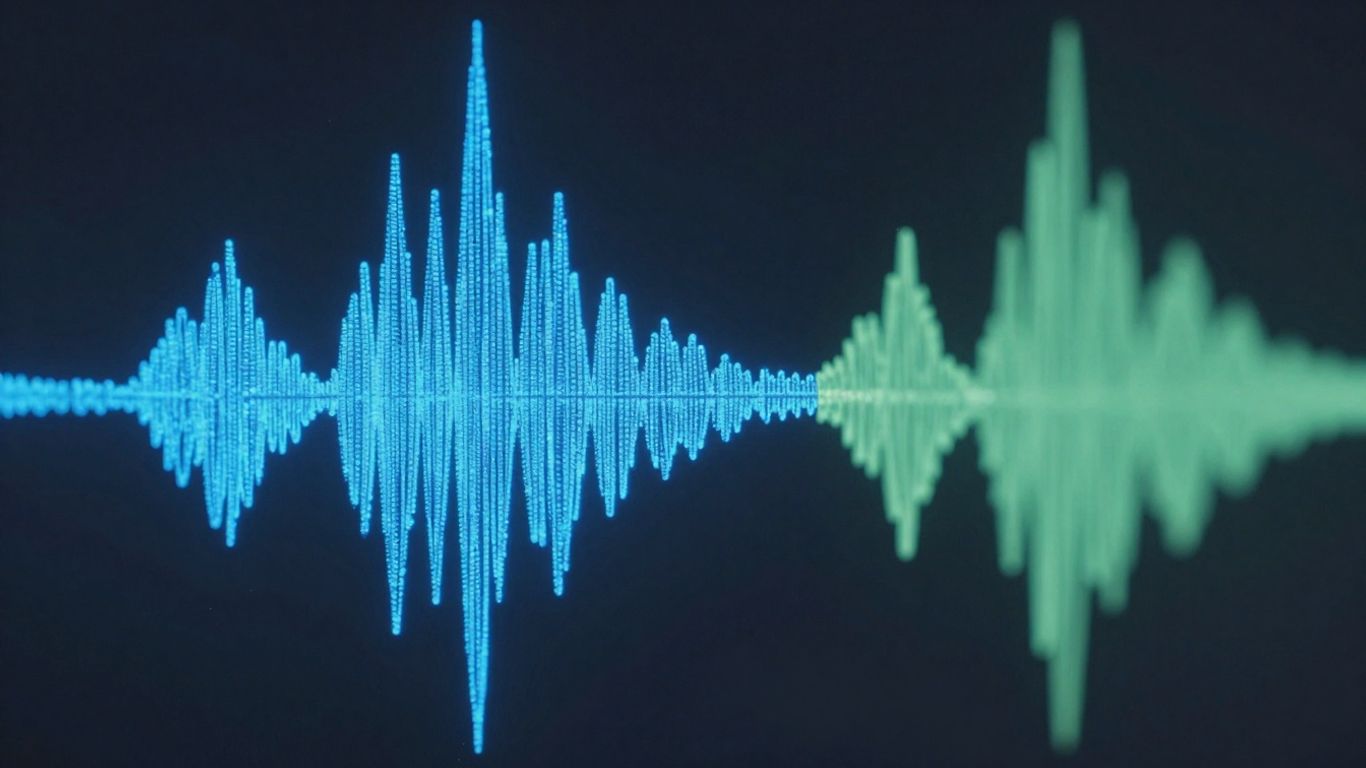
There's ongoing discussion in the audio production world about whether 32-bit float recording offers meaningful advantages over 24-bit linear audio, especially when recording dialogue. The key question: does 32-bit float make a noticeable difference in real-world use?
Some audio professionals claim that 32-bit float allows for better recovery of clipped or quiet audio during post-production. To explore this, tests were conducted using recordings with both steady background noise (such as a fan) and non-steady interruptions (like a ringtone), followed by cleanup using noise reduction tools like iZotope RX.
In these comparisons, both 32-bit float and 24-bit recordings responded well to processing, with no significant quality differences noted in the final result.
What Happens Inside 32-Bit Float Systems?
A common concern with 32-bit float systems is whether artifacts might occur when a device transitions between different internal gain stages during recording. This behavior can be measured in devices such as budget-friendly audio interfaces or field recorders—like certain Zoom models priced in the $200–$300 range.
Tests on such devices have confirmed that this switching is detectable in waveforms under analysis. However, the resulting differences are extremely minor—virtually undetectable without specialized equipment and not perceivable during normal playback.
Final Thoughts
Overall, both field testing and third-party analysis suggest that while 32-bit float offers theoretical advantages in dynamic range and headroom, these benefits may not translate to major perceptual gains for dialogue or speech editing.
Users working with high-quality 24-bit gear and careful recording levels are unlikely to notice a difference in most post-production scenarios.
More about audio:
 Staff Report
 Staff Report
 Staff Report