Influencer marketing continues to surge into 2026, with the industry now valued at over $24 billion globally. From micro-creators to live shopping hosts, influencers have become essential partners for brand discovery and digital sales. Here are the top trends shaping influencer marketing in 2026:
1. Social Commerce Leads Sales
Influencers are no longer just content creators — they’re storefronts. Platforms like TikTok, Instagram, and YouTube now offer seamless shopping through shoppable links, in-video checkout, and creator-branded storefronts. Social commerce drives a growing share of Gen Z and Gen Alpha purchases.
2. Live Shopping Becomes a Must-Have
Livestream commerce is mainstream. With real-time engagement, product demos, and timed promotions, live shopping builds urgency and trust. Influencers lead the charge, combining entertainment and product insight to convert viewers into buyers.
3. Micro & Nano Influencers Outperform Celebs
Brands are shifting to smaller creators — those with niche followings and stronger engagement. Micro- and nano-influencers often deliver better ROI than celebrities due to their relatability and focused communities.
4. Short-Form Video Remains King
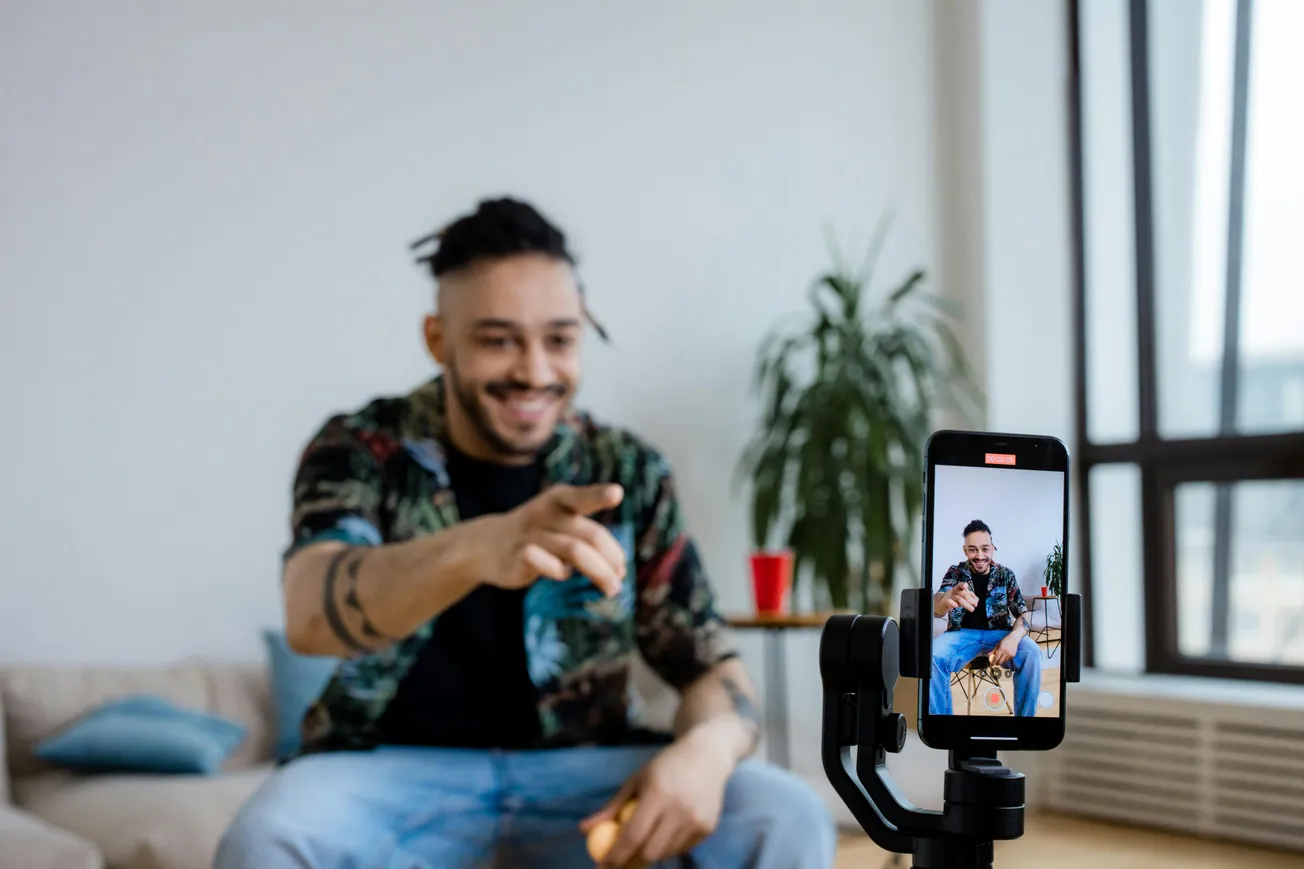
From TikTok to Reels to Shorts, brief videos are still the most engaging format. Quick, eye-catching content — often 15 to 30 seconds — is ideal for tutorials, product reveals, and trend-driven storytelling.
5. Authenticity and Trust Are the New Metrics
Audiences now see through overproduced posts. They respond best to influencers who genuinely use and believe in what they promote. Brands in 2026 prioritize long-term relationships, honest reviews, and clear disclosures.
The influencer space is more performance-driven than ever. As commerce, content, and community continue to converge, brands must prioritize credibility, creator relationships, and adaptable video-first strategies to stay ahead.